Are Commercial Garage Doors Different from Residential Doors?
If you’ve ever looked at a warehouse, factory, or retail store and then compared it to a home garage, you might have noticed the doors look very different. That naturally raises an important question: are commercial garage doors different from residential doors?
The short answer is yes—but the differences go far beyond appearance. Commercial and residential garage doors are built for very different purposes, usage levels, and safety requirements. Understanding these differences can help homeowners, beginners, and even professionals make smarter decisions when choosing or upgrading a garage door.
In this article, we’ll break down the key differences between commercial garage doors vs residential doors in a simple, easy-to-understand way.
Understanding the Basic Purpose
The biggest difference starts with how these doors are used.
Residential Garage Doors
Residential garage doors are designed for homes. They usually open and close a few times a day and are built with comfort, appearance, and convenience in mind. Most residential doors are meant to protect vehicles, provide security, and complement the home’s overall design.
Commercial Garage Doors
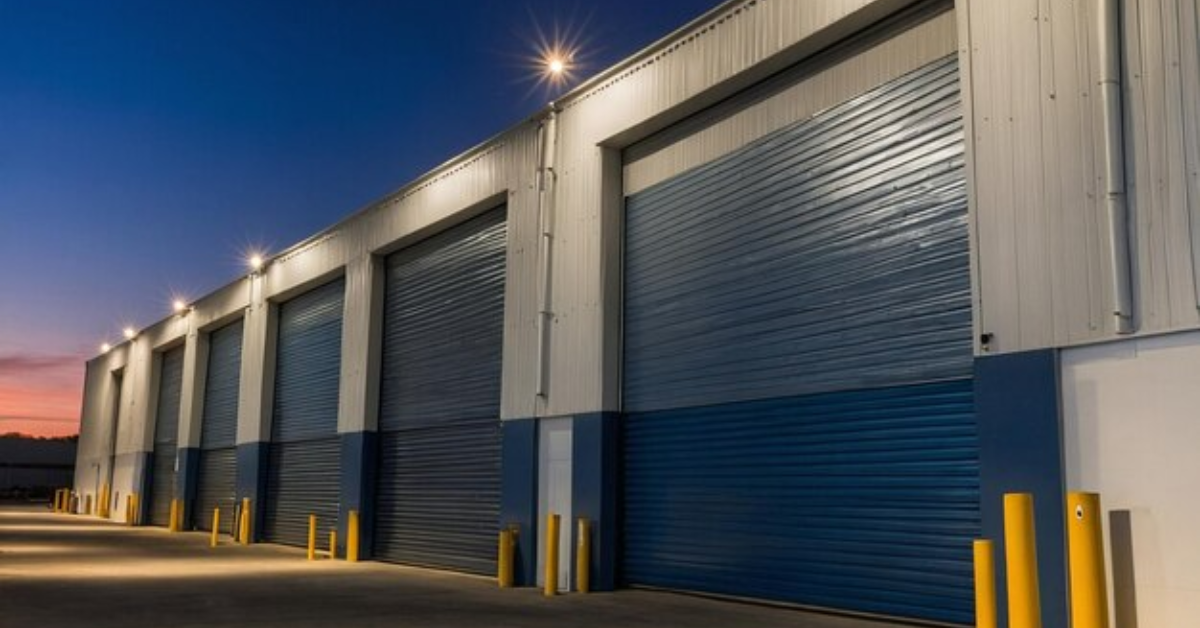
Commercial garage doors are built for heavy-duty use. They are commonly found in warehouses, auto shops, fire stations, storage facilities, and retail buildings. These doors may open and close dozens—or even hundreds—of times a day, which means durability is a top priority.
This difference in purpose drives nearly every other distinction between commercial garage doors vs residential doors.
Design and Appearance Differences
One of the first things people notice is how different these doors look.
Residential Design Focus: Residential garage doors often feature decorative panels, windows, woodgrain textures, and various color options. Homeowners usually want the garage door to match the style of their house, whether it’s modern, traditional, or rustic.
Commercial Design Focus: Commercial garage doors prioritize function over style. Most have a simple, industrial appearance with clean lines and minimal decoration. The goal is efficiency, not curb appeal.
That said, some modern commercial spaces now use glass or aluminum doors to maintain a sleek, professional look.
Materials and Construction Strength
Another major difference between commercial garage doors vs residential doors lies in how they are built.
Residential Garage Door Materials
Residential doors are often made from:
- Steel
- Aluminum
- Wood
- Composite materials
These materials are strong enough for daily household use but are not designed for constant heavy operation.
Commercial Garage Door Materials
Commercial garage doors are usually constructed from reinforced steel or heavy-duty aluminum. Many models include thicker panels, stronger tracks, and industrial-grade hardware. This allows them to withstand frequent use, harsh environments, and larger door sizes.
Size and Weight Variations
Size is another clear difference.
Residential Door Sizes: Residential garage doors are fairly standardized. Most are sized to fit one or two cars, with limited height and width options.
Commercial Door Sizes: Commercial garage doors can be much larger. They may need to accommodate delivery trucks, forklifts, or large equipment. As a result, they are heavier and require stronger support systems.
Because of their size and weight, commercial doors often need specialized installation and maintenance.
Usage Frequency and Performance
How often a door is used plays a huge role in its design.
Residential Usage: A typical home garage door might open three to five times a day. Residential openers and springs are built for this level of activity.
Commercial Usage: Commercial garage doors are designed for high-cycle performance. In busy environments, these doors may operate continuously throughout the day. Springs, motors, and tracks are engineered to handle this constant motion without wearing out quickly.
This is one of the most important functional differences between commercial garage doors vs residential doors.
Opener Systems and Automation
The door opener is another area where differences are obvious.
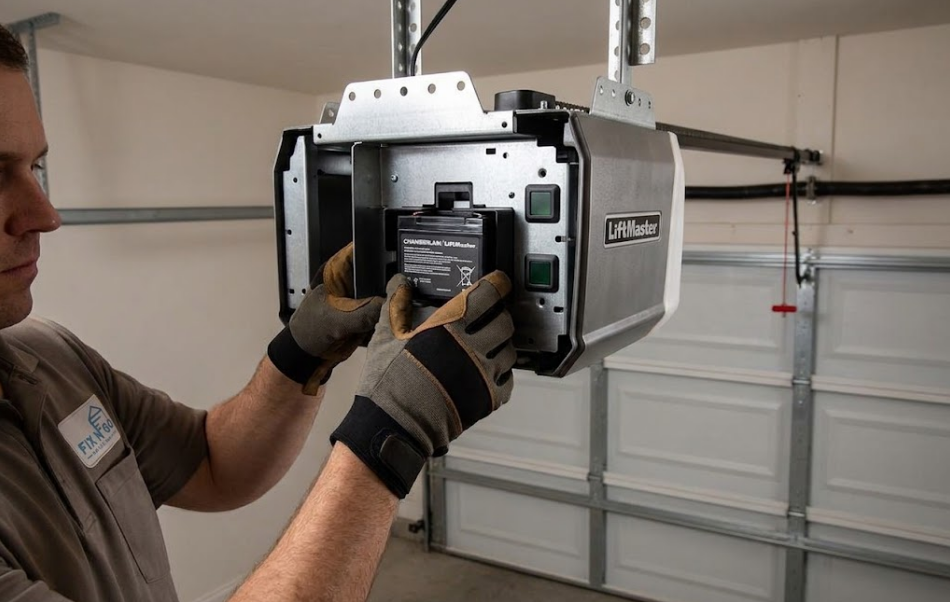
Residential Openers: Residential garage door openers are usually smaller and quieter. They focus on convenience features like remote controls, smartphone apps, and quiet operation.
Commercial Openers: Commercial openers are more powerful and built for heavy lifting. They often include advanced safety systems, wall-mounted controls, and integration with building security systems.
Noise reduction is usually less important in commercial settings, while reliability and strength are essential.
Safety and Security Features
Safety is critical for both types, but the requirements differ.
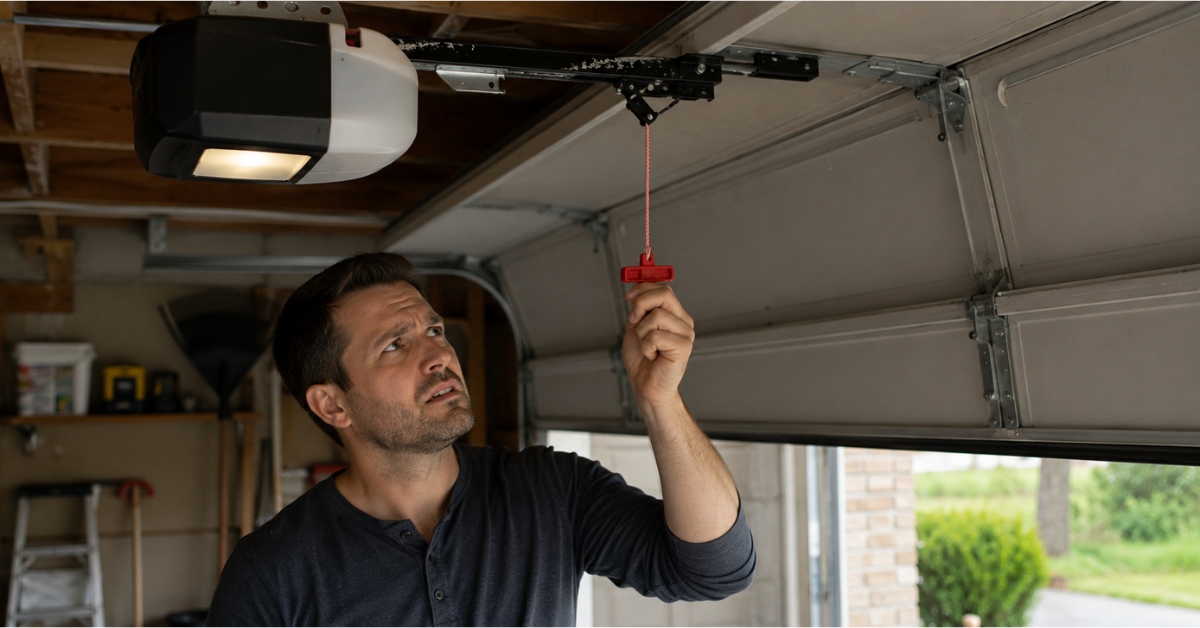
Residential Safety Features: Residential doors include safety sensors, auto-reverse mechanisms, and manual release systems. These features help protect families, pets, and vehicles.
Commercial Safety Features: Commercial garage doors often include additional safety systems such as motion sensors, warning lights, and advanced access controls. Security is a bigger concern because commercial properties may store valuable inventory or equipment.
Cost Differences
Cost is another key factor when comparing commercial garage doors vs residential doors.
Residential Garage Door Costs: Residential doors are generally more affordable. Pricing depends on materials, insulation, and design, but they are designed to fit typical household budgets.
Commercial Garage Door Costs: Commercial garage doors are more expensive due to their size, materials, and heavy-duty components. Installation and maintenance costs are also higher, but they are built to last longer under demanding conditions.
Maintenance and Repairs
Maintenance needs vary significantly between the two.
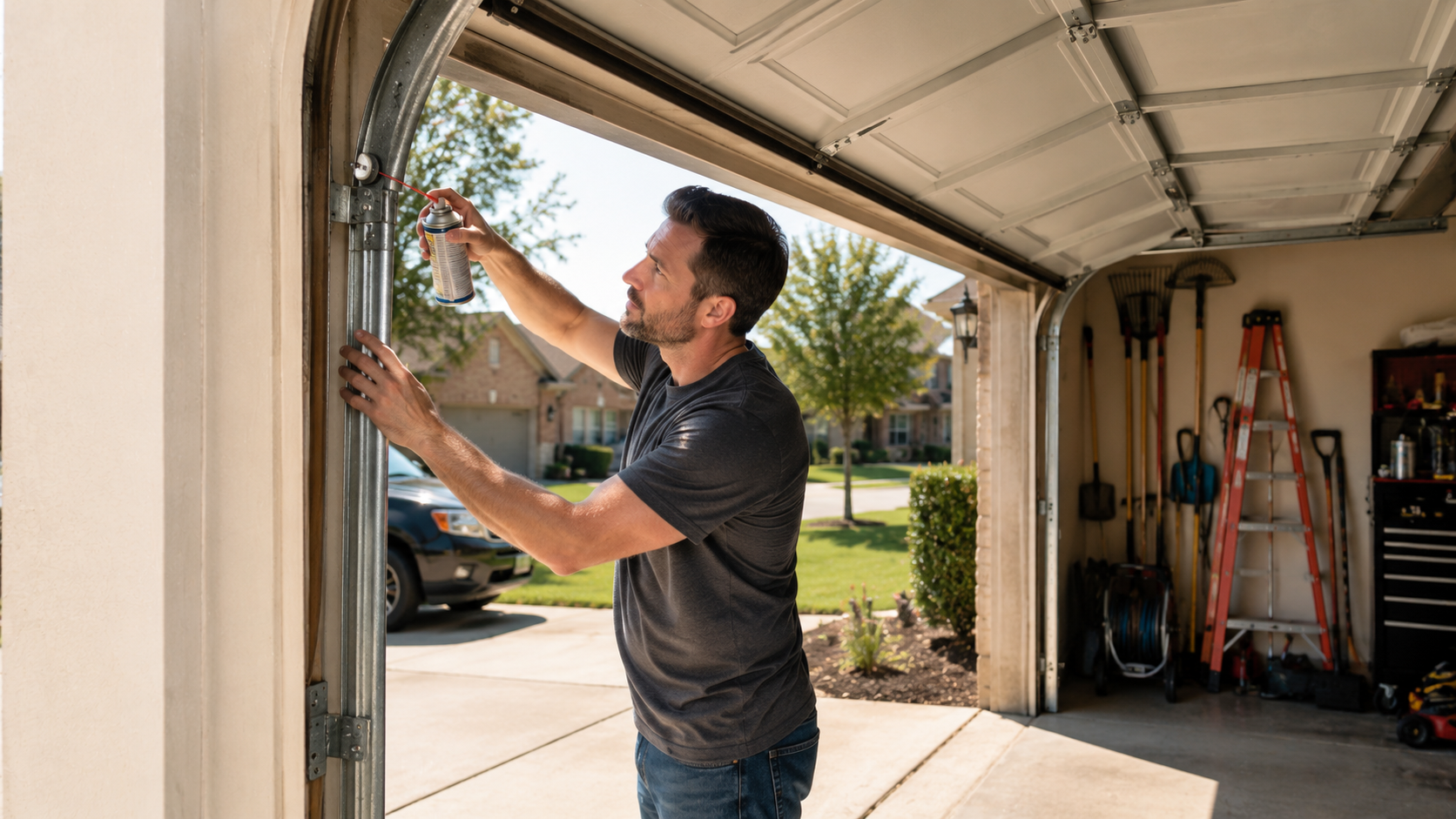
Residential Maintenance: Residential garage doors usually need basic maintenance such as lubrication, sensor checks, and occasional part replacement.
Commercial Maintenance: Commercial garage doors require regular professional inspections. Because they are used more frequently, parts wear out faster and need timely replacement to avoid downtime.
Which One Is Right for You?
Choosing between the two depends on where and how the door will be used.
- Homeowners almost always need residential garage doors
- Businesses, warehouses, and industrial spaces require commercial garage doors
Installing the wrong type can lead to higher repair costs, safety risks, and poor performance.
Conclusion
So, are commercial garage doors different from residential doors? Absolutely. While they may look similar at first glance, they are designed for completely different purposes.
Residential garage doors focus on style, comfort, and moderate daily use. Commercial garage doors prioritize strength, durability, security, and high-frequency operation. Understanding these differences helps you make an informed decision and ensures your garage door performs reliably for years to come.
Whether you’re a homeowner, beginner, or professional, choosing the right type of garage door is an investment in safety, efficiency, and long-term value.
Frequently Asked Questions (FAQ)
Q: Can a commercial garage door be used in a home?
A: In most cases, no. Commercial doors are heavier, more expensive, and may not be compatible with residential structures or openers.
Q: Are commercial garage doors more durable?
A: Yes. They are built with stronger materials and components to handle frequent, heavy use.
Q: Do commercial garage doors require special installation?
A: Yes. Due to their size and weight, professional installation by experienced technicians is essential.
Q: Why are commercial garage doors more expensive?
A: They use industrial-grade materials, stronger hardware, and more powerful opener systems, which increases cost.
Q: How long do residential and commercial garage doors last?
A: Residential doors can last 15–30 years with proper care, while commercial doors often last longer when maintained regularly despite heavier use.
You might also like
Fix N Go Blog