How Long Do Commercial Garage Doors Last?
If you own or manage a commercial property, your garage door is one of the hardest-working components of the building. From warehouses and auto shops to loading docks and retail facilities, commercial garage doors open and close dozens—sometimes hundreds—of times each day. That leads many business owners to ask an important question: how long do commercial garage doors last?
The short answer is that commercial garage doors are built to last longer than residential doors, but their actual lifespan depends on several factors. Usage frequency, door type, maintenance habits, and operating conditions all play a major role. In this guide, we’ll break down realistic lifespan expectations, explain what shortens or extends door life, and help you understand when repair or replacement makes more sense.
Average Lifespan of Commercial Garage Doors
On average, commercial garage doors last between 15 and 30 years. However, that range can vary widely depending on how the door is used and maintained.
A door in a low-traffic storage facility may last well over 25 years, while a door at a busy loading dock could require replacement in 10–15 years. When discussing how long commercial garage doors last, usage intensity matters just as much as age.
Why Commercial Garage Doors Last Longer Than Residential Doors
Commercial garage doors are designed for durability. They use heavier materials, stronger springs, reinforced tracks, and high-cycle hardware built to handle frequent operation.
While residential doors may be rated for a few thousand cycles, commercial doors often use high-cycle components designed for tens of thousands of openings and closings. This design difference explains why commercial doors generally last longer—when properly maintained.
Types of Commercial Garage Doors and Their Lifespan
Sectional Commercial Garage Doors
Sectional doors are common in warehouses and service facilities. They typically last 20–30 years, depending on use and maintenance. These doors offer insulation options and are well suited for temperature-controlled spaces.
Rolling Steel and Roll-Up Doors
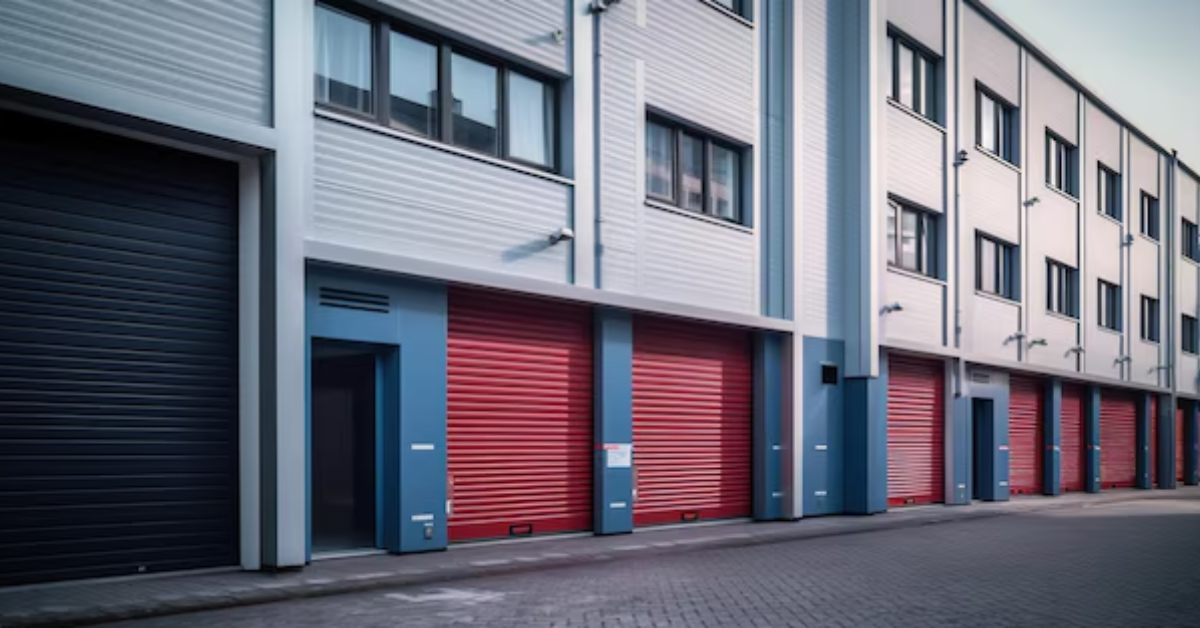
Rolling steel doors are known for strength and compact design. They often last 20–25 years and are ideal for high-traffic environments. Their lifespan depends heavily on spring quality and lubrication.
High-Speed Commercial Doors
High-speed doors open and close rapidly to improve efficiency. While extremely durable, they experience heavy daily use and usually last 10–15 years before major refurbishment or replacement.
Fire-Rated and Specialty Doors
Fire-rated and specialty doors are built for safety and compliance. With proper maintenance, they can last 20+ years, though regular inspections are critical.
What Factors Affect How Long Commercial Garage Doors Last?
Frequency of Use: The more a door cycles each day, the faster its components wear. A door used 5 times daily will last much longer than one used 100 times daily. Cycle count is one of the biggest factors in determining how long commercial garage doors last.
Quality of Installation: Improper installation causes uneven wear, misalignment, and early failure. A professionally installed door operates smoothly and places less strain on parts.
Maintenance Practices: Routine maintenance significantly extends lifespan. Doors that receive regular inspections, lubrication, and adjustments last far longer than neglected systems. Skipping maintenance is one of the fastest ways to shorten door life.
Environmental Conditions: Moisture, temperature swings, dust, and corrosive environments accelerate wear. Facilities near coastal areas or industrial zones may see reduced lifespan without extra protection.
Components That Wear Out First
Even when the door itself lasts decades, certain parts wear out sooner.
- Springs: Commercial springs may last 7–15 years, depending on cycle rating and usage.
- Rollers and Hinges: These parts wear gradually and usually need replacement multiple times during the door’s life.
- Cables and Bearings: Cables and bearings experience constant tension and require periodic replacement for safe operation.
Replacing these components on time helps the door last longer overall.
Signs a Commercial Garage Door Is Near the End of Its Life
Knowing when replacement is approaching prevents downtime and safety risks.
Common warning signs include:
- Frequent breakdowns
- Excessive noise or vibration
- Slow or uneven operation
- Visible structural damage
- Rising repair costs
When these issues become frequent, the question shifts from how long do commercial garage doors last to whether replacement is more cost-effective.
Repair vs Replacement: Making the Right Decision
Minor component failures are normal and repairable. However, repeated repairs on an aging door often cost more than replacement over time.
Replacement is usually the better option when:
- Repairs are frequent
- Safety standards have changed
- Insulation needs have increased
- Downtime affects business operations
A newer door often improves efficiency and reduces long-term costs.
How Maintenance Extends Commercial Garage Door Lifespan
Regular maintenance can add years to a door’s life.
Professional service typically includes:
- Spring and cable inspection
- Track alignment checks
- Hardware tightening
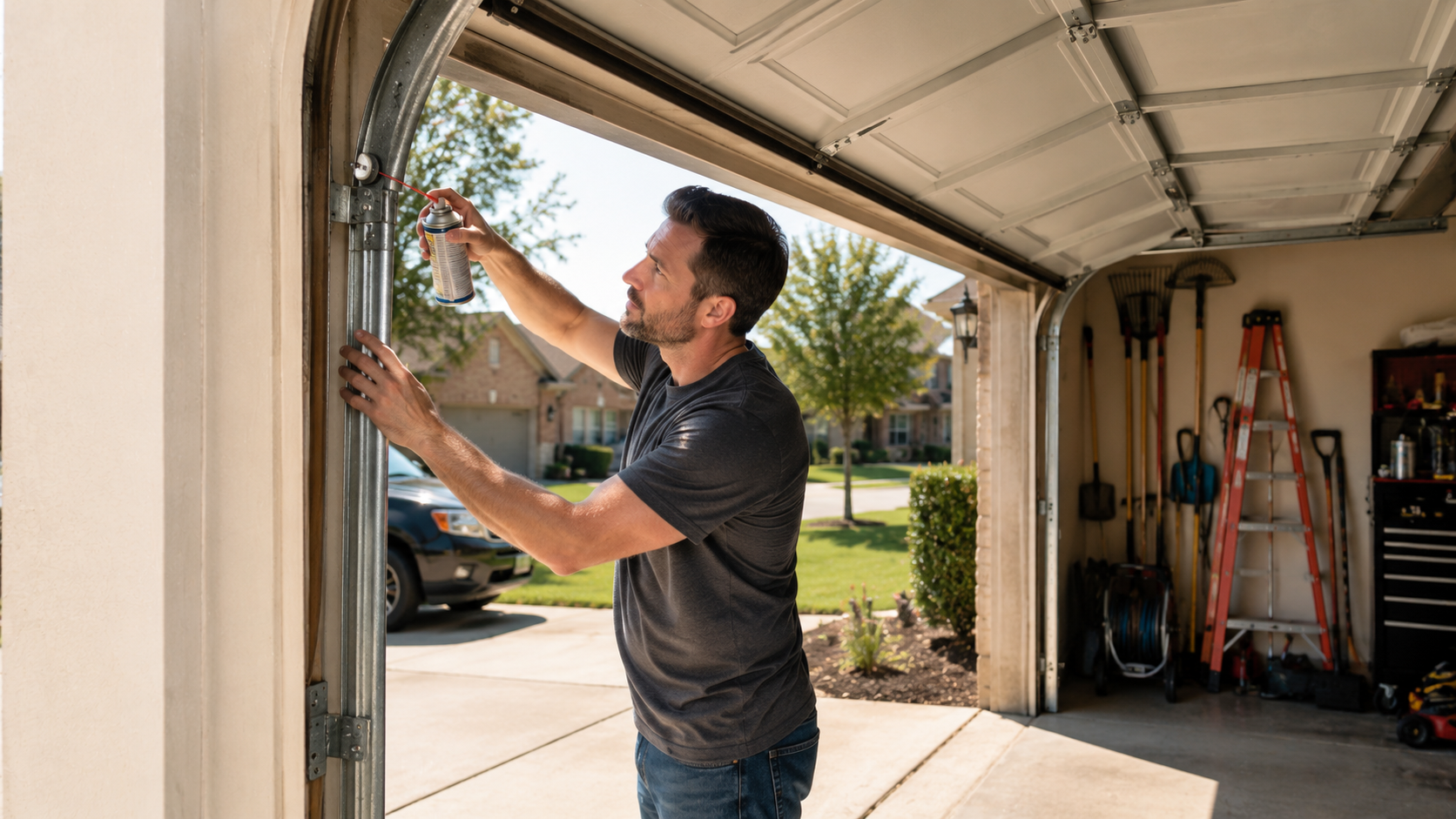
- Lubrication of moving parts
- Safety system testing
Facilities that follow a scheduled maintenance plan often maximize how long commercial garage doors last.
Energy Efficiency and Door Longevity
Insulated commercial garage doors reduce temperature stress on components. Stable internal temperatures prevent metal expansion and contraction, which extends part life. Energy efficiency upgrades often improve both performance and lifespan.
How Long Do Commercial Garage Doors Last in High-Traffic Facilities?
In high-traffic environments, doors may reach the end of their service life sooner. However, high-cycle hardware and proactive maintenance can still deliver 10–20 years of reliable use. Choosing the right door type for traffic level is critical.
Planning for Replacement Before Failure
Waiting for a complete failure can disrupt operations and increase costs. Planning replacement before the door fails allows businesses to schedule downtime and avoid emergency expenses. Understanding how long commercial garage doors last helps with long-term budgeting and facility planning.
Frequently Asked Questions (FAQ)
Q: What shortens the lifespan of a commercial garage door?
A: Heavy daily use, poor maintenance, harsh environments, and improper installation.
Q: Can commercial garage doors last longer with maintenance?
A: Yes. Regular professional maintenance significantly extends door lifespan.
Q: When should a commercial garage door be replaced?
A: When repairs become frequent, safety is compromised, or downtime impacts business operations.
Q: Are commercial garage doors more durable than residential ones?
A: Yes. They are built with heavier materials and high-cycle components.
Conclusion
So, how long do commercial garage doors last? While most last between 15 and 30 years, the true lifespan depends on usage, maintenance, environment, and door type. With proper installation and routine care, commercial garage doors can deliver decades of reliable service.
Understanding lifespan expectations helps business owners plan ahead, reduce downtime, and make informed repair or replacement decisions—keeping operations running smoothly and safely.
You might also like
Fix N Go Blog