How Can You Fix Garage Door Sensors at Home?
Garage doors are one of those things we don’t think about much—until they stop working properly. One of the most common issues homeowners face is a garage door that refuses to close, suddenly reverses, or blinks lights on the opener. In many cases, the problem comes down to one small but critical part: the sensors.
If you’re wondering how you can fix garage door sensors at home, the good news is that many sensor problems are simple and don’t require professional tools. With a little patience and basic understanding, you can often restore normal operation in less than an hour.
What Are Garage Door Sensors and Why Do They Matter?
Garage door sensors are safety devices installed near the bottom of the door tracks. Their job is to prevent the door from closing if something—like a car, pet, or child—is in the way.
These sensors work by sending an invisible beam between each other. If the beam is blocked or misaligned, the garage door won’t close. This feature has saved countless people from injuries and property damage, which is why it’s built into modern garage doors.
Signs Your Garage Door Sensors Need Fixing
Sensor problems usually show clear warning signs. Common symptoms include:
- The garage door starts to close, then reverses
- The door won’t close unless you hold the wall button
- Blinking or flashing lights on the opener
- The door closes unevenly or stops suddenly
If you notice any of these, there’s a strong chance your sensors need attention.
Before You Start: Basic Safety Tips
Before touching anything, remember that garage doors are heavy machines. While sensors are low-risk compared to springs or cables, it’s still important to work carefully.
Always:
- Turn off power to the opener if needed
- Avoid standing directly under the door
- Never force the door closed
If something feels unsafe or unclear, stop and consider professional help.
Step-by-Step: How to Fix Garage Door Sensors at Home
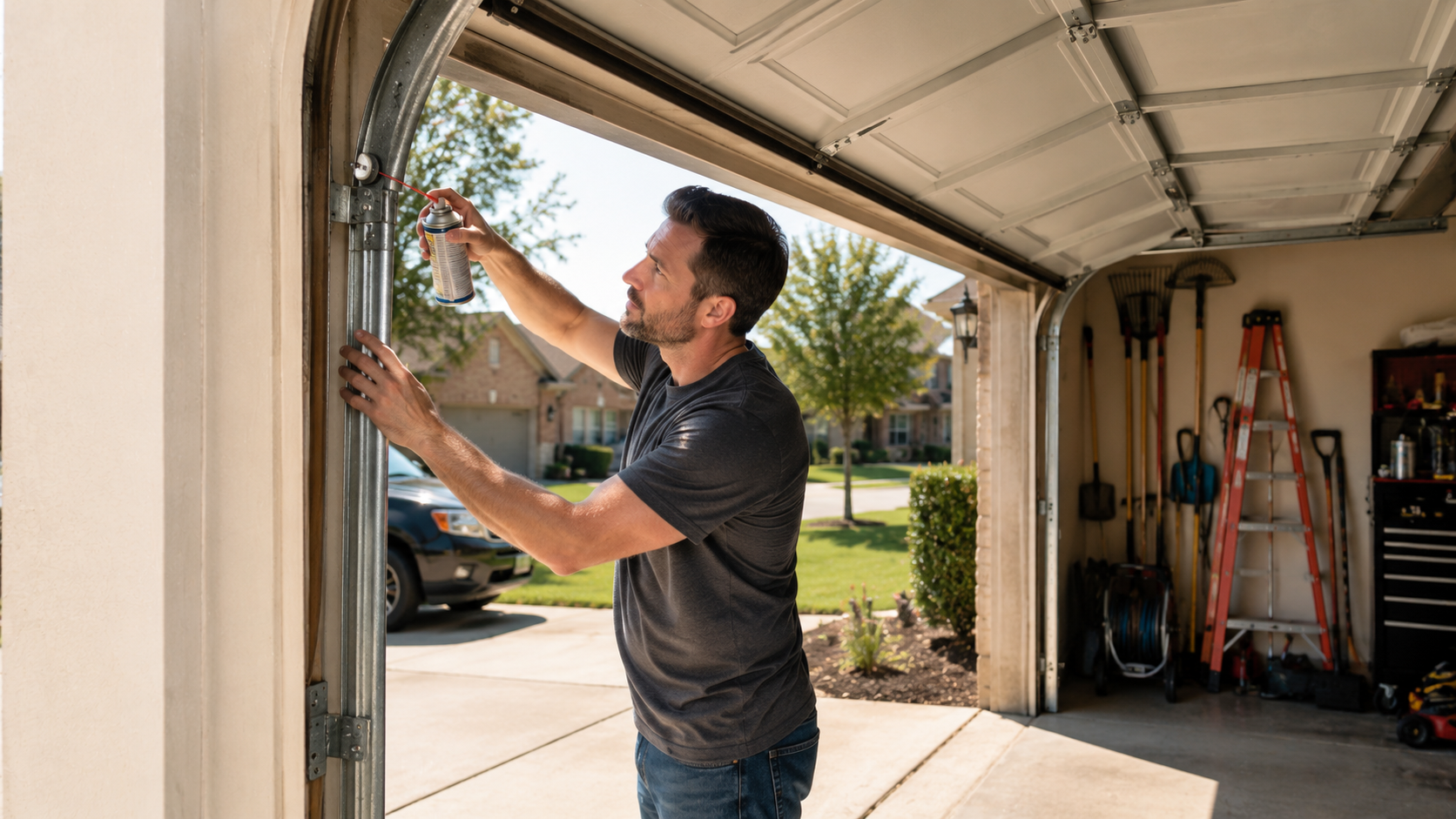
Step 1: Clean the Sensors
- Dust, dirt, spider webs, and moisture can block the sensor beam.
- Use a soft cloth and gently wipe both sensor lenses. Avoid harsh cleaners, as they can scratch the surface.
Surprisingly, this simple step solves many sensor problems.
Step 2: Check Sensor Alignment
Sensors must face each other perfectly. If one is bumped—even slightly—the beam breaks.
Look at both sensors:
- They should be at the same height
- Indicator lights should be steady, not blinking
- Brackets should be secure
If needed, loosen the mounting wing nut, adjust the sensor slowly, and tighten it once the light stays solid.
Step 3: Inspect the Sensor Wires
Loose or damaged wiring can interrupt the signal.
Check for:
- Loose wire connections
- Frayed or pinched wires
- Staples pressing too tightly against wires
If a wire is loose, gently reconnect it. If it’s damaged, you may need professional replacement.
Step 4: Remove Any Obstructions
Even small objects can block the sensor beam.
Look for:
- Storage boxes
- Brooms or tools
- Leaves or debris near the floor
Clear the area completely and test the door again.
Step 5: Check for Sunlight Interference
Direct sunlight can confuse garage door sensors, especially in the early morning or late afternoon.
If sunlight is the issue:
- Slightly angle the sensor away from direct light
- Use a sensor shield if available
- Close the garage during peak sunlight hours
Step 6: Test the Garage Door
Once adjustments are complete, test the door by closing it normally. The door should close smoothly without reversing.
For added safety, place a small object in the doorway and confirm the door reverses properly.
When Sensor Fixes Don’t Work
If cleaning, aligning, and checking wiring doesn’t solve the problem, the sensors themselves may be faulty. Sensors can fail due to age, moisture damage, or electrical issues.
In this case, replacement sensors or professional diagnosis may be necessary. While sensor replacement isn’t extremely expensive, correct installation is important for safety.
Common Mistakes to Avoid
Many homeowners accidentally make sensor problems worse by:
- Forcing the door closed
- Ignoring blinking lights
- Adjusting only one sensor
- Attempting DIY electrical repairs
Avoid these mistakes to prevent further damage or safety risks.
How Often Should You Check Garage Door Sensors?
A quick visual check every few months is enough. Clean them during routine garage cleaning and test door reversal once or twice a year. Regular checks help prevent sudden failures and unexpected headaches.
Can You Prevent Garage Door Sensor Problems?
While you can’t prevent every issue, you can reduce problems by:
- Keeping the sensor area clear
- Avoiding bumping the sensors
- Protecting them from water exposure
- Scheduling annual garage door inspections
Preventive care saves time and frustration.
Conclusion
So, how can you fix garage door sensors at home? In most cases, it comes down to simple steps like cleaning, aligning, and checking for obstructions or loose wires. These small fixes can quickly restore proper operation and keep your garage door safe and reliable.
Garage door sensors are there to protect you and your family, so it’s worth taking the time to keep them working correctly. When in doubt, don’t hesitate to call a professional—safety always comes first.
Frequently Asked Questions (FAQ)
Q: Why does my garage door close and then open again?
A: This usually means the sensors are misaligned or blocked.
Q: Can I disable garage door sensors?
A: No. Disabling sensors is unsafe and not recommended.
Q: Do garage door sensors wear out over time?
A: Yes. Like any electronic component, sensors can fail after years of use.
Q: How much does it cost to replace garage door sensors?
A: Replacement costs vary, but sensors are generally affordable compared to other garage door parts.
Q: Should I call a professional for sensor problems?
A: If basic fixes don’t work or wiring is damaged, professional service is the safest option.
You might also like
Fix N Go Blog