Garage Door Motor Types Explained (AC vs DC)
When choosing a garage door opener, most people focus on brand or price—but the motor type is what truly determines how your system performs day-to-day. The difference between an AC and DC motor affects everything from noise level and speed to energy consumption and long-term durability. Whether you're installing a new system or upgrading an old one, understanding these two motor types can save you money, reduce maintenance issues, and significantly improve your overall experience.
AC garage door motors are powerful, durable, and cost-effective, making them ideal for heavy doors and basic use—but they tend to be louder and less efficient. DC motors are quieter, smoother, and more energy-efficient, with advanced features like soft start/stop and smart controls, making them the better choice for modern residential homes.
In this guide, you'll get a clear, practical breakdown of AC vs DC garage door motors—so you can confidently choose the right option for your needs.
AC vs DC Garage Door Motors: Quick Comparison
- AC Motors (Alternating Current)
- Strong and consistent power output
- Lower upfront cost
- Louder operation
- Minimal advanced features
- Best suited for heavy-duty applications
- DC Motors (Direct Current)
- Smooth and quiet performance
- Higher energy efficiency
- Variable speed control
- Advanced features (WiFi, battery backup)
- Ideal for residential garages
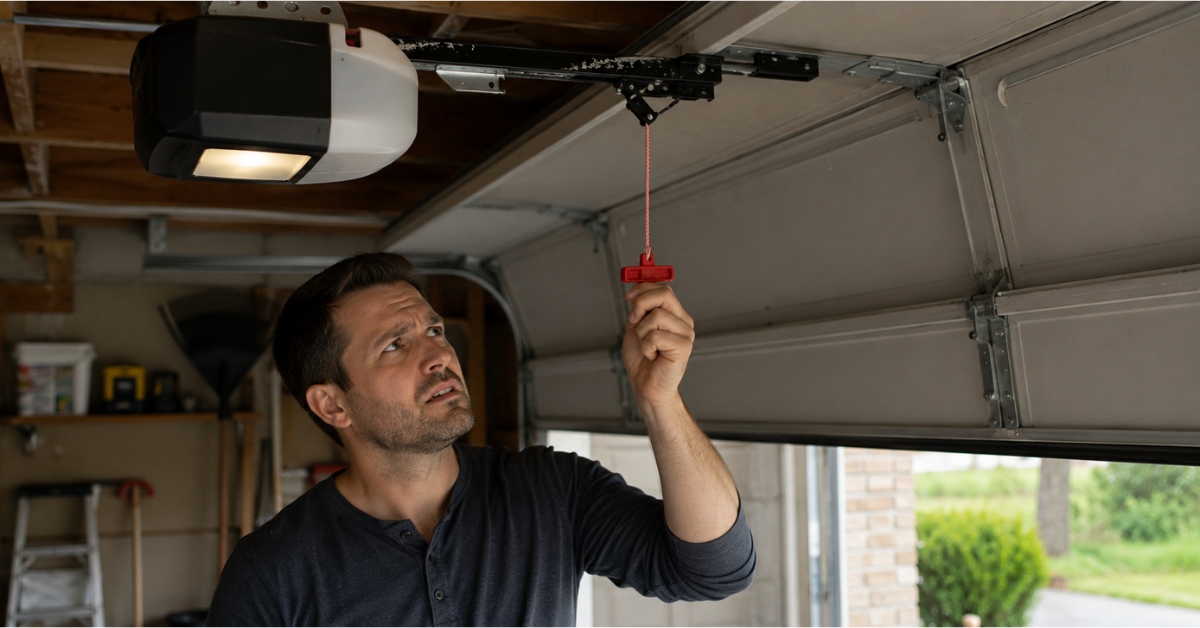
What Are the Warning Signs of a Failing Garage Door Motor?
What Is an AC Garage Door Motor?
An AC motor runs on alternating current, the standard electricity supplied to homes. These motors have been used for decades and are known for their simple, rugged design.
How It Works
AC motors operate at a fixed speed, delivering steady power to lift and lower the garage door. Because of their straightforward construction, they are less prone to electronic failures.
Advantages of AC Motors
- Durability: Built to last under heavy use
- Affordability: Lower initial purchase cost
- Power: Handles large, heavy doors with ease
- Low Complexity: Fewer electronic components
Limitations of AC Motors
- Noise: Noticeably louder during operation
- Abrupt Movement: No soft start/stop (jerky motion)
- Energy Use: Less efficient compared to DC motors
- Limited Features: No smart tech or automation
Best Use Cases
- Detached garages
- Commercial or industrial settings
- Oversized or solid wood doors
- Budget-focused installations
What Is a DC Garage Door Motor?
DC motors run on direct current, which allows for better control over speed and torque. These motors are commonly used in modern garage door openers due to their efficiency and quiet operation.
How It Works
DC motors convert AC power into DC internally, enabling variable speed control. This allows the motor to start slowly, increase speed, and then slow down before stopping.
Advantages of DC Motors
- Quiet Operation: Ideal for homes with living spaces nearby
- Smooth Movement: Soft start and stop reduces wear
- Energy Efficiency: Consumes less electricity
- Advanced Features: WiFi connectivity, remote control, battery backup
- Compact Design: Often smaller and lighter
Limitations of DC Motors
- Higher Cost: More expensive upfront
- Complex Electronics: Repairs may be more technical
- Sensitivity: Can be affected by power fluctuations
Best Use Cases
- Attached garages
- Residential homes
- Light to medium-weight doors
- Smart home integrations
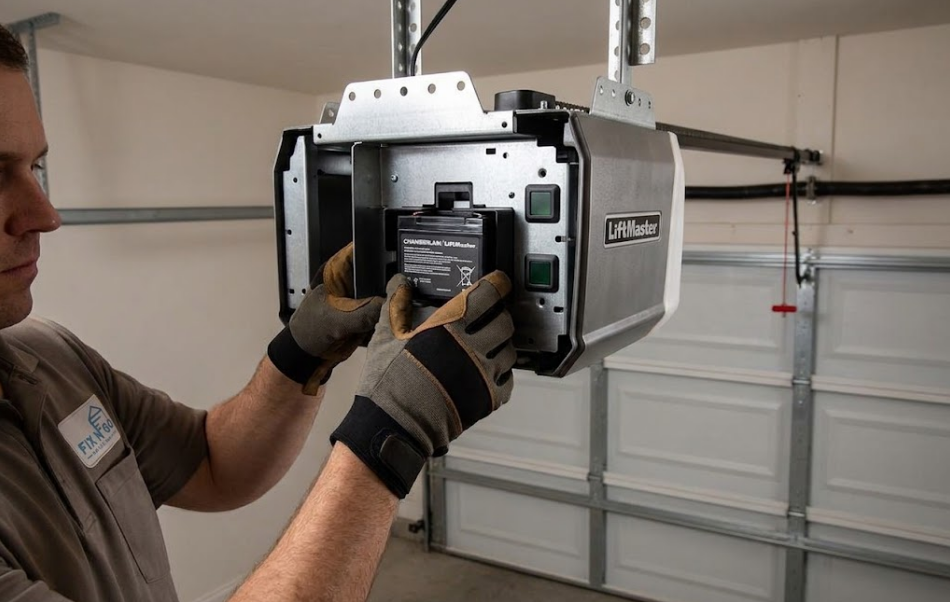
How To Replace a Garage Door Motor?
How to Choose the Right Garage Door Motor
Step-by-Step Decision Guide
Step 1: Evaluate Your Garage Location
- Attached to home → Choose DC (quiet operation)
- Detached → AC is acceptable
Step 2: Consider Door Size and Weight
- Heavy or oversized → AC motor
- Standard aluminum/steel → DC motor
Step 3: Think About Noise Tolerance
- Noise-sensitive environment → DC
- Noise not a concern → AC
Step 4: Assess Your Budget
- Lower budget → AC
- Long-term value → DC
Step 5: Decide on Features
- Want smart controls, automation → DC
- Only need basic functionality → AC
When Should You Upgrade Your Garage Door Motor?
You should consider upgrading if:
- Your current opener is too noisy
- The motor struggles to lift the door
- You want smart home integration
- There are frequent breakdowns or repairs
- Your system lacks safety or backup features
Frequently Asked Questions (FAQs)
Q1. Which motor is better for residential homes?
A: DC motors are generally better due to their quiet operation and advanced features.
Q2. Are AC motors outdated?
A: No, they are still widely used, especially for heavy-duty applications and budget setups.
Q3. Do DC motors save electricity?
A: Yes, DC motors are more energy-efficient and consume less power over time.
Q4. Which motor requires less maintenance?
A: AC motors are simpler and may require less technical maintenance.
Q5. Can I switch from AC to DC easily?
A: Yes, but you should check compatibility with your garage door system or consult a professional.
Conclusion
Choosing between an AC and DC garage door motor comes down to your priorities. If you want power, simplicity, and affordability, an AC motor will do the job reliably. But if you value quiet performance, energy efficiency, and modern features, a DC motor is the smarter long-term investment.
You might also like
Fix N Go Blog