Must-Know Tips for Using a Craftsman Garage Door Opener Safely
Using a Craftsman garage door opener safely comes down to regular maintenance, proper sensor alignment, and being aware of how your system behaves. Most accidents happen due to ignored warning signs, faulty sensors, or improper use. By following a few simple safety practices, you can prevent injuries, avoid costly repairs, and keep your garage operating reliably.
Quick Safety Tips You Should Follow
- Keep sensors clean and properly aligned
- Never stand under a moving garage door
- Test auto-reverse function regularly
- Keep remotes away from children
- Inspect springs, cables, and tracks for wear
Why Garage Door Safety Matters More Than You Think
A garage door is one of the heaviest moving parts in your home. When something goes wrong—like a broken spring or faulty sensor—it can cause serious damage or injury. Many homeowners only think about their opener when it stops working, but safety issues often start long before that.
Paying attention to how your Craftsman garage door opener operates daily can help you catch problems early and avoid emergencies.
1. Always Check the Safety Sensors
Your Craftsman opener uses photo-eye sensors near the bottom of the door. These sensors stop the door if something is in the way.
What You Should Do
- Make sure both sensors are aligned and facing each other
- Clean dust or dirt from the lenses
- Test them by placing an object in the door’s path
If the door doesn’t reverse, stop using it and fix the issue immediately.
2. Test the Auto-Reverse Feature Monthly
The auto-reverse system is a critical safety feature. It prevents the door from closing on people, pets, or objects.
How to Test It
- Place a small object (like a block of wood) under the door
- Close the door
- The door should reverse when it touches the object
If it doesn’t reverse, your opener needs adjustment or repair.
3. Keep Your Garage Door Remote Secure
Garage door remotes may seem harmless, but they can be risky if used incorrectly.
Safety Tips
- Keep remotes out of reach of children
- Don’t leave remotes in visible areas of your car
- Use a keypad with a secure code if possible
This prevents accidental openings and improves home security.
4. Never Try to Fix Springs Yourself
Garage door springs are under high tension and can be dangerous.
Important Reminder
If a spring breaks, do not attempt to repair it yourself. This is one of the most common causes of injury in garage door accidents
Always call a professional for spring or cable repairs.
5. Watch for Warning Signs Early
Your garage door often gives signs before a major failure.
Common Warning Signs
- Loud grinding or squeaking noises
- Slow or uneven movement
- Door not closing completely
- Remote delays or inconsistent response
Ignoring these signs can lead to bigger, more expensive problems.
6. Keep the Tracks and Moving Parts Clean
Dirt and debris can affect how smoothly your door operates.
What You Should Do
- Clean tracks regularly
- Lubricate moving parts like rollers and hinges
- Check for loose bolts or misalignment
This keeps your Craftsman opener running safely and efficiently.
7. Don’t Force the Door Open or Closed
If your garage door isn’t responding, forcing it can damage the system.
Better Approach
- Check the power supply
- Inspect the remote batteries
- Look for obstructions
If the issue continues, get it checked instead of forcing movement.
8. Upgrade to Smart Monitoring for Extra Safety
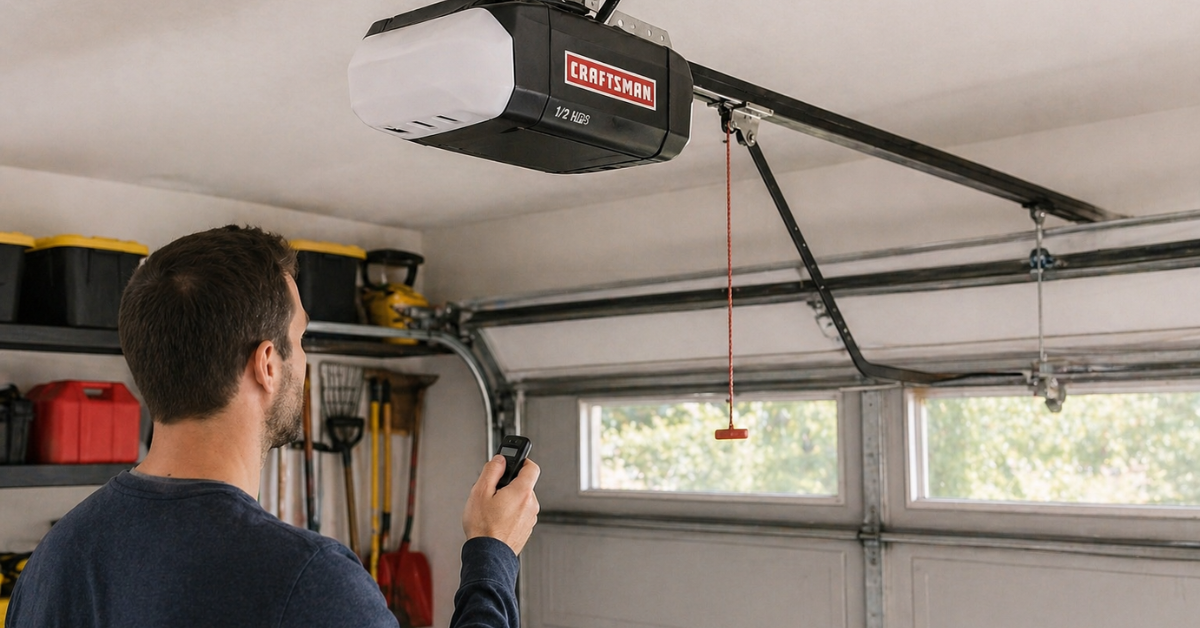
If your Craftsman opener isn’t smart-enabled, consider adding a smart controller.
Benefits
- Monitor door status remotely
- Get alerts if the door is left open
- Control access from your phone
This adds an extra layer of safety and convenience.
FAQs
Q: How often should I check my garage door safety features?
A: You should test sensors and the auto-reverse feature at least once a month.
Q: What should I do if my garage door doesn’t reverse?
A: Stop using the opener and get it inspected immediately to avoid safety risks.
Q: Can children use the garage door opener safely?
A: Only under supervision. Keep remotes out of reach to prevent accidents.
Q: Is it safe to repair garage door springs myself?
A: No, spring repairs are dangerous and should always be handled by professionals.
Q: Why is my garage door making loud noise?
A: It could be due to worn parts, lack of lubrication, or alignment issues.
Final Thoughts
Using a Craftsman garage door opener safely isn’t complicated—but it does require attention. Most safety issues come from small problems that are ignored over time. Test your safety features monthly, fix small issues early, and never attempt risky repairs yourself. A few minutes of maintenance can prevent serious problems later.
You might also like
Fix N Go Blog