Garage Door Opener Battery Backup: Why It Matters in Texas
Most Texas homeowners don't think about their garage door opener until it stops working. In a state that regularly deals with hurricanes, tropical storms, extreme summer grid stress, and hard winter freezes, the moment your opener stops working is often the exact moment you need it most.
That's where a battery backup comes in. It's a rechargeable system connected to your garage door opener that keeps the door functioning when the power goes out. For Texas homeowners, it's less of a luxury than a practical safety upgrade.
What a Garage Door Opener Battery Backup Actually Does
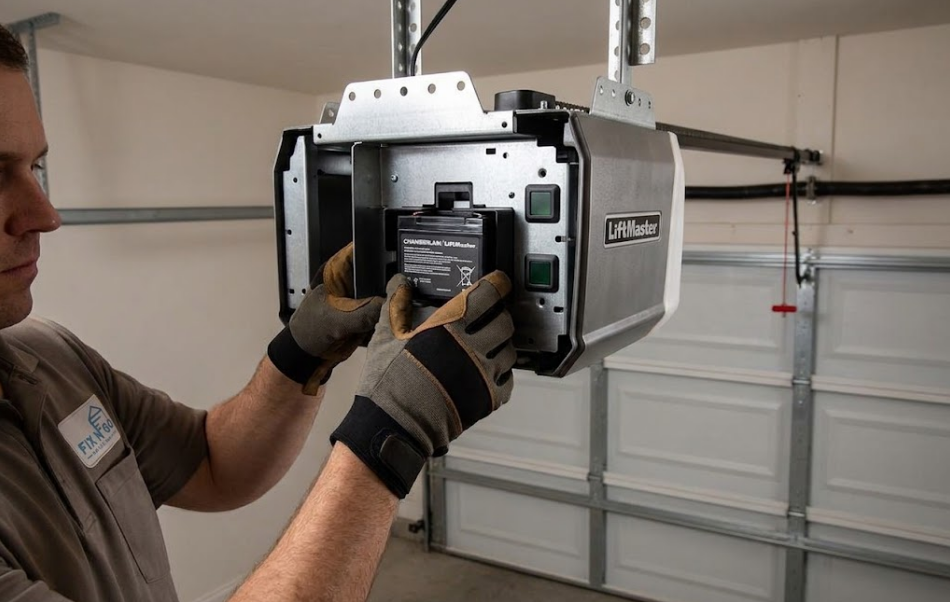
A battery backup unit monitors your main electrical source. When your electricity is on, the backup stays fully charged in the background. When the power drops, the opener automatically switches over to the battery and continues operating normally.
A fully charged backup battery can usually operate the garage door multiple times during an outage. The exact number of cycles varies by opener model, battery condition, temperature, and how well the door is balanced.
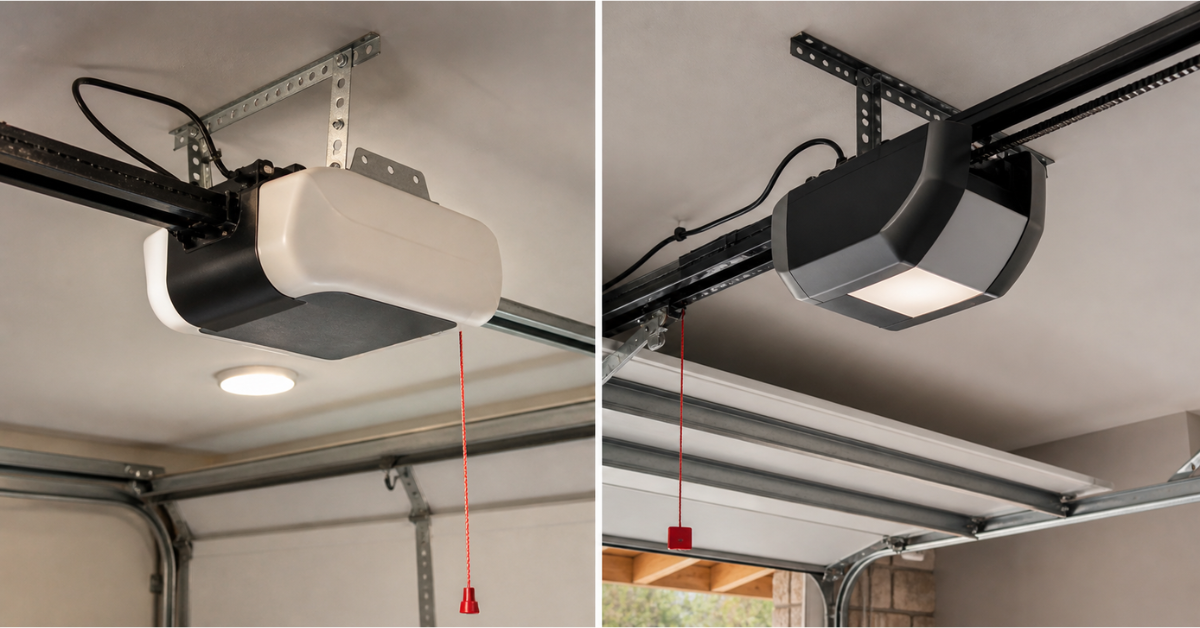
Some newer openers come with battery backup built in from the factory. Others accept a module that can be installed after the fact. If you're not sure whether your opener supports a backup, a quick look at the unit or a call to a technician for garage door opener installation can give you an answer.
Why Battery Backup Matters More in Texas
Power outages are a recurring concern across Houston, the Gulf Coast, and other parts of Texas. Several seasonal factors make a backup system worth considering:
- Hurricane and Tropical Storm Season: From June through November, Gulf Coast weather poses a real threat to power infrastructure. During an evacuation or severe storm, an operational garage door is crucial.
- Winter Freezes: Winter storms can leave grid infrastructure compromised. A backup system ensures you aren't stuck inside or outside during a sudden freeze.
- Summer Grid Stress: Extreme summer heat pushes power grids to their limits, making rolling outages or temporary blackouts a real possibility during heatwaves.
- Everyday Power Disruptions: Severe thunderstorms, downed power lines, and routine equipment repairs can temporarily cut power to local neighborhoods throughout the year.
Having a battery backup keeps your home accessible and your vehicles movable during these outages.
What Happens Without Battery Backup
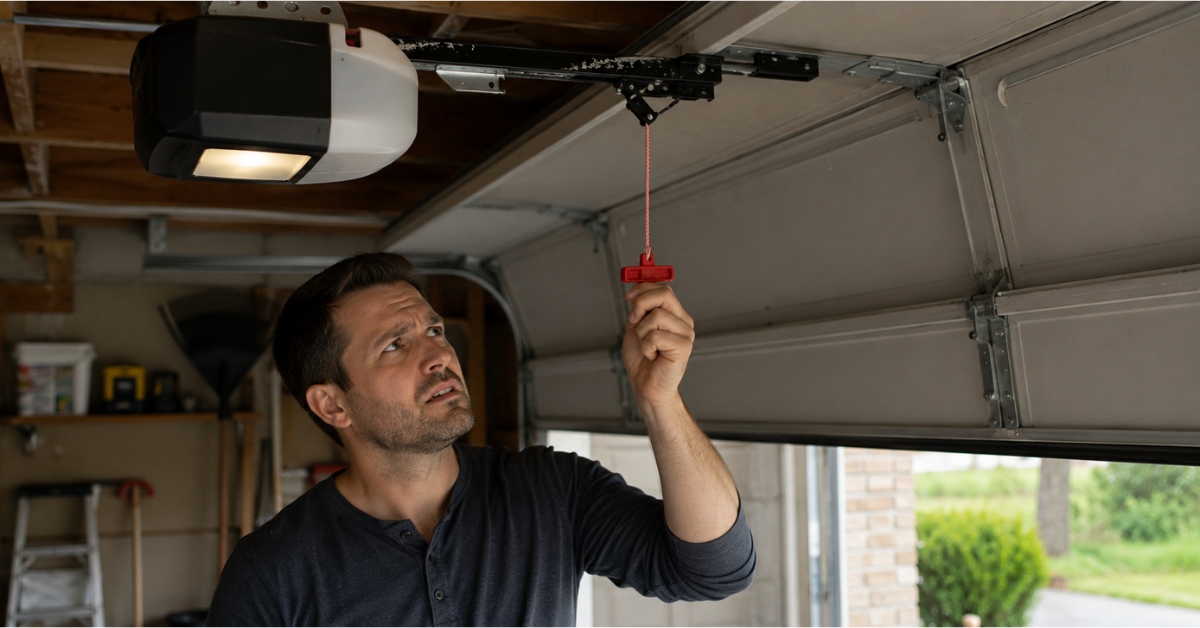
Without a battery backup, an automatic garage door opener cannot operate during a power outage. Your main alternative is using the emergency release cord to open the door manually.
Safety Warning: Only use the emergency release when the garage door is fully closed whenever possible. If the spring is broken or the door is unbalanced, disconnecting the opener while it is open may cause the door to fall unexpectedly. Contact a technician if the door feels unusually heavy or will not remain in position.
Many garage doors are extremely heavy and may be unsafe to lift manually, particularly if the spring system is broken or the door is unbalanced.
Key Features to Consider
When evaluating a battery backup system or purchasing a new opener, keep these technical details in mind:
- Battery Lifespan: Most garage door opener backup batteries last approximately one to two years under normal use. Battery age, ambient temperature, and usage frequency affect overall lifespan.
- Status Indicators: Many compatible openers provide an audible alert or a status light when the battery is low or needs replacement.
- Recharge Time: Standard backup units begin recharging automatically once main power is restored to ensure readiness for subsequent power disruptions.
Compatibility: Add-On Modules vs. System Replacement
Not every garage door opener can accept a backup battery. Battery backups are generally associated with compatible DC-motor openers, and not every existing unit can accept a retrofit battery.
- Existing Compatible Openers: If your opener is a compatible DC-motor model, adding a backup module is straightforward. If you already have a compatible unit and simply need to replace an aging power cell, refer to our specific guides for LiftMaster backup battery replacement or Chamberlain backup battery replacement.
- Older or Incompatible Units: Many older or incompatible openers cannot accept an add-on backup battery. Battery-backup systems are generally used with compatible DC-motor openers, so the model number should be checked before purchasing a battery or replacement opener. In these cases, you will need to replace an older garage door opener with a modern system featuring integrated battery backup.
Installation and Maintenance
Installation requirements vary depending on your system. Adding a backup module to an existing compatible unit is generally straightforward, whereas replacing an entire opener requires a full installation process. Routine maintenance involves:
- Checking the unit's LED status light every few months to verify charge state.
- Replacing the battery cell every one to two years as recommended by manufacturers like LiftMaster and Chamberlain.
- Follow the testing procedure in your opener’s owner’s manual. Generally, testing should only be performed with the garage door fully closed, the doorway clear and the spring system functioning properly. Do not attempt the test if the door is unbalanced or has a broken spring
Frequently Asked Questions
Do I need to replace my whole opener to get a battery backup?
Not always. If your current unit is a compatible DC-motor model, you may only need an add-on battery module. If it is an older or incompatible AC model, the entire opener will need to be replaced.
How often do backup batteries need to be replaced?
Most manufacturers recommend replacing the battery every one to two years, depending on usage, temperature exposure, and door condition.
Will a battery backup work if my garage door springs are broken?
No. A battery backup only supplies electricity to the opener. It cannot compensate for a broken spring, damaged cable or unbalanced garage door. Operating the opener in that condition may cause additional damage.
Ready to Add Battery Backup to Your Garage Door Opener?
Don't wait for the next hurricane or freeze. Fix N Go installs and services battery backup openers across Houston, Memorial, Conroe, Webster, Corpus Christi, and beyond.
📞 Call (832) 400-2992 Schedule Online
You might also like
Fix N Go Blog