How Often Should Commercial Garage Doors Be Serviced?
If you manage a warehouse, shop, fleet bay, or loading dock, you already know one truth: when a door goes down, everything slows down. Deliveries back up, employees lose time, and security becomes a concern. That’s why people ask, how often should commercial garage doors be serviced—because waiting until something breaks is usually the most expensive plan.
The short answer is this: most commercial garage doors should be professionally serviced at least twice a year, and high-cycle doors (busy docks and fleet bays) often need quarterly service or even more frequent checks. On top of that, a quick in-house inspection every month can prevent surprises.
But service frequency isn’t one-size-fits-all. It depends on how many cycles the door runs, what kind of door it is, the environment it’s in, and how critical it is to your operations. In this guide, you’ll get a clear commercial door maintenance schedule you can actually follow, plus practical examples and warning signs that mean you should call for service immediately.
Why Regular Service Matters in Commercial Settings
Commercial doors are designed to be tough, but they’re also constantly under stress. Unlike residential doors that might run a few times a day, commercial doors can run dozens—or hundreds—of cycles daily. Every cycle adds friction and wear to rollers, hinges, tracks, springs, cables, and the operator.
When service is skipped, small problems grow quietly:
A slightly worn roller can damage a track. A door that’s slightly out of balance can overwork the operator. A fraying cable can become a safety hazard. And once a door fails, the cost is not just the repair—it's downtime, missed schedules, and sometimes damaged products.
So when you think about how often should commercial garage doors be serviced, you’re really deciding how much risk and downtime you’re willing to carry.
The Best Commercial Door Maintenance Schedule (By Usage)
A practical commercial door maintenance schedule starts with one metric: daily cycles. A “cycle” is one open-and-close.
Low-cycle doors (under 20 cycles per day)
Examples: storage facilities, backroom doors with light traffic, rarely used bays.
- Professional service: every
12 months
- In-house check: every
1–2 months
These doors can last a long time with annual service because they don’t accumulate wear quickly.
Mid-cycle doors (20–60 cycles per day)
Examples: moderate warehouse operations, service departments, retail receiving.
- Professional service: every
6 months
- In-house check: monthly
This is the most common category, and twice-yearly service is a sweet spot for reliability and cost.
High-cycle doors (60+ cycles per day)
Examples: busy loading docks, distribution centers, fleet bays, high-speed operations.
- Professional service: every
3 months
- In-house check: weekly or monthly, depending on risk
For high-cycle doors, quarterly service is often the minimum. If the door supports temperature control, food products, or high-security operations, you may also want more frequent checks.
How Often Should Commercial Garage Doors Be Serviced at Loading Docks?
Loading docks are their own world. Doors face forklift impacts, truck vibrations, constant openings, and weather exposure. If your question is how often should commercial garage doors be serviced for docks, the schedule is usually tighter than the rest of the facility.
A realistic plan for loading dock door service looks like this:
- Quarterly professional inspection for most dock doors
- Monthly in-house checks for rollers, tracks, seals, and sensor alignment
- Immediate service after impact (forklift hit, track bend, or panel dent)
Even one small collision can push tracks out of alignment, which creates friction and can lead to cable or spring issues later. If your dock uses levellers, seals, or shelters, door service also ties into energy and pest control. When a dock door stops sealing well, the cost shows up in heating/cooling bills and product protection.
What a Professional Overhead Door Inspection Usually Includes
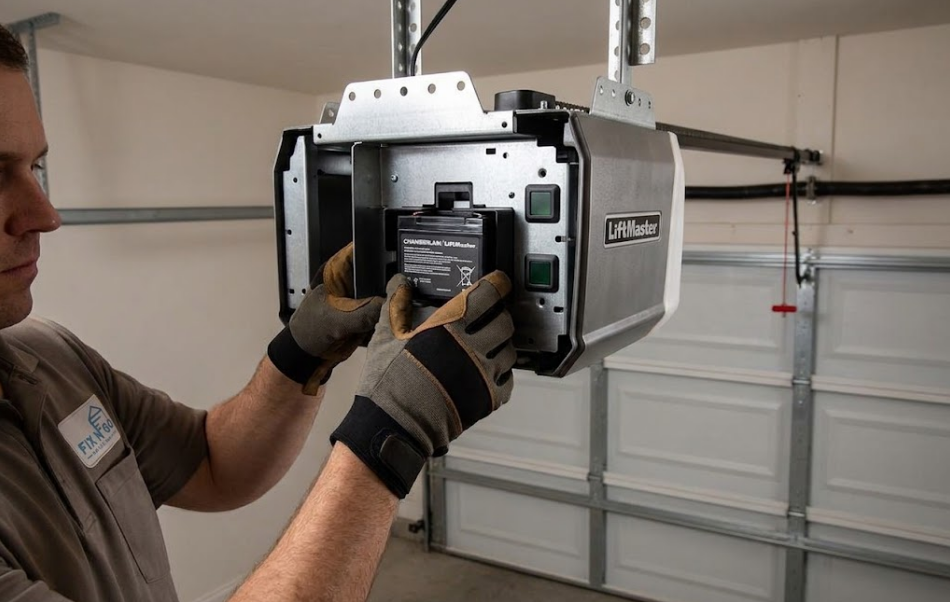
If you’re paying for service, you should know what you’re getting. A thorough overhead door inspection typically covers:
Mechanical inspection
A technician will check:
- rollers and hinges for wear and wobble
- track alignment and mounting points
- fasteners for vibration loosening
- panel condition and reinforcement points
- bottom seal and perimeter weather stripping
Balance and spring system check
This is a critical part of commercial service because springs and cables carry the door’s weight. The tech may:
- evaluate door balance and tension
- inspect torsion springs for fatigue or cracking
- inspect cables for fraying or corrosion
- check drums and bearings
Springs and cables are not “wait-and-see” items. If they fail, doors can drop suddenly and cause damage or injuries.
Operator and safety system check
Modern operators include safety edges, photo-eyes, timers, and force settings. Service should include:
- sensor alignment and function tests
- reversing safety tests
- operator mounting and vibration checks
- limit settings and travel adjustment
- remote, keypad, or access control checks (when used)
Lubrication and cleanup
A pro will lubricate the correct moving parts (and avoid the wrong ones). That reduces friction and noise and prevents premature wear.
How Often Should Commercial Garage Doors Be Serviced if They’re High-Speed Doors?
High-speed doors are built for constant movement, but they also rely heavily on sensors, controls, and tight alignment. If you operate a high-speed door, treat it like critical equipment.
A smart schedule:
- Professional service every 2–3 months in high-cycle environments
- Monthly checks for curtain wear, bottom bar condition, and sensor operation
High-speed doors also need fast attention when they start “acting strange”—like reversing unexpectedly or hesitating. Those symptoms often point to sensor or alignment issues that can worsen quickly.
The Monthly In-House Check (Simple and Worth It)
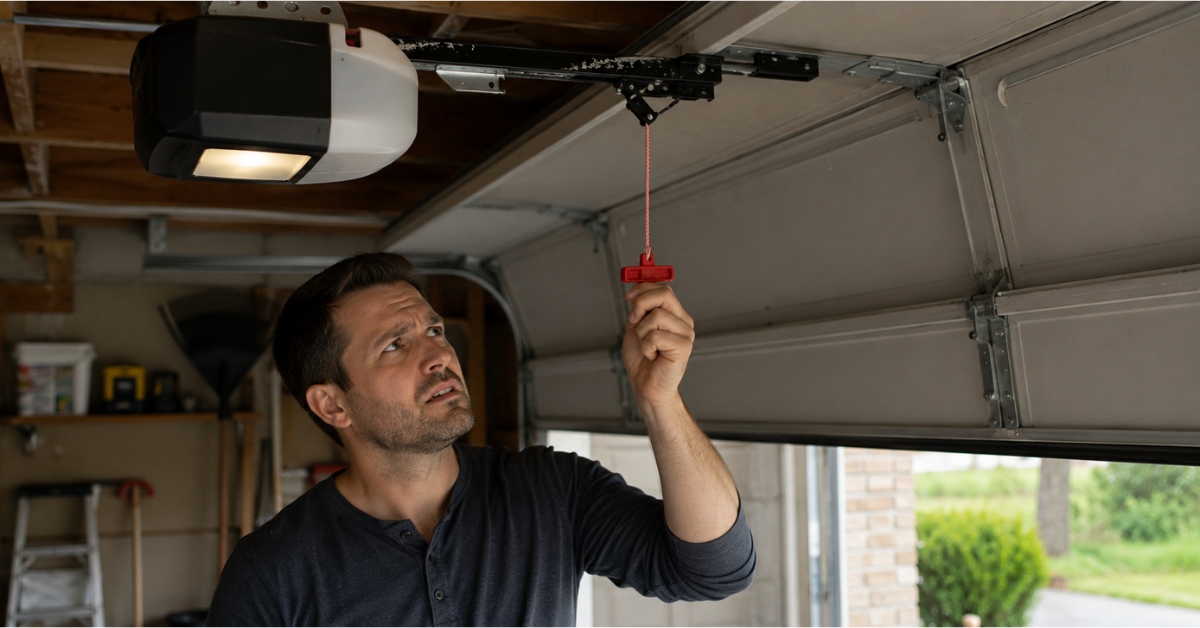
You don’t need to be a technician to spot early warning signs. A monthly check takes 10–15 minutes per door and helps you avoid emergency calls.
Here’s what to look for:
Listen during operation
New sounds matter:
- grinding
- squealing
- clunking
- rattling at the top or bottom
Noise often means friction, loose hardware, or worn rollers.
Watch the door travel
A healthy door moves smoothly. Red flags include:
- jerky motion
- uneven movement on one side
- scraping
- slow closing
- bouncing or reversing
Look at the tracks and hardware
Check for:
- bent tracks
- loose track brackets
- missing bolts
- rollers that wobble
- frayed cables (look only—don’t touch)
Check seals and alignment
If daylight shows under the door or side gaps have grown, the door may be misaligned or seals may be worn. In many facilities, poor sealing becomes an energy and pest problem. This is also where you can catch issues early and reduce commercial garage door repair costs.
Warning Signs You Should Service Immediately
Even if you follow a schedule, certain signs mean you should stop waiting and book service now:
- door reverses unexpectedly
- door won’t close consistently
- visible cable fraying
- door feels heavy or drops quickly (balance issue)
- repeated operator errors or limit faults
- track damage after impact
- slow operation that’s getting worse
- safety devices not working properly
If a safety system fails or a cable looks damaged, treat it as urgent. Commercial doors are heavy, and the risk is not worth delaying.
How Service Frequency Affects Costs (In a Good Way)
It sounds odd, but more frequent service can reduce total cost over a year. Why? Because scheduled service typically prevents:
- track replacement from roller damage
- operator burnout from unbalanced doors
- cable failure from unnoticed corrosion
- emergency after-hours calls
- downtime and disrupted workflows
For many facilities, the biggest savings is the one nobody puts on an invoice: avoiding operational shutdown.
Service Frequency by Environment
Where the door lives changes how quickly parts wear.
Dusty or industrial environments
Dust and grit speed up roller and hinge wear. Consider:
- more frequent lubrication checks
- more frequent track cleaning
- quarterly service even at moderate cycle counts
Coastal or humid locations
Salt and moisture increase corrosion risks. That can shorten cable and spring life. Preventive service becomes more important than ever.
Cold climates
Cold can affect seals, lubrication, and door flexibility. Doors may also freeze to the ground, which strains operators and causes abrupt failures.
Conclusion
So, how often should commercial garage doors be serviced? For most businesses, the best baseline is professional service every 6 months with a monthly in-house inspection. If your doors are high-cycle—especially at docks or fleet bays—move to quarterly service or even every 2–3 months for high-speed systems.
Regular service isn’t just about keeping the door moving. It protects your employees, reduces downtime, extends equipment life, and keeps operations predictable. If you manage multiple doors, building a simple service calendar will pay off quickly—and you’ll feel the difference the next time peak shipping season hits.
FAQs
Q: How often should commercial garage doors be serviced in a warehouse?
A: Most warehouse doors do best with twice-yearly professional service and monthly in-house checks. High-traffic bays often need quarterly service.
Q: What happens if I don’t service a commercial garage door?
A: Small issues can turn into major failures: track damage, cable wear, operator burnout, safety sensor failures, and costly downtime.
Q: Is quarterly service necessary for loading dock doors?
A: Often yes. Loading docks experience heavy use and impact risk, so quarterly loading dock door service is a common best practice.
Q: What’s included in an overhead door inspection?
A: A full inspection covers rollers, hinges, tracks, springs, cables, balance, operator settings, safety devices, and lubrication.
Q: Can my staff perform maintenance instead of hiring a pro?
A: Staff can handle basic monthly checks and cleaning, but spring and cable systems, track alignment, and operator diagnostics should be handled by trained professionals.

You might also like
Fix N Go Blog