How to Save Money on Garage Door Repairs?
Garage door repairs can quickly become expensive, especially when small issues are ignored until they turn into major failures. For many homeowners, repair costs feel unpredictable—but in reality, most high repair bills can be avoided with the right approach. Knowing how to save money on garage door repairs comes down to prevention, smart habits, and understanding when professional help is truly needed.
Your garage door is a complex system with many moving parts working together every day. When one part wears out, it often puts extra strain on others. This guide breaks down realistic, homeowner-friendly strategies to reduce repair costs without compromising safety or performance.
Why Garage Door Repairs Often Cost More Than Expected
Garage doors rely on high-tension components such as springs, cables, and rollers. When a single part fails, it rarely happens in isolation. A worn roller can damage tracks, a misaligned door can strain the opener, and a broken spring can overload the entire system.
Emergency service calls, after-hours repairs, and rushed decisions often drive costs even higher. That’s why learning how to save money on garage door repairs starts with avoiding emergencies whenever possible.
Small Maintenance Habits That Make a Big Financial Difference
- Consistent care is the most effective way to keep repair costs low.
- A quick visual check once a month can reveal loose bolts, worn rollers, or frayed cables before they fail completely. These early warning signs are easy to miss, but catching them early prevents costly damage later.
- Lubrication also plays a major role. Dry components create friction, which accelerates wear. Applying a garage-door-specific lubricant to rollers, hinges, and springs every few months helps the door operate smoothly and reduces stress on the system.
Warning Signs You Should Never Ignore
Many homeowners unintentionally increase repair costs by overlooking early symptoms.
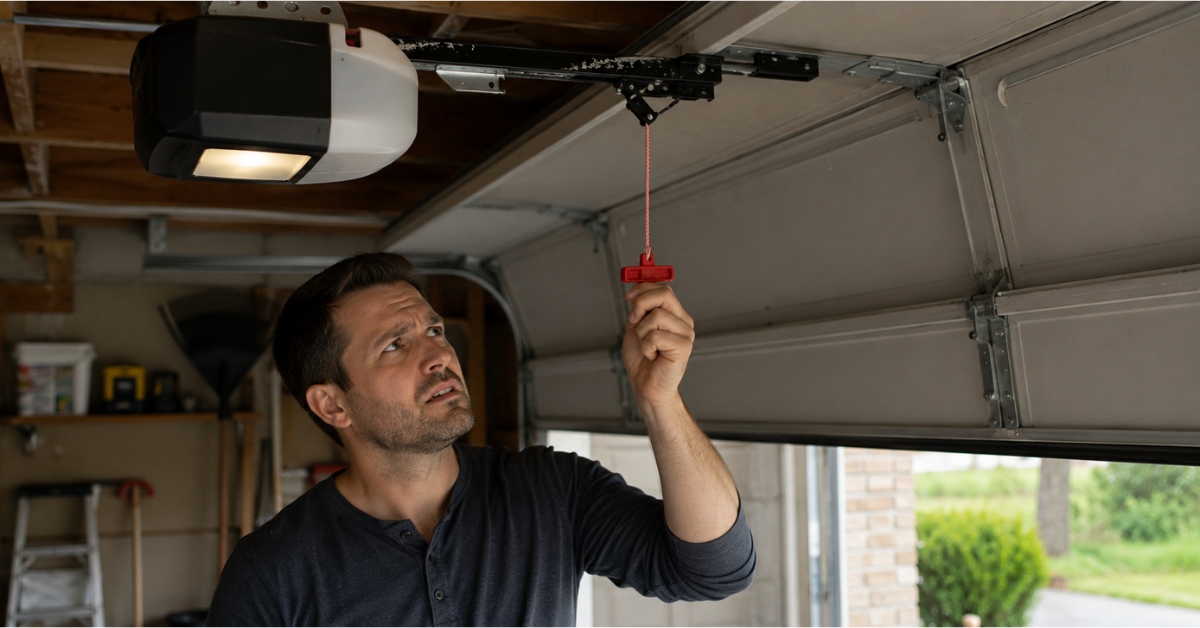
Unusual noises such as grinding, squeaking, or banging are often the first sign that something is wrong. A garage door that hesitates, moves unevenly, or shakes during operation is also signaling a developing problem.
Addressing these issues early is one of the simplest ways to save money on garage door repairs. Waiting until the door stops working usually means paying for more extensive repairs.
Knowing When DIY Saves Money—and When It Doesn’t
Not all garage door tasks are equal. Some are safe and cost-effective for homeowners, while others can lead to serious injury or higher repair bills if done incorrectly.
Basic tasks like cleaning tracks, tightening loose hardware, and lubricating moving parts are safe and helpful. However, spring repairs, cable adjustments, and track realignment should always be left to professionals. These components are under extreme tension, and mistakes often result in damaged parts—or worse.
Understanding this balance is essential when deciding how to save money on garage door repairs without creating new problems.
Fixing Minor Issues Before They Escalate
Garage doors rarely fail without warning. Small problems usually grow slowly. Worn rollers, for example, are relatively inexpensive to replace. If ignored, they can damage tracks and cause misalignment, leading to far higher repair costs. The same applies to loose hardware, which can cause vibration and uneven wear if not tightened early. Proactive repairs cost far less than reactive ones.
Everyday Habits That Reduce Repair Costs
How you use your garage door daily has a direct impact on repair frequency. Avoid forcing the door open or closed if it feels heavy or unresponsive. Forcing the system strains the opener and damages internal components. Similarly, allowing the door to slam shut increases stress on springs and cables.
Keeping tracks clean and free of debris also prevents rollers from slipping or jumping out of alignment—an issue that often leads to expensive service calls.
Repair or Replace? Making the Cost-Smart Decision
One of the biggest money-saving decisions homeowners face is choosing between repair and replacement.
If the issue is isolated—such as a sensor problem, worn roller, or damaged hinge—repairing the part is usually the most economical option. However, frequent breakdowns, structural damage, or outdated safety features often make replacement the better long-term investment.
Understanding when replacement saves more money than repeated repairs is a key part of learning how to save money on garage door repairs over time.
Why Preventive Professional Service Actually Saves Money
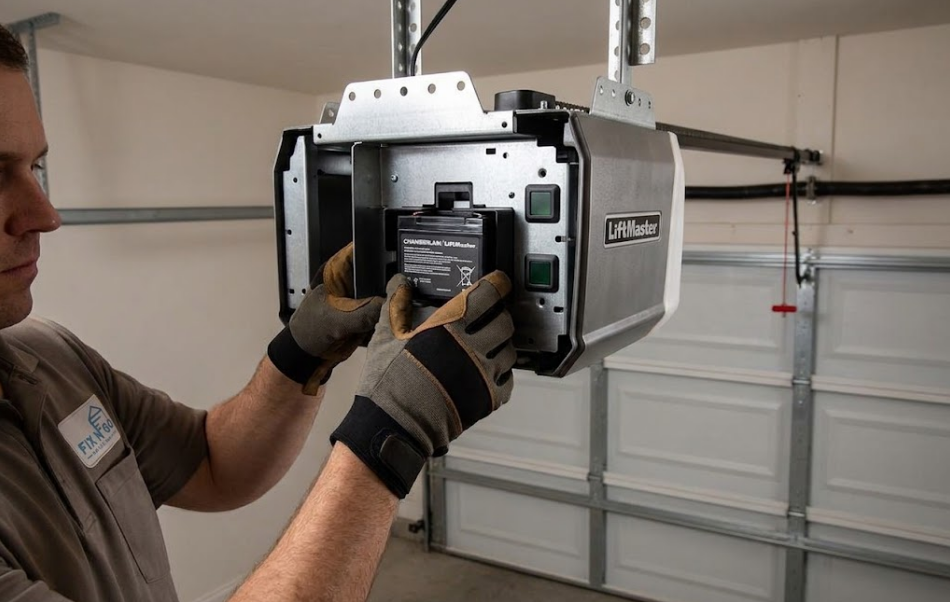
Many homeowners skip professional maintenance to avoid upfront costs, but this often leads to higher expenses later. Annual professional inspections help identify hidden wear, balance issues, and early spring fatigue. Technicians can make small adjustments that significantly extend the lifespan of the door and its components. Preventive service costs far less than emergency repairs or full system replacement.
Energy Efficiency and Repair Costs
Temperature changes cause metal parts to expand and contract. Poor insulation increases this stress, leading to faster wear. Insulated garage doors and intact weather seals help stabilize temperatures inside the garage. This reduces strain on components and lowers the frequency of repairs—an often overlooked way to save money on garage door repairs.
Choosing Repair Services Wisely
When professional repairs are necessary, smart comparison matters. The cheapest quote isn’t always the best choice. Extremely low prices may mean lower-quality parts or incomplete repairs. Reputable services offer warranties on parts and labor, protecting you from repeat expenses. Asking the right questions upfront can prevent paying twice for the same issue.
Long-Term Strategies for Lower Garage Door Costs
Homeowners who save the most on garage door repairs focus on consistency rather than quick fixes. Regular inspections, proper use, timely repairs, and professional support when needed all work together to reduce lifetime costs. A well-maintained garage door doesn’t just last longer—it costs less to own.
Frequently Asked Questions (FAQ)
Q: What garage door repair costs the most?
A: Spring replacement and major track or panel repairs are typically the most expensive.
Q: Can maintenance really reduce repair bills?
A: Yes. Routine maintenance prevents failures and extends the life of major components.
Q: How often should I service my garage door?
A: Monthly visual checks and annual professional inspections are recommended.
Q: Is it cheaper to repair or replace an old garage door?
A: If repairs are frequent or safety features are outdated, replacement is often more cost-effective.
Q: Should I fix a noisy garage door right away?
A: Yes. Noise often signals wear that can lead to bigger problems if ignored.
Conclusion
Learning how to save money on garage door repairs isn’t about cutting corners—it’s about making informed, proactive decisions. Regular maintenance, early problem detection, proper daily use, and knowing when to seek professional help all play a role in keeping costs under control. With the right habits and a preventive mindset, homeowners can avoid unnecessary expenses and keep their garage doors reliable for years to come.
You might also like
Fix N Go Blog