How To Winter-Proof Your Roller Doors?
As temperatures drop and winter approaches, many homeowners focus on insulating windows, sealing doors, and protecting plumbing—but roller doors are often overlooked. This can be a costly mistake. Cold weather can cause roller doors to freeze, stiffen, or malfunction, leading to inconvenient breakdowns and expensive repairs.
Learning how to winter-proof your roller doors helps ensure smooth operation, better insulation, and long-term durability throughout the colder months. Whether your roller door protects your garage, storage area, or workshop, proper winter preparation keeps it reliable when you need it most.
In this guide, we’ll walk through practical, easy-to-follow steps to protect your roller doors from winter damage—without overcomplicating the process.
Why Winter-Proofing Roller Doors Is Important
Winter weather introduces moisture, freezing temperatures, and thermal contraction—all of which affect metal components. Roller doors are especially vulnerable because they rely on smooth movement, balanced tension, and clean tracks.
If winter maintenance is ignored, homeowners may face:
- Frozen or jammed roller doors
- Increased strain on motors and springs
- Cold drafts entering the garage
- Higher heating costs
- Shortened roller door lifespan
Understanding how to winter-proof your roller doors helps prevent these issues while keeping your home warmer and safer.
How To Winter-Proof Your Roller Doors: Start With Inspection
Before making any adjustments, inspect the roller door system carefully.
- Check Door Panels and Slats: Look for dents, cracks, or gaps between slats. Cold air can easily enter through small openings, reducing insulation efficiency. Damaged panels should be repaired before winter sets in.
- Inspect Tracks and Guides: Ensure tracks are clean, straight, and free from debris. Even small obstructions can cause the door to stick when temperatures drop.
A thorough inspection is the foundation of effective winter roller door maintenance.
Winter-Proof Your Roller Doors With Proper Cleaning
Dirt buildup may seem harmless, but during winter it can trap moisture and freeze.
- Clean Tracks and Rollers: Use a dry cloth or soft brush to remove dirt, leaves, and dust from tracks. Avoid water-based cleaning in freezing conditions, as leftover moisture can freeze overnight.
- Remove Salt and Grime: If your garage is exposed to road salt, wipe down metal parts regularly. Salt accelerates corrosion, especially in cold environments.
Clean components move more freely and resist winter damage.
Lubrication: A Critical Step in Cold Weather
Cold temperatures cause metal parts to contract, increasing friction. Proper lubrication ensures smooth movement.
Use Cold-Weather-Safe Lubricant
Apply a silicone-based or garage-door-specific lubricant to:
- Roller guides
- Hinges and bearings
- Springs and shafts
Avoid thick grease, which hardens in low temperatures.
Winter-Proof Your Roller Doors With Insulation
Insulation plays a major role in temperature control and energy efficiency.
- Add Roller Door Insulation: If your roller door is uninsulated, consider installing insulation kits designed for roller doors. These reduce heat loss and prevent cold air infiltration.
- Seal Gaps and Cracks: Weather seals around the edges of the door should be intact. Replace worn bottom seals or side seals to block drafts and moisture.
Proper roller door insulation helps maintain indoor comfort and protects stored items from extreme cold.
Prevent Freezing and Moisture Damage
Moisture is one of the biggest winter threats to roller doors.
- Control Condensation: Ensure proper ventilation inside the garage to reduce condensation buildup. Moisture that settles on metal components can freeze and cause parts to stick.
- Keep the Door Dry: After heavy snow or rain, wipe down the bottom of the door. Preventing moisture buildup reduces freezing risks overnight.
Test Door Balance and Manual Operation
Cold weather places extra strain on motors and springs.
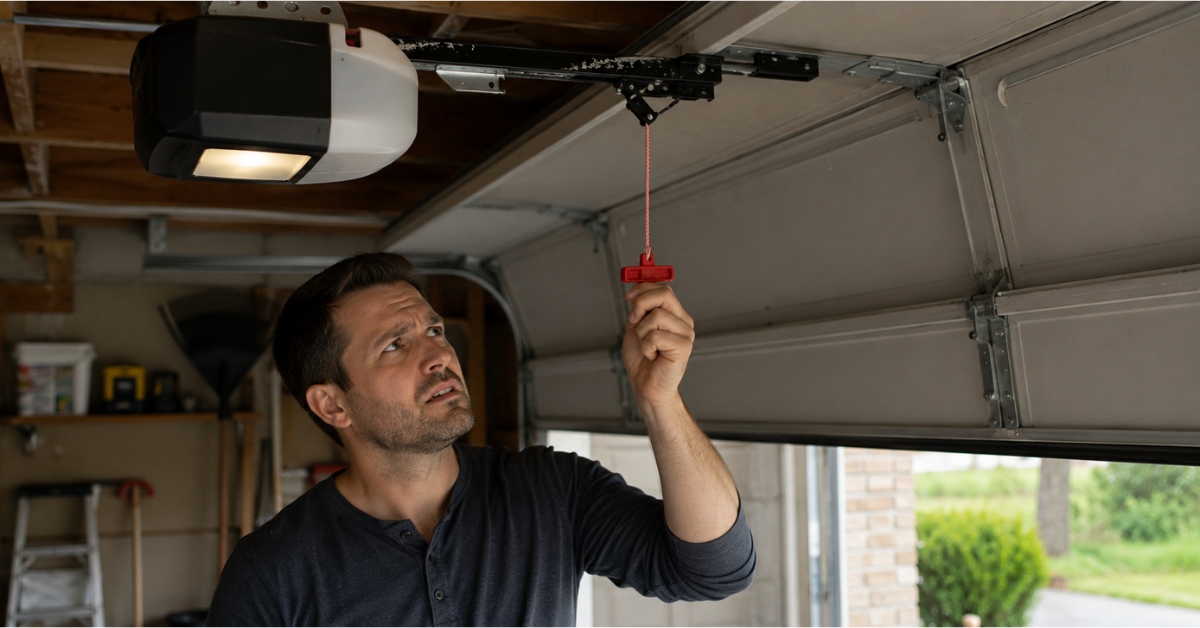
- Test Manual Movement: Disconnect the opener and lift the door manually. It should move smoothly without resistance. If it feels heavy or uneven, professional adjustment may be required.
- Avoid Forcing the Door: Never force a frozen or stiff roller door. Doing so can damage the motor or bend the tracks.
Balanced doors operate more efficiently in winter conditions.
How To Winter-Proof Your Roller Doors by Protecting the Opener
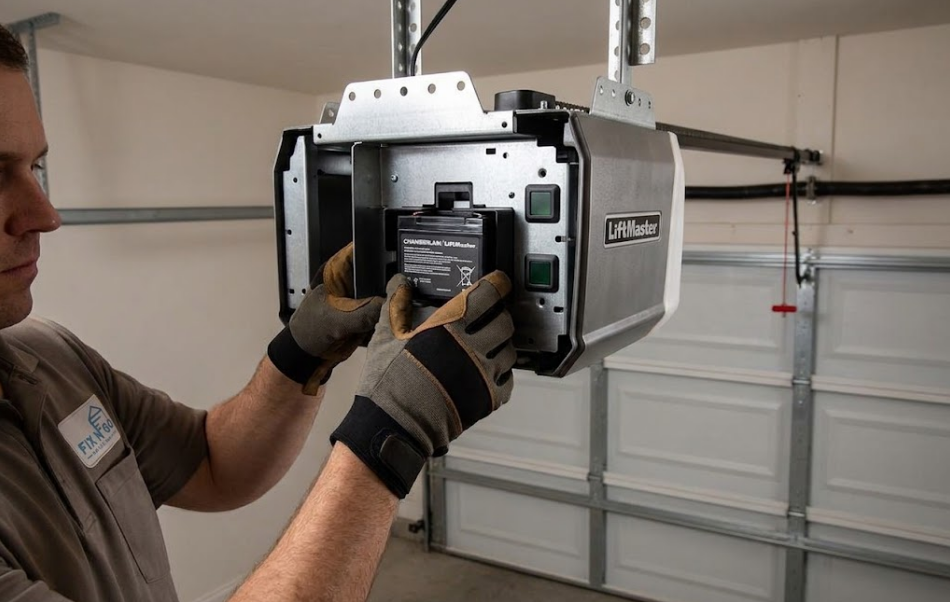
The opener works harder during winter, especially if components are stiff.
- Check Motor Settings: Some openers allow sensitivity adjustments. Slightly increasing force settings (within manufacturer limits) can help during colder months.
- Keep the Opener Area Warm: If possible, insulate the garage ceiling to reduce temperature drops near the opener.
A protected opener lasts longer and reduces winter breakdowns.
Schedule Professional Winter Maintenance
While homeowners can handle basic care, professional inspections add an extra layer of protection.
Technicians can:
- Check spring tension
- Align tracks
- Inspect weather seals
- Identify early signs of wear
Professional servicing ensures your winter-proofing efforts are complete and safe.
Common Winter Mistakes to Avoid
Many winter roller door issues result from simple mistakes, such as:
- Using water to clean tracks in freezing weather
- Ignoring unusual noises
- Applying the wrong type of lubricant
- Delaying repairs until the door fails completely
Avoiding these mistakes is part of understanding how to winter-proof your roller doors effectively.
Long-Term Benefits of Winter-Proofing Roller Doors
Taking time to winter-proof your roller doors offers long-term advantages:
- Fewer emergency repairs
- Lower energy costs
- Quieter operation
- Extended door lifespan
- Improved home comfort
These benefits make winter preparation a smart and cost-effective investment.
Frequently Asked Questions (FAQ)
Q: How often should I winter-proof my roller doors?
A: Winter-proofing should be done once before cold weather begins, with periodic checks throughout winter.
Q: Can roller doors freeze shut?
A: Yes. Moisture combined with freezing temperatures can cause doors to stick or freeze in place.
Q: What lubricant is best for winter roller doors?
A: Silicone-based or garage-door-specific lubricants work best in cold temperatures.
Q: Is insulation necessary for roller doors?
A: Insulation is highly recommended, especially for attached garages, as it reduces heat loss and drafts.
Q: When should I call a professional?
A: If the door is unbalanced, noisy, or difficult to operate, professional service is advised before winter worsens the problem.
Conclusion
Knowing how to winter-proof your roller doors helps protect your home from cold-weather damage, improves energy efficiency, and ensures reliable performance throughout winter. With proper inspection, cleaning, lubrication, insulation, and professional support when needed, homeowners can avoid common winter issues and costly repairs. A little preparation now goes a long way in keeping your roller doors safe, smooth, and dependable all season long.
You might also like
Fix N Go Blog