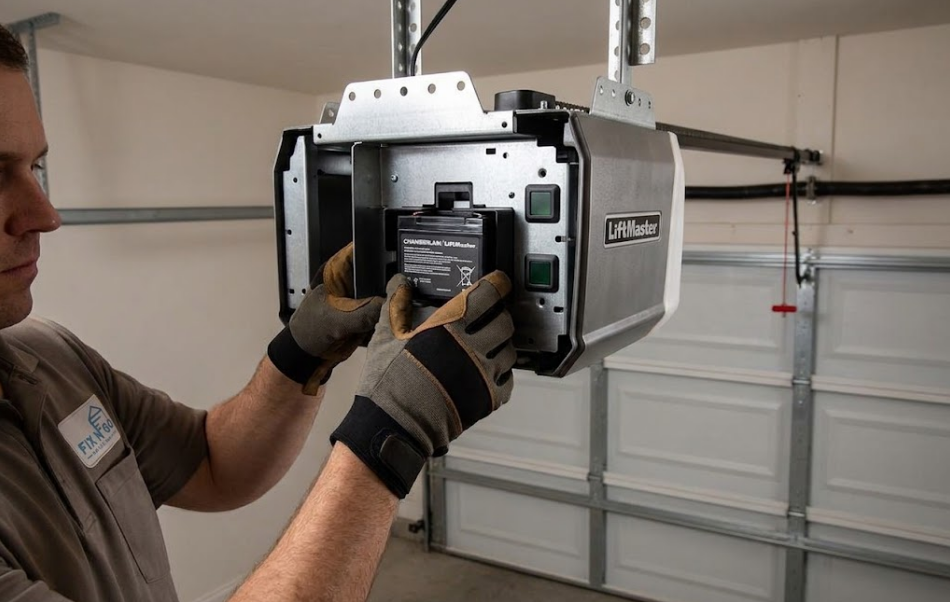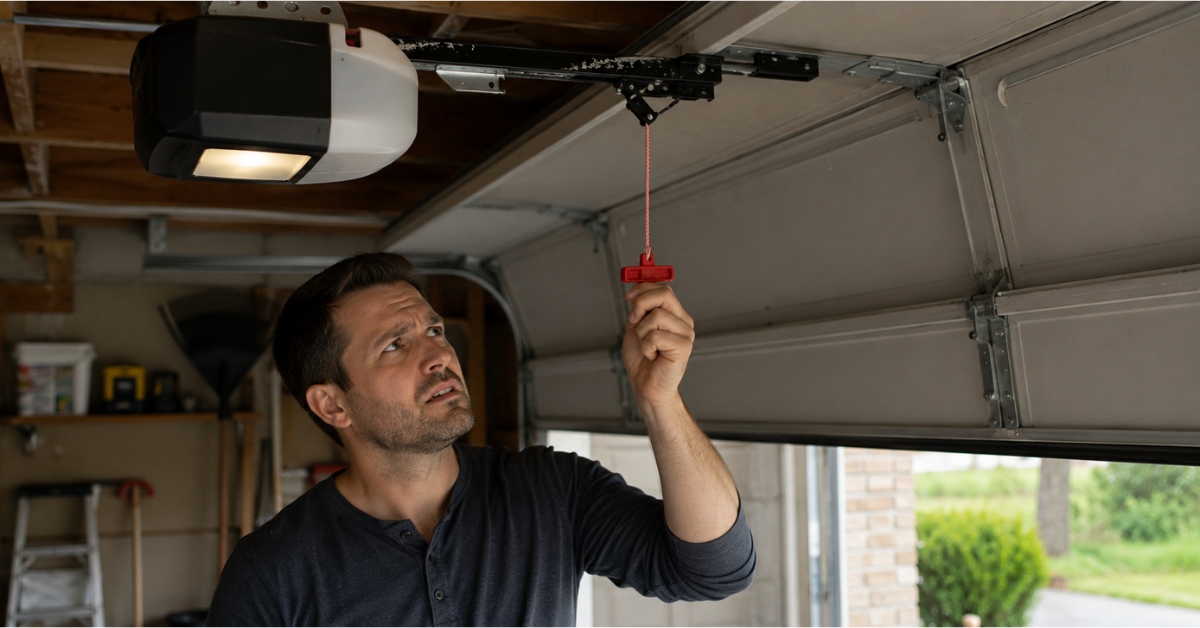
Why Get A Remote Controlled Electric Garage Door?

Rabia Tingat • May 17, 2025

We live in an era in which convenience and security are closely entwined. One innovation that offers both is the remote-controlled electric garage door. If you're still opening your garage door manually, it might be time to consider upgrading. Not only does an electric garage door make daily routines easier, but it also enhances your home’s safety, energy efficiency, and curb appeal. Let’s explore the top reasons why investing in a remote-controlled garage door is a smart move for homeowners.


1. Convenience at Your Fingertips


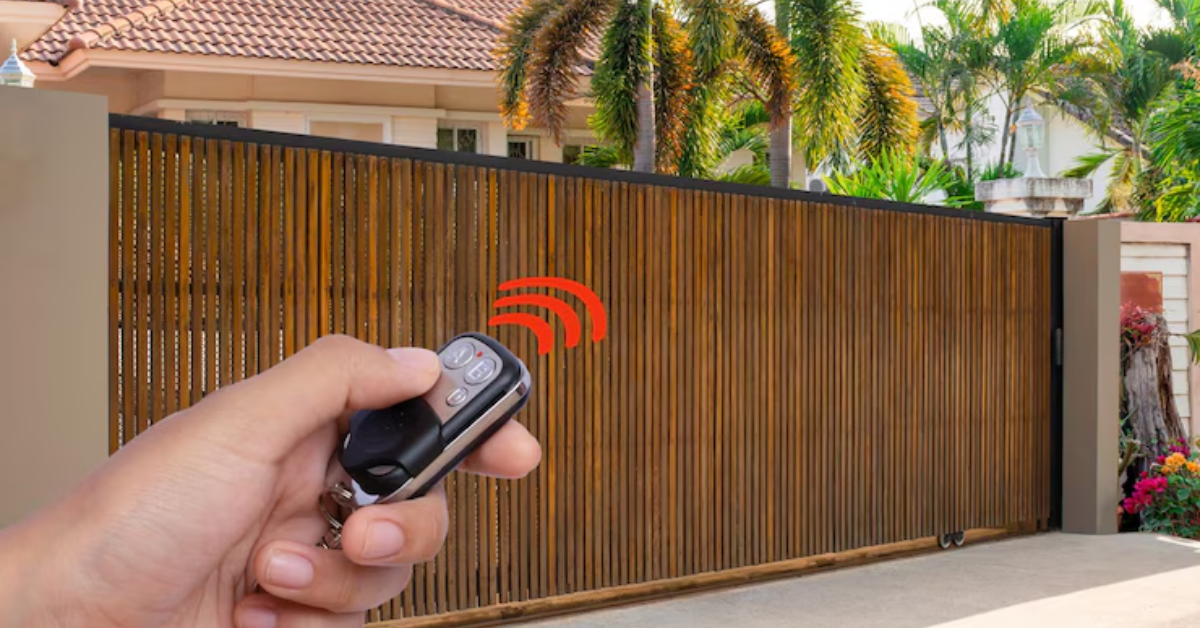
One of the biggest benefits of a remote-controlled garage door is the unmatched convenience it provides. With just a click of a button, you can open or close your garage without leaving your car. This is especially helpful during bad weather, late-night arrivals, or when you're in a rush. No more lifting heavy doors or fumbling with keys.

Many systems now also come with smartphone apps, allowing you to control your garage from virtually anywhere. This automated garage door technology can be synced with home assistants like Alexa or Google Home, giving you full access with voice commands.


2. Improved Home Security


A major concern for homeowners is security. Manual garage doors can be left open by accident or even broken into more easily. In contrast, electric garage doors with remote control access often include automatic locking systems, motion sensors, and rolling code technology, which constantly changes the entry code to prevent hacking.

You can also monitor and control your garage access remotely, ensuring your home is protected even when you’re away. Some models even allow you to receive alerts when your garage door is opened, giving you real-time updates for extra peace of mind.


3. Enhanced Safety Features


Older garage doors can be heavy and difficult to operate, increasing the risk of injuries—especially for children or seniors. Modern electric garage doors come with built-in safety features like obstacle detection and auto-reverse mechanisms. If the door detects something in its path, it immediately stops and reverses to prevent accidents. These automated safety features make electric garage doors a better choice for families who prioritize the well-being of their loved ones.


4. Energy Efficiency and Insulation


Many modern remote-controlled garage doors are made with insulated materials, helping maintain indoor temperatures and reduce energy bills. An insulated electric garage door prevents cold air from entering during winter and keeps the garage cool in the summer.

If your garage is attached to your home, this can significantly affect your home’s overall energy efficiency. Better insulation means less strain on your heating and cooling systems, which is not only good for the environment but also your wallet.


5. Increases Property Value


A stylish, functional electric garage door can enhance your home’s curb appeal and even boost its resale value. Buyers today are looking for smart home features, and a remote-controlled garage door system ticks that box. It shows that the home is modern, secure, and easy to live in. From a real estate perspective, it's a relatively small investment that can make a big difference when it comes time to sell.


6. Quiet and Smooth Operation


Gone are the days of noisy, clunky garage doors. Remote-controlled models now offer quiet operation, which is especially important if your garage is close to a bedroom or living area. The smooth and silent performance of an electric garage door ensures no disruptions to your daily life. This modern touch adds a layer of comfort and refinement that you’ll appreciate every day.


7. Low Maintenance and Long Lifespan


Contrary to what some may think, electric garage doors are generally low-maintenance. Most models are built with quality materials and smart technology that reduces wear and tear. Routine maintenance, like checking sensors and lubricating tracks, keeps the system running smoothly for years. And because these doors are motorized and often used with precision, they tend to have a longer lifespan than manual alternatives.


Final Thoughts


If you're still wondering whether to switch to a remote-controlled electric garage door, the answer is clear—yes, it’s worth it. From increased home security and energy efficiency to modern convenience and added property value, the benefits are hard to ignore.

Making the switch means fewer daily hassles and more peace of mind. Whether you're building a new home or upgrading an old system, investing in a remote-controlled garage door is a practical and forward-thinking decision.

Embrace smarter living with the touch of a button—and enjoy the simplicity, safety, and style that come with it.
You might also like

Fix N Go Blog
Why Won’t My Commercial Garage Door Open or Close?
By Rabia Tingat February 16, 2026
Commercial garage door not opening or closing? Learn the most common causes, quick checks, safe fixes, and when to call a pro.
What Size Commercial Garage Door Do I Need?
By Rabia Tingat February 15, 2026
Choosing the right size commercial garage door is one of the most important decisions you’ll make for your building. Whether you’re running a warehouse, auto repair shop, fire station, or retail loading dock, the wrong door size can slow operations, damage vehicles, and lead to expensive modifications later. If you’re asking, “What size commercial garage door do I need?” you’re not alone. Many business owners assume there’s a universal size, but commercial garage doors vary widely depending on use, building layout, and equipment requirements. In this guide, we’ll walk through standard commercial garage door sizes, how to measure properly, and how to choose the right size based on your specific business needs—without overcomplicating things. Why Commercial Garage Door Size Matters Unlike residential doors, commercial garage doors are built for heavy-duty use. They must accommodate larger vehicles, frequent opening cycles, and strict safety standards. Choosing the wrong size can cause daily operational issues, such as vehicles scraping frames or inefficient loading workflows. The correct size ensures: Smooth vehicle entry and exit Safer operations Proper sealing and insulation Long-term durability Essential Maintenance Tips for High-Traffic Commercial Garage Doors Standard Commercial Garage Door Sizes While custom sizing is common, there are several standard commercial garage door sizes used across industries. Most commercial garage doors range from 8 to 14 feet high and 10 to 24 feet wide . However, these are general ranges—not rules. Smaller service bays and workshops often use doors closer to the lower end, while warehouses and loading docks require much larger openings. Common Commercial Garage Door Sizes by Industry Auto Repair Shops and Service Bays: Auto shops typically need doors large enough to accommodate cars, SUVs, and light trucks. A common size is 10 feet wide by 10 feet high , though larger shops may use 12×12 feet doors for added clearance. Warehouses and Distribution Centers: Warehouses require larger doors to accommodate box trucks, forklifts, and pallet movement. Many facilities use doors ranging from 12×14 feet to 18×18 feet . For high-volume logistics operations, even larger custom doors may be necessary. Loading Docks: Loading dock doors are often standardized to align with truck bed heights. A typical commercial overhead door size for loading docks is 8×9 feet or 9×10 feet , depending on dock design and truck types. Fire Stations and Emergency Facilities: Fire stations require tall doors to allow quick exit for emergency vehicles. Common sizes include 14×14 feet or 14×16 feet , ensuring adequate clearance for fire engines and equipment. How to Measure for a Commercial Garage Door Before deciding on a door size, accurate measurements are critical. Measuring incorrectly is one of the most common mistakes businesses make. You’ll need to measure: Width of the opening (side to side) Height of the opening (floor to top) Headroom (space above the opening) Sideroom (space on both sides of the opening) Backroom (depth inside the building) These measurements help determine not only the door size but also the type of door system that will work best. What Size Commercial Garage Door Do I Need for My Vehicles? Vehicle clearance is one of the biggest deciding factors. A good rule is to choose a door that’s at least 2–3 feet taller and wider than your largest vehicle. This extra space reduces the risk of damage and makes daily operations smoother. If your business plans to upgrade vehicles in the future, it’s wise to size up now rather than replace the door later. How Long Do Commercial Garage Doors Last? Door Type Affects Size Requirements The type of commercial garage door you choose can also influence size considerations. Sectional Overhead Doors : These doors open vertically and slide along the ceiling. They’re common and flexible, but they require adequate headroom and backroom. Rolling Steel Doors: Rolling doors coil above the opening, making them ideal for tight spaces. They often work well for wider openings but may have height limitations depending on the coil size. High-Speed Doors : High-speed commercial doors are designed for frequent use and often require precise sizing to maintain performance and safety. Custom vs Standard Commercial Garage Door Sizes If your building doesn’t match standard dimensions, custom sizing may be necessary. Custom doors are common in older buildings, industrial facilities, and specialized operations. While custom doors cost more upfront, they ensure proper fit and long-term efficiency. In many cases, custom sizing is the correct answer to what size commercial garage door do I need. Insulation and Size Considerations Larger doors allow more air transfer, which can impact energy efficiency. If temperature control matters, insulated doors with proper sealing are essential—especially for tall or wide openings. Choosing the right size and insulation together helps control energy costs. Local Building Codes and Regulations Some municipalities have regulations that affect commercial garage door dimensions, especially for fire safety, wind load, and accessibility. Before finalizing your door size, it’s important to check local building codes to avoid costly changes later. Planning for Future Growth One mistake many businesses make is sizing a door only for current needs. If you expect business growth, larger vehicles, or increased traffic, choosing a slightly larger door now can save money and disruption later. Professional Site Assessment Matters While online guides are helpful, a professional site inspection is often the best way to determine the correct size. Experienced installers consider structural support, workflow, and safety—not just measurements. Cost Impact of Door Size Larger commercial garage doors cost more—not just for the door itself, but also for installation, motors, and maintenance. However, choosing a door that’s too small can be even more expensive in the long run due to inefficiency and damage. Conclusion So, what size commercial garage door do I need? The answer depends on your industry, vehicle size, building layout, and future plans. Standard sizes work for many businesses, but custom sizing is often the smartest solution for long-term efficiency and safety. By measuring carefully, understanding your operational needs, and planning ahead, you can choose a commercial garage door that supports your business instead of limiting it. When in doubt, a professional assessment can help you make the right decision the first time. Frequently Asked Questions (FAQ) Q: What is the standard commercial garage door size? A: Standard sizes typically range from 10–24 feet wide and 8–14 feet high , depending on application. Q: How tall should a commercial garage door be? A: The door should be at least 2–3 feet taller than your tallest vehicle or equipment. Q: Can I get a custom-sized commercial garage door? A: Yes, many commercial garage doors are custom-built to fit non-standard openings. Q: Are larger commercial garage doors more expensive? A: Yes, larger doors cost more upfront but often improve efficiency and reduce long-term issues. Q: Should I size my door for future needs? A: Absolutely. Planning for future growth can save significant replacement costs later.
Can Commercial Garage Doors Be Customized?
By Rabia Tingat February 10, 2026
Learn how commercial garage doors can be customized for size, material, insulation, security, and branding to match your business needs.