Are Roll Up Garage Doors Good?
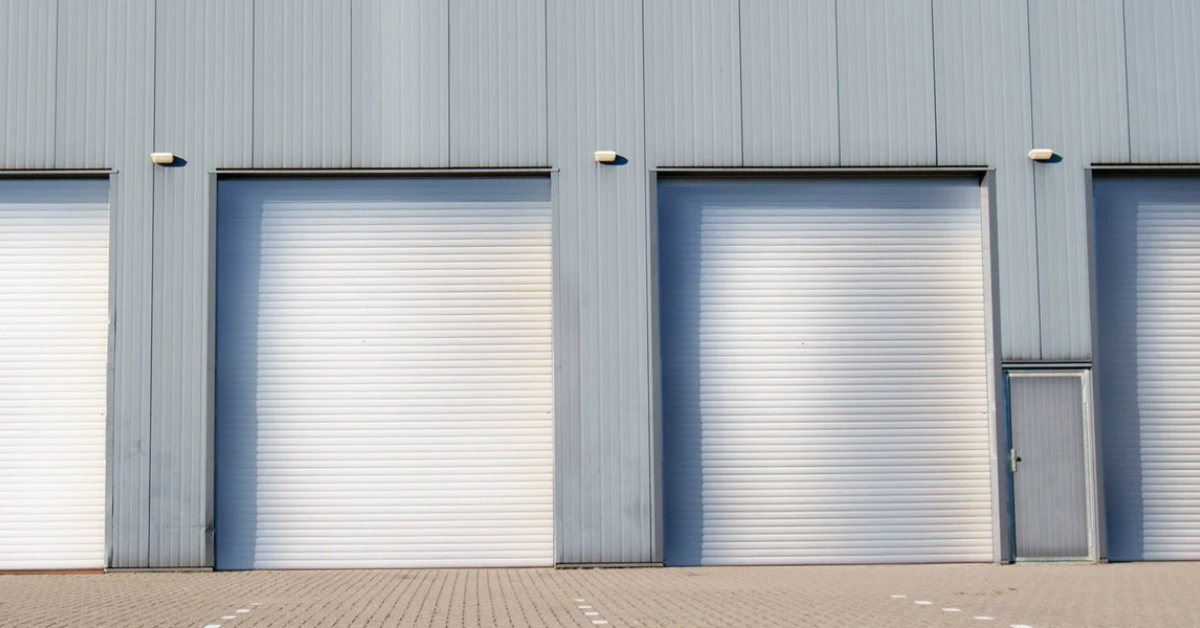
Roll up garage doors have become increasingly popular options for homeowners seeking practicality, efficiency, and security in their garage entryways. Unlike traditional garage doors that swing out or slide to the side, roll up garage doors operate vertically, rolling upward into a compact coil when opened. This innovative design maximizes space both inside and outside the garage, making them an attractive choice for properties with limited driveway or ceiling clearance.
In this comprehensive analysis, we delve into the question: Are roll up garage doors good? We'll explore the various advantages and disadvantages associated with these types of doors, comparing them to traditional options, and considering important factors to help you make an informed decision for your home. Whether you're in the midst of a home renovation or contemplating a garage door replacement, this guide aims to provide valuable insights to assist you in determining if roll up garage doors are the right choice for your needs.
Advantages of Roll Up Garage Doors
Roll up garage doors offer several compelling advantages that make them a popular choice among homeowners. Here's a comprehensive look at some of the key benefits:
Space-Saving Design
One of the standout features of roll up garage doors is their space-saving design. Unlike traditional overhead garage doors that swing out or slide along tracks, roll up doors operate vertically. This vertical operation allows the door to roll upward into a compact coil, neatly tucked away under the ceiling when opened. As a result, roll up garage doors maximize the available space both inside and outside the garage, making them ideal for properties with limited driveway space or ceiling clearance. This space-saving design can also be advantageous for homeowners looking to maximize storage or workspace within their garage.
Durability and Longevity
Roll up garage doors are engineered for durability and built to withstand the rigors of daily use and exposure to the elements. Typically constructed from high-quality materials such as steel, aluminum, or fiberglass, roll up doors are designed to resist rust, corrosion, and dents, ensuring long-term performance and longevity. Additionally, the compact coil design of roll up doors helps to distribute the weight evenly across the door, reducing stress on the components and extending the door's lifespan. With proper maintenance and care, roll up garage doors can provide years of reliable operation without the need for frequent repairs or replacement.
Security Features
Security is a top priority for homeowners when it comes to protecting their property and belongings. Roll up garage doors offer several security features that help to enhance the safety and security of the garage space. Many roll up doors are equipped with sturdy locking mechanisms, such as deadbolts or padlocks, which provide an additional layer of security against unauthorized access. Also, the compact coil design of roll up doors eliminates the need for external locks or handles, making it more difficult for intruders to tamper with or force open the door. Some roll up doors also come with reinforced tracks and bottom seals to prevent forced entry and deter intruders. Overall, the enhanced security features of roll up garage doors provide homeowners with peace of mind knowing that their garage and belongings are well-protected against theft and vandalism.
Disadvantages of Roll Up Garage Doors
While roll up garage doors offer many benefits, it's important to consider some potential drawbacks before making a decision. Here are a few disadvantages to keep in mind:
Initial Cost
One of the primary drawbacks of roll up garage doors is their higher initial cost compared to traditional overhead garage doors. Roll up doors typically involve more complex mechanisms and construction, which can contribute to a higher upfront expense for purchase and installation. Additionally, factors such as material quality, size, and insulation options can further influence the overall cost. While roll up doors may require a larger initial investment, it's essential to consider the long-term benefits and durability they offer, which may justify the higher upfront cost over time.
Limited Design Options
Unlike traditional garage doors, which come in a wide range of styles, colors, and materials, roll up garage doors often have more limited design options available. Roll up doors typically feature a utilitarian and minimalist design, prioritizing functionality over aesthetic appeal. While there are variations in materials and finishes, such as steel, aluminum, or fiberglass, the design choices may be somewhat restricted compared to traditional garage doors. Homeowners seeking a specific aesthetic or architectural style for their garage facade may find the design options for roll up doors somewhat limiting.
Potential Maintenance Requirements
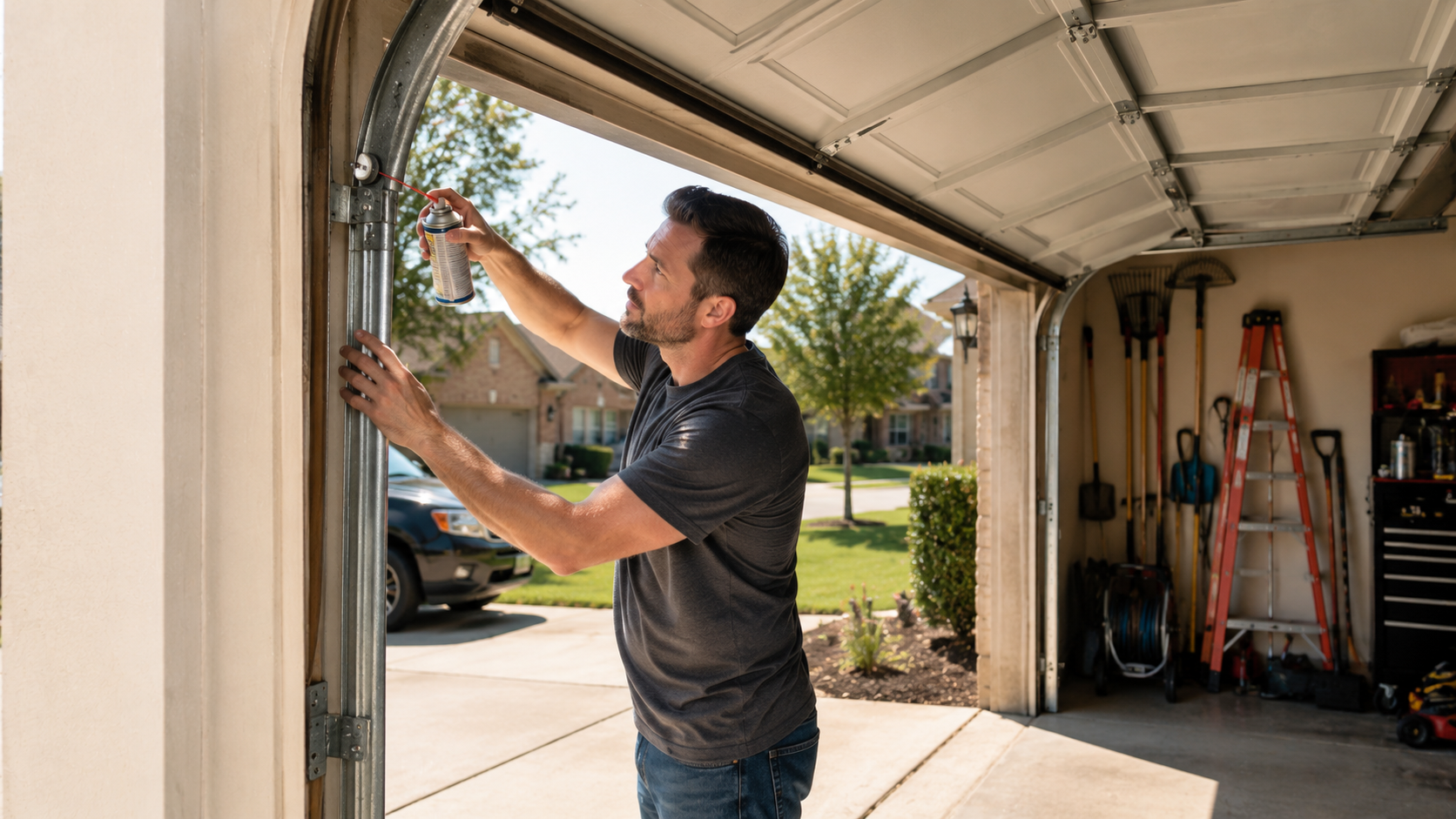
Although roll up garage doors are known for their durability and longevity, they may require regular maintenance to ensure optimal performance over time. Depending on factors such as climate, usage frequency, and environmental conditions, roll up doors may be susceptible to wear and tear, requiring periodic inspections, lubrication, and adjustments to maintain smooth operation. Also, components such as springs, tracks, and rollers may need occasional replacement or repair, which can incur additional maintenance costs. While proper upkeep can help minimize the need for repairs and prolong the lifespan of roll up garage doors, homeowners should be prepared to invest time and resources in ongoing maintenance efforts.
Comparison with Traditional Garage Doors
When deciding between roll up garage doors and traditional garage doors, it's essential to consider various factors that can impact their performance, functionality, and suitability for your specific needs. Here's a comparison highlighting key differences between the two types of garage doors:
Size and Space Considerations
Roll up garage doors are designed to operate vertically, rolling upward into a compact coil when opened. This vertical operation minimizes the space required both inside and outside the garage, making roll up doors an excellent choice for properties with limited driveway space or ceiling clearance.
Traditional garage doors typically operate horizontally, swinging out or sliding along tracks when opened. Depending on the style and configuration, traditional doors may require more clearance space both inside and outside the garage, potentially limiting the available space for parking or storage.
Operational Mechanisms
Roll up garage doors utilize a vertical operation mechanism, which involves rolling the door upward into a coil using tracks mounted on the sides of the door opening. This design allows for smooth and efficient operation, with minimal space requirements and no need for additional clearance space for door movement.
Traditional garage doors may operate using various mechanisms, including swing-out, swing-up, or slide-to-the-side mechanisms. These operational styles require adequate clearance space for the door panels to move without obstruction, which may limit placement options for vehicles or other objects near the door.
Maintenance Needs
Roll up garage doors are typically low-maintenance due to their simple and efficient design. With fewer moving parts and components exposed to the elements, roll up doors may require less frequent maintenance compared to traditional garage doors. Regular inspections, lubrication of tracks and rollers, and occasional adjustments are generally sufficient to maintain the smooth operation of roll up garage doors.
Traditional garage doors may require more frequent maintenance due to their complex operational mechanisms and exposed components. Hinges, springs, tracks, and rollers may be subject to wear and tear over time, requiring periodic inspections, lubrication, and adjustments to ensure proper functionality. Additionally, weatherstripping and insulation may need replacement or repair to maintain energy efficiency and weather resistance.
Factors to Consider Before Installing Roll Up Garage Doors
Before making the decision to install roll up garage doors, it's important to consider several factors to ensure they meet your specific needs and preferences. Here are some key considerations:
Homeowner's Needs and Preferences
Usage Requirements: Evaluate how you intend to use your garage space. Consider factors such as frequency of use, primary vehicle size, and whether the garage will be used for storage, workshops, or other activities. Understanding your usage requirements will help determine the appropriate size, style, and features needed for your roll up garage doors.
Aesthetic Preferences:
Think about the overall look and feel you want to achieve for your home's exterior. Roll up garage doors come in various materials, finishes, and design options, so choose a style that complements the architectural style and color scheme of your home.
Budget Considerations
Upfront Costs: Determine your budget for purchasing and installing roll up garage doors. Consider factors such as door size, material quality, insulation options, and any additional features or accessories you may want. Obtain quotes from multiple suppliers or contractors to compare prices and find options that fit within your budget.
Long-term Costs:
In addition to upfront costs, consider the long-term costs associated with maintaining and operating roll up garage doors. While higher-quality doors may have a higher initial investment, they may also offer better durability and energy efficiency, potentially reducing maintenance and utility costs over time.
Climate and Environmental Factors
Weather Resistance: Consider the climate and weather conditions in your area. Roll up garage doors should be able to withstand exposure to heat, cold, moisture, and extreme weather events such as high winds or heavy precipitation. Choose doors made from durable materials that offer adequate weather resistance and insulation to protect your garage and belongings.
Environmental Impact:
Take into account environmental factors such as sunlight exposure, air quality, and potential environmental hazards in your area. Select materials and finishes that are eco-friendly and sustainable, minimizing the environmental impact of your garage door installation.
Trust Fix N Go for Roll Up Garage Door Repairs
If you find yourself in need of repair services for your roll up garage door, consider entrusting the task to Fix N Go, a reputable garage door repair company. With our expertise and commitment to customer satisfaction, Fix N Go specializes in efficiently addressing a wide range of issues that may arise with roll up garage doors, ensuring prompt and reliable solutions. Whether it's a malfunctioning mechanism, damaged components, or general wear and tear, their skilled technicians possess the knowledge and tools necessary to diagnose and rectify the problem effectively. By choosing Fix N Go, you can rest assured that your roll up garage door will be restored to optimal functionality in no time, allowing you to enjoy seamless access to your garage space once again.
Conclusion
After examining the various advantages and disadvantages of roll up garage doors, it becomes evident that they offer a range of benefits, including space-saving design, durability, and enhanced security features. While there are some drawbacks to consider, such as initial cost and limited design options, the overall consensus leans towards the positive aspects of roll up garage doors. Therefore, for homeowners seeking practicality, efficiency, and security in their garage entryways, roll up doors prove to be a good choice. However, it is essential to weigh individual preferences and requirements before making a final decision.
You might also like
Fix N Go Blog