Can an Electric Roller Garage Door Be Opened Manually?

Rabia Tingat • August 18, 2025

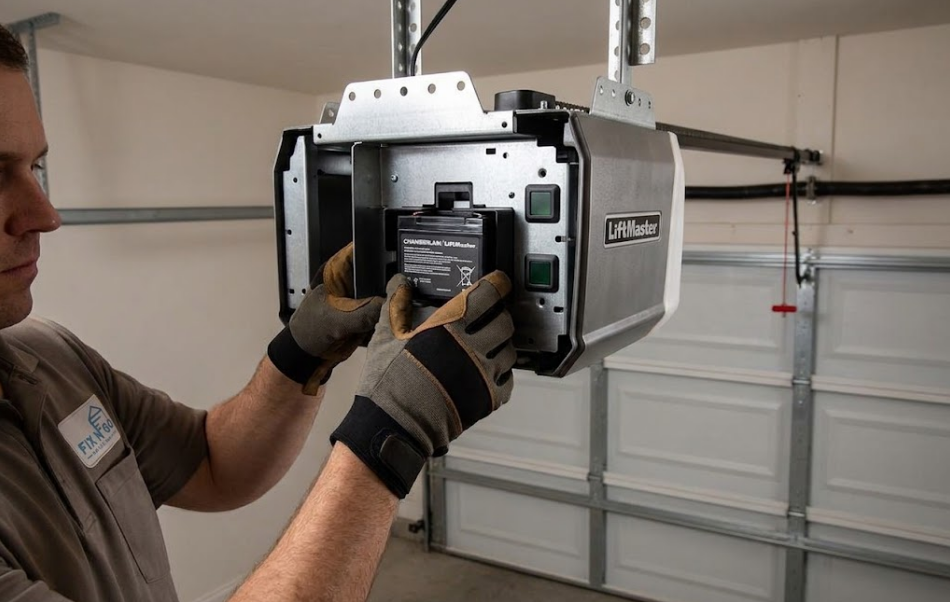
Electric roller garage doors are one of those modern upgrades that make life easier. With a simple press of a button, the door quietly rolls up or down, keeping your garage secure while saving you the hassle of heavy lifting. But what happens when there’s a power cut or the motor stops working? Many homeowners wonder: can an electric roller garage door be opened manually?


The short answer is yes—you can. But the way you do it depends on whether your door has a manual override system. Let’s break this down in a way that’s easy to understand.


How Electric Roller Garage Doors Normally Work


Unlike the older, heavy up-and-over doors, roller garage doors operate on a motorized system. The motor winds the door into a compact roll above the opening, which makes them space-saving and neat.

Most models also include built-in safety features, like stopping automatically if something is in the way, and advanced locking systems for security.

The catch? If the electricity goes out, the motor fails, or the remote battery dies, you need another way to get inside. That’s where the manual override comes in.


Are Roll Up Garage Doors Good


What Is a Manual Override?


A manual override is a simple backup system that allows you to operate the door without electricity. Almost all modern roller garage doors include one.


There are two main types:


  • Internal manual override: Found inside the garage. Usually a handle or cord that disconnects the motor so you can lift the door by hand.

  • External manual override: Essential if your garage has no side entrance. With this option, you use a key from the outside to unlock the mechanism and manually open the door.

Without an override, you could end up locked out—or unable to secure the garage in an emergency.


How to Open an Electric Roller Garage Door Manually


If you ever need to open your roller garage door without power, here’s what usually works (though always check your manufacturer’s instructions):


  1. Switch off the power – Make sure the motor is turned off so it doesn’t suddenly kick in when the power returns.

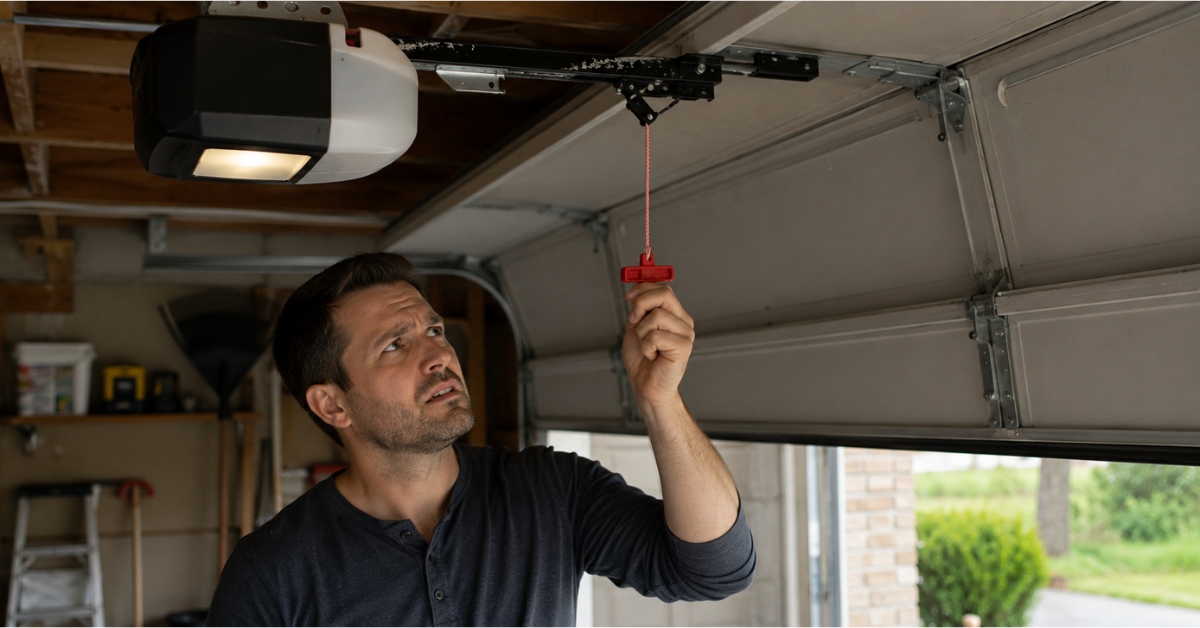
  2. Locate the release cord or handle – It’s often a red cord hanging down from the motor area.

  3. Pull firmly – This disconnects the motor from the door.

  4. Lift the door slowly – The springs will assist you, but the door may still feel heavy.

  5. Secure it – If you leave the door open, make sure it won’t roll back down on its own.

  6. Reconnect once power is back – Pull the cord again or follow the manual to re-engage the motor.

It’s not difficult, but it does require a little effort and care.


Can Roll Up Garage Doors Be Automated


Common Problems You Might Face


Opening your garage door manually isn’t always smooth sailing. Some homeowners run into issues like:


  • A very heavy door – If the springs are worn out, lifting it may feel harder than it should.

  • A jammed mechanism – Dirt, rust, or lack of lubrication can cause the door to stick.

  • Lost override key – If you rely on an external key system, keep a spare somewhere safe.

These problems are why regular maintenance matters.


Why It’s Important to Have Manual Access


Being able to open your garage door manually isn’t just about convenience—it’s about safety and security too.


  • During a power outage, you don’t want to be stuck outside or unable to get your car out.

  • If there’s a fire or emergency, fast manual access could be essential.

  • Even for peace of mind, knowing you can still lock and unlock your garage without electricity is reassuring.

It’s a small feature that makes a big difference.


Keeping Your Door in Good Shape


Like anything mechanical, your garage door works best when looked after. Here are a few tips to make sure it runs smoothly both electrically and manually:


  • Test the manual override every now and then so you’re confident it works.

  • Keep moving parts lubricated to prevent stiffness and rust.

  • Get the springs checked if the door feels unusually heavy.

  • Replace your remote batteries before they completely die.

  • Book a professional service once a year for peace of mind.

A little care goes a long way in preventing bigger, more expensive problems.


Choosing the Right Roller Garage Door


If you’re thinking about installing a new roller garage door, make sure the model you pick has a reliable manual override. Look for one that’s easy to use, offers both internal and external options, and comes with a good warranty. This way, you’ll always have a backup plan.


Final Thoughts


So, can an electric roller garage door be opened manually? Yes—it can. Thanks to the built-in manual override system, you can still access your garage when the power’s out or the motor fails.

While it might not be as effortless as pressing a button, it’s straightforward once you know how. The key is to understand how your override works, test it occasionally, and keep your door maintained. That way, you’ll never be caught off guard.

An electric roller garage door offers convenience, security, and style—but having manual access ensures you’re always in control, no matter what.
You might also like

Fix N Go Blog
Why Won’t My Commercial Garage Door Open or Close?
By Rabia Tingat February 16, 2026
Commercial garage door not opening or closing? Learn the most common causes, quick checks, safe fixes, and when to call a pro.
What Size Commercial Garage Door Do I Need?
By Rabia Tingat February 15, 2026
Choosing the right size commercial garage door is one of the most important decisions you’ll make for your building. Whether you’re running a warehouse, auto repair shop, fire station, or retail loading dock, the wrong door size can slow operations, damage vehicles, and lead to expensive modifications later. If you’re asking, “What size commercial garage door do I need?” you’re not alone. Many business owners assume there’s a universal size, but commercial garage doors vary widely depending on use, building layout, and equipment requirements. In this guide, we’ll walk through standard commercial garage door sizes, how to measure properly, and how to choose the right size based on your specific business needs—without overcomplicating things. Why Commercial Garage Door Size Matters Unlike residential doors, commercial garage doors are built for heavy-duty use. They must accommodate larger vehicles, frequent opening cycles, and strict safety standards. Choosing the wrong size can cause daily operational issues, such as vehicles scraping frames or inefficient loading workflows. The correct size ensures: Smooth vehicle entry and exit Safer operations Proper sealing and insulation Long-term durability Essential Maintenance Tips for High-Traffic Commercial Garage Doors Standard Commercial Garage Door Sizes While custom sizing is common, there are several standard commercial garage door sizes used across industries. Most commercial garage doors range from 8 to 14 feet high and 10 to 24 feet wide . However, these are general ranges—not rules. Smaller service bays and workshops often use doors closer to the lower end, while warehouses and loading docks require much larger openings. Common Commercial Garage Door Sizes by Industry Auto Repair Shops and Service Bays: Auto shops typically need doors large enough to accommodate cars, SUVs, and light trucks. A common size is 10 feet wide by 10 feet high , though larger shops may use 12×12 feet doors for added clearance. Warehouses and Distribution Centers: Warehouses require larger doors to accommodate box trucks, forklifts, and pallet movement. Many facilities use doors ranging from 12×14 feet to 18×18 feet . For high-volume logistics operations, even larger custom doors may be necessary. Loading Docks: Loading dock doors are often standardized to align with truck bed heights. A typical commercial overhead door size for loading docks is 8×9 feet or 9×10 feet , depending on dock design and truck types. Fire Stations and Emergency Facilities: Fire stations require tall doors to allow quick exit for emergency vehicles. Common sizes include 14×14 feet or 14×16 feet , ensuring adequate clearance for fire engines and equipment. How to Measure for a Commercial Garage Door Before deciding on a door size, accurate measurements are critical. Measuring incorrectly is one of the most common mistakes businesses make. You’ll need to measure: Width of the opening (side to side) Height of the opening (floor to top) Headroom (space above the opening) Sideroom (space on both sides of the opening) Backroom (depth inside the building) These measurements help determine not only the door size but also the type of door system that will work best. What Size Commercial Garage Door Do I Need for My Vehicles? Vehicle clearance is one of the biggest deciding factors. A good rule is to choose a door that’s at least 2–3 feet taller and wider than your largest vehicle. This extra space reduces the risk of damage and makes daily operations smoother. If your business plans to upgrade vehicles in the future, it’s wise to size up now rather than replace the door later. How Long Do Commercial Garage Doors Last? Door Type Affects Size Requirements The type of commercial garage door you choose can also influence size considerations. Sectional Overhead Doors : These doors open vertically and slide along the ceiling. They’re common and flexible, but they require adequate headroom and backroom. Rolling Steel Doors: Rolling doors coil above the opening, making them ideal for tight spaces. They often work well for wider openings but may have height limitations depending on the coil size. High-Speed Doors : High-speed commercial doors are designed for frequent use and often require precise sizing to maintain performance and safety. Custom vs Standard Commercial Garage Door Sizes If your building doesn’t match standard dimensions, custom sizing may be necessary. Custom doors are common in older buildings, industrial facilities, and specialized operations. While custom doors cost more upfront, they ensure proper fit and long-term efficiency. In many cases, custom sizing is the correct answer to what size commercial garage door do I need. Insulation and Size Considerations Larger doors allow more air transfer, which can impact energy efficiency. If temperature control matters, insulated doors with proper sealing are essential—especially for tall or wide openings. Choosing the right size and insulation together helps control energy costs. Local Building Codes and Regulations Some municipalities have regulations that affect commercial garage door dimensions, especially for fire safety, wind load, and accessibility. Before finalizing your door size, it’s important to check local building codes to avoid costly changes later. Planning for Future Growth One mistake many businesses make is sizing a door only for current needs. If you expect business growth, larger vehicles, or increased traffic, choosing a slightly larger door now can save money and disruption later. Professional Site Assessment Matters While online guides are helpful, a professional site inspection is often the best way to determine the correct size. Experienced installers consider structural support, workflow, and safety—not just measurements. Cost Impact of Door Size Larger commercial garage doors cost more—not just for the door itself, but also for installation, motors, and maintenance. However, choosing a door that’s too small can be even more expensive in the long run due to inefficiency and damage. Conclusion So, what size commercial garage door do I need? The answer depends on your industry, vehicle size, building layout, and future plans. Standard sizes work for many businesses, but custom sizing is often the smartest solution for long-term efficiency and safety. By measuring carefully, understanding your operational needs, and planning ahead, you can choose a commercial garage door that supports your business instead of limiting it. When in doubt, a professional assessment can help you make the right decision the first time. Frequently Asked Questions (FAQ) Q: What is the standard commercial garage door size? A: Standard sizes typically range from 10–24 feet wide and 8–14 feet high , depending on application. Q: How tall should a commercial garage door be? A: The door should be at least 2–3 feet taller than your tallest vehicle or equipment. Q: Can I get a custom-sized commercial garage door? A: Yes, many commercial garage doors are custom-built to fit non-standard openings. Q: Are larger commercial garage doors more expensive? A: Yes, larger doors cost more upfront but often improve efficiency and reduce long-term issues. Q: Should I size my door for future needs? A: Absolutely. Planning for future growth can save significant replacement costs later.
Can Commercial Garage Doors Be Customized?
By Rabia Tingat February 10, 2026
Learn how commercial garage doors can be customized for size, material, insulation, security, and branding to match your business needs.