Can Commercial Garage Doors Be Automated?
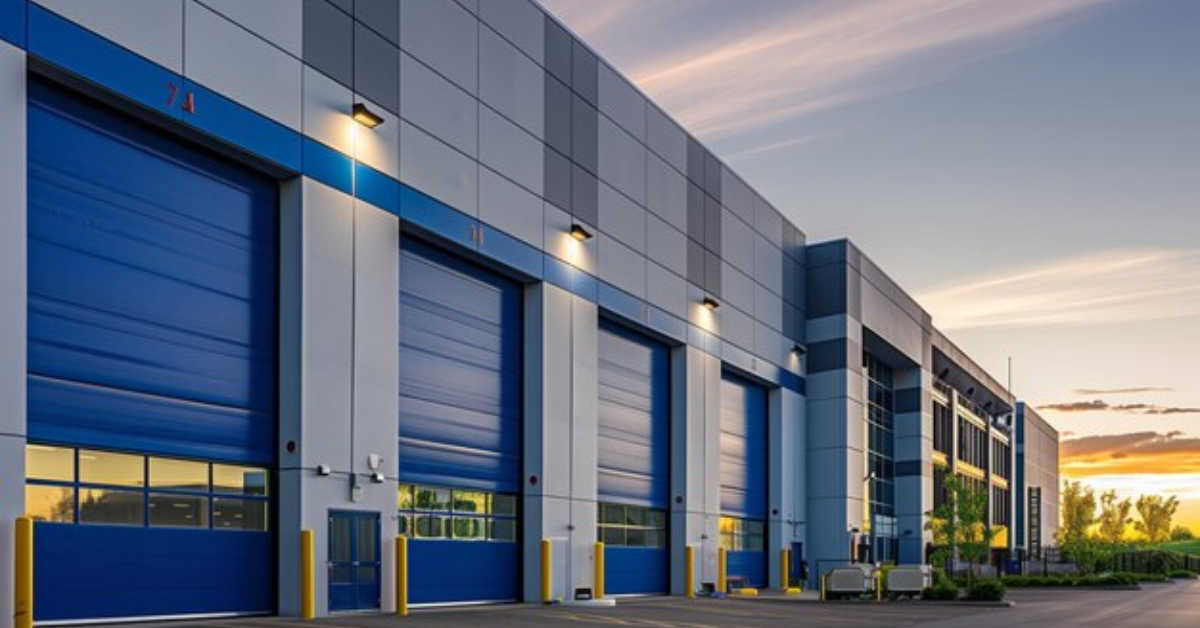
Commercial buildings depend heavily on efficient entry systems. Whether it is a warehouse, logistics hub, repair facility, or retail loading dock, garage doors are used frequently throughout the day. Because of this constant activity, businesses often ask an important question: can commercial garage doors be automated?
The simple answer is yes. Modern technology allows most commercial garage doors to operate automatically using advanced openers, sensors, and smart control systems. Automation has become increasingly common in industries that rely on fast operations, strong security, and minimal manual effort.
In this guide, we will explore how automated commercial garage doors work, their advantages, the technology behind them, and why automation is becoming essential for modern businesses.
What Does It Mean to Automate a Commercial Garage Door?
Automation refers to using mechanical and electronic systems to open and close a garage door without manual lifting. Instead of employees pulling a heavy door by hand, the system operates through a commercial garage door opener connected to a motorized drive.The operator can control the door through various methods, including wall switches, remote controls, keypads, mobile apps, or integrated building management systems.
Automation is particularly valuable in commercial environments because these doors are typically much larger and heavier than residential garage doors. Some industrial doors weigh several hundred kilograms, making manual operation inefficient and sometimes unsafe. By automating the door, businesses ensure smoother daily operations and reduce strain on workers.
How Automated Commercial Garage Doors Work
To understand automation better, it helps to look at the basic components that power these systems.
Motorized Door Operators
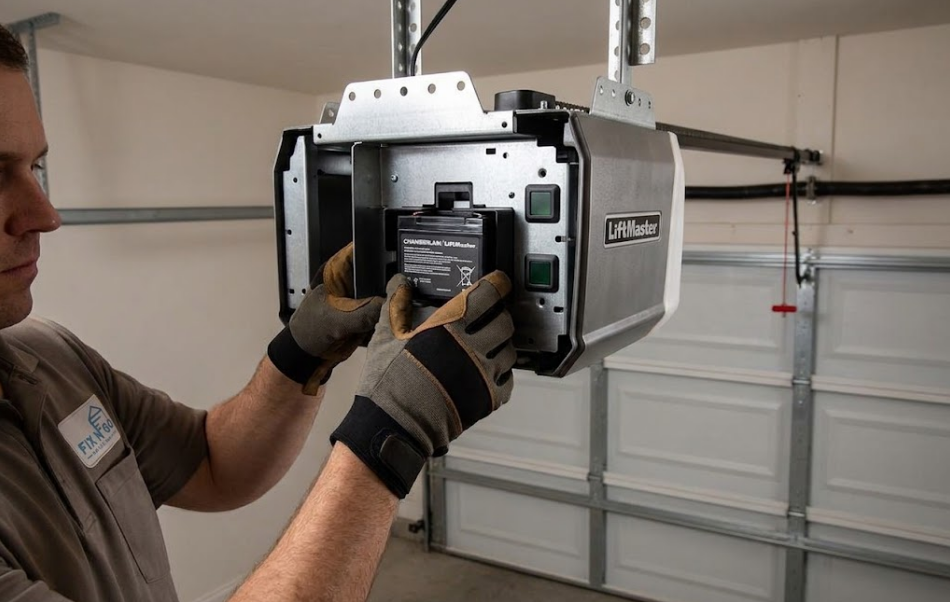
At the center of the system is the commercial garage door opener, which contains a powerful motor designed to handle heavy doors. Unlike residential openers, commercial models are built for high-cycle operation, meaning they can open and close hundreds of times per day. The motor connects to the door through chains, belts, or direct drive mechanisms. When activated, the motor pulls or lifts the door along its track.
Control Systems
Automation requires a reliable control method. Businesses typically use several types of controls depending on operational needs. Common control systems include wall-mounted buttons, wireless remotes, keypads, and smart controls connected to mobile devices. Some companies integrate door controls into security systems or building automation software. This flexibility allows employees to open doors quickly without leaving their workstations.
Safety Sensors
Safety is one of the most important aspects of industrial garage door automation. Modern automated doors include sensors that detect obstacles. If a person, vehicle, or object crosses the doorway while the door is closing, the sensors automatically stop and reverse the door. This feature prevents accidents and protects both people and equipment.
Smart Technology Integration
Newer smart commercial garage doors include internet-connected technology. With smart systems, managers can monitor and control doors remotely.
For example, a warehouse manager can check whether doors are closed after working hours using a smartphone app. Some systems also send alerts if the door remains open for too long.
This level of monitoring significantly improves security and operational control.
Types of Commercial Garage Doors That Can Be Automated
One of the most common concerns among business owners is whether their specific door type can support automation. Fortunately, most commercial doors can be automated with the correct equipment.
Sectional Doors
Sectional doors are among the most common commercial doors used in warehouses and service centers. These doors move upward along tracks and fold into sections. Because of their balanced design, they are ideal for automation and work well with standard commercial door openers.
Rolling Steel Doors
Rolling steel doors are often used in industrial facilities where durability and security are critical. These doors roll upward into a coil above the opening. Automation systems designed for rolling doors use heavy-duty motors capable of lifting the steel curtain smoothly.
High-Speed Doors
High-speed doors are frequently installed in cold storage facilities, manufacturing plants, and logistics hubs. These doors open and close extremely quickly to maintain temperature control or improve traffic flow. Automation is essential for these doors because manual operation would not be practical.
Fire-Rated Doors
Fire-rated commercial doors can also be automated, though they require specialized safety mechanisms. These systems ensure the door closes automatically during fire emergencies.
Benefits of Automating Commercial Garage Doors
Businesses invest in automated commercial garage doors because they offer several practical advantages.
Improved Efficiency: In busy workplaces such as warehouses and distribution centers, every second counts. Automation eliminates the time employees spend opening heavy doors manually. Vehicles can enter and exit faster, improving workflow and reducing delays.
Enhanced Safety: Large commercial doors can pose safety risks if handled incorrectly. Automation minimizes manual handling and includes built-in safety sensors. These features significantly reduce workplace injuries and equipment damage.
Better Security: Automated doors often integrate with security systems. Access controls, keypads, and remote monitoring allow businesses to restrict entry and track usage. Managers can also ensure doors remain closed after hours, protecting valuable inventory.
Energy Efficiency: Many modern facilities aim to reduce energy consumption. Automated doors close quickly after vehicles pass through, which helps maintain indoor temperature. This is particularly important in refrigerated warehouses or climate-controlled buildings.
Reduced Wear and Tear: Manual operation often leads to uneven lifting or sudden impacts. Automated systems open and close smoothly, which reduces strain on the door components and extends their lifespan.
Smart Features in Modern Automated Commercial Garage Doors
Technology continues to improve the functionality of commercial door systems. Today’s smart commercial garage doors include several advanced features.
- Remote access allows facility managers to control doors from anywhere using a smartphone or computer. Activity logs track when doors open and close, helping businesses monitor operations.
- Some systems also integrate with security cameras, motion detectors, and alarm systems. This creates a fully connected environment where building access is closely managed.
- In large industrial facilities, automation may even connect with warehouse management software to coordinate door operation with delivery schedules.
Cost Considerations for Commercial Door Automation
One question business owners often ask is whether automation is worth the investment. While automated systems require an upfront cost, they often save money in the long term. The price depends on several factors, including door size, motor strength, control systems, and safety features. High-cycle doors in busy facilities may require stronger motors, which increases the cost. However, businesses often recover these costs through improved productivity, fewer workplace injuries, and reduced maintenance. Additionally, automated systems help prevent damage caused by improper manual operation.
Maintenance of Automated Commercial Garage Doors
Just like any mechanical system, automated doors require regular maintenance. Routine inspections help ensure the motor, tracks, springs, and sensors work correctly. Maintenance tasks typically include lubricating moving parts, checking safety sensors, and testing the door balance. Professional technicians usually perform scheduled servicing several times per year, especially in high-traffic environments. Proper maintenance extends the life of the door and prevents unexpected downtime.
Are Automated Commercial Garage Doors Right for Every Business?
Although automation provides many benefits, each facility must consider its specific needs. For example, a small workshop that opens the door only a few times per day may not require a high-end automation system. However, businesses with frequent vehicle movement benefit greatly from automation.
Warehouses, distribution centers, repair garages, manufacturing plants, and parking facilities are among the industries where commercial garage door automation provides the most value. Ultimately, the decision depends on workflow requirements, safety concerns, and operational efficiency.
Conclusion
So, can commercial garage doors be automated? Absolutely. Automation has transformed how businesses manage building access and operational efficiency.
With powerful motors, intelligent control systems, and advanced safety features, automated commercial garage doors offer a reliable solution for modern facilities. They improve workflow, enhance security, reduce physical strain on workers, and support smart building management.
As industries continue to embrace automation, commercial garage door systems are becoming more advanced, smarter, and more efficient. Businesses that invest in automation today position themselves for smoother operations and stronger long-term performance.
FAQ
Q: Can existing commercial garage doors be automated?
A: Yes. Most existing commercial garage doors can be upgraded with automation systems. A professional installer can add a compatible commercial door opener and safety features without replacing the entire door.
Q: How long do automated commercial garage doors last?
A: With proper maintenance, automated commercial garage doors can last 15 to 30 years. The lifespan depends on usage frequency, door quality, and regular servicing.
Q: Are automated commercial garage doors safe?
A: Yes. Modern automated systems include safety sensors, auto-reverse mechanisms, and emergency stop controls. These features protect both people and equipment.
Q: Can automated commercial garage doors be controlled remotely?
A: Yes. Many modern systems include smart technology that allows remote control using smartphones or computers. This feature helps managers monitor building access from anywhere.
Q: Do automated commercial garage doors require maintenance?
A: Yes. Regular maintenance is essential for reliable performance. Technicians typically inspect motors, sensors, springs, and tracks to ensure the system operates safely and smoothly.
You might also like
Fix N Go Blog