Can I Adjust My Electric Garage Door for a Larger Vehicle?

Rabia Tingat • June 21, 2025

If you've recently purchased a larger vehicle—like an SUV, truck, or van—you may have discovered that your current garage door opening is too small for a smooth fit. It’s a common issue for homeowners, especially as vehicle sizes continue to increase. This raises the question: Can you adjust your electric garage door to accommodate a larger vehicle? The short answer is yes, but the process depends on what kind of adjustment you’re referring to—whether it’s the opening height, width, or mechanical settings. In this article, we’ll break down the different ways you can adjust or upgrade your garage door to make space for a bigger vehicle.


Understanding the Limitations of Your Current Garage Door


Before making any adjustments, it's important to assess the current dimensions of your garage door. Standard single garage doors are typically 7 feet high and 8 to 9 feet wide. However, many newer vehicles—especially lifted trucks or tall SUVs—require more clearance height or width than standard doors allow.

It's also essential to check the available space above and beside the garage door opening. Even if you can physically widen or raise the opening, structural elements like beams, low ceilings, or nearby walls might limit your options. Additionally, electric garage door openers are typically set to a certain travel limit, which can be adjusted in some cases but not all.


Adjusting the Garage Door Opener Settings


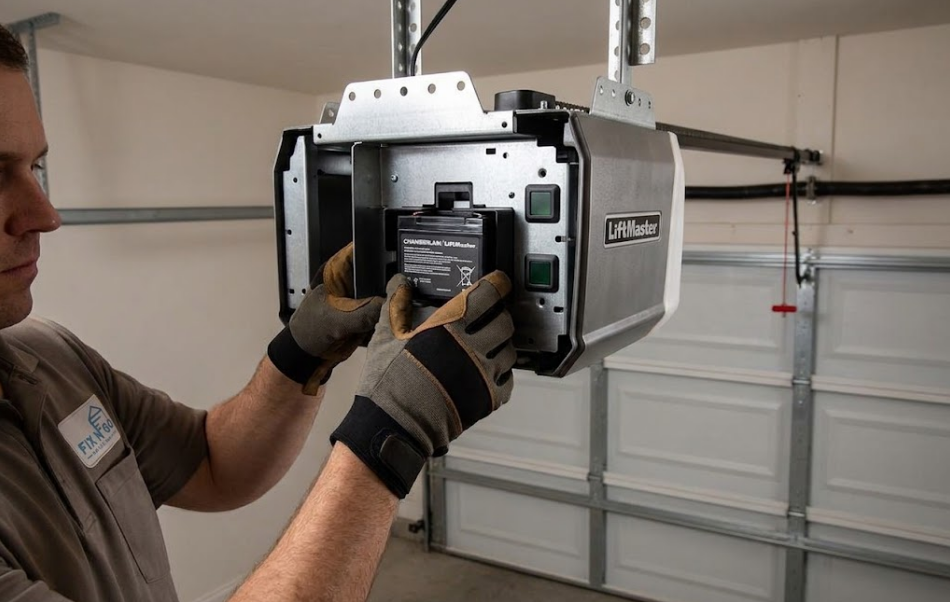
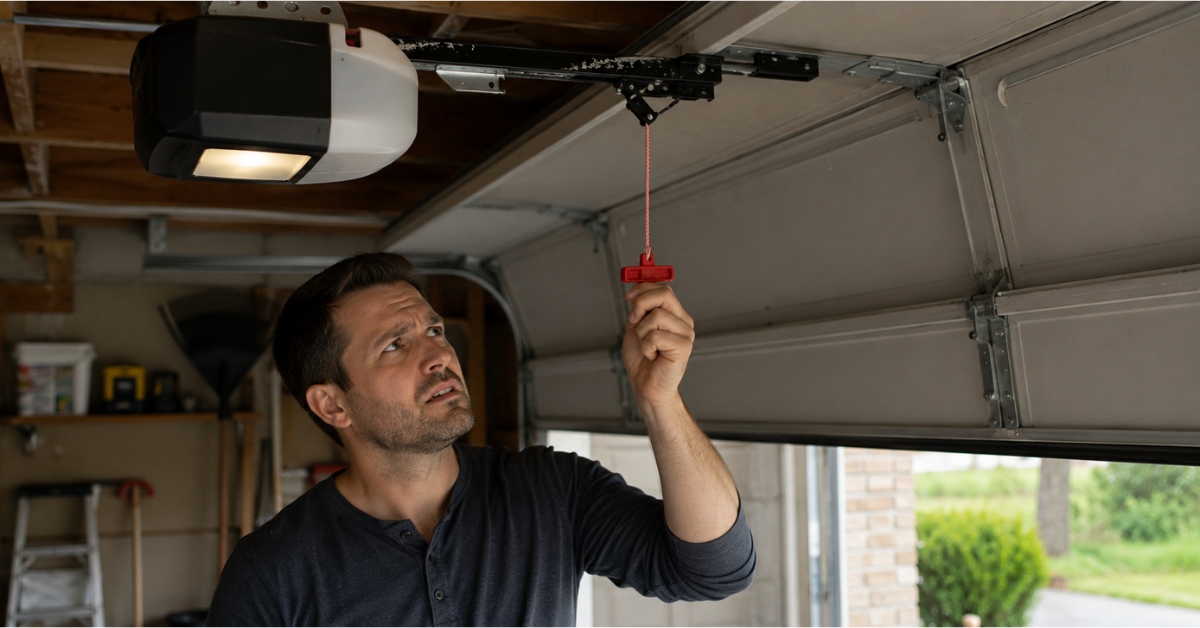
If your garage door opener stops before the door is fully open, it might not be using its full range of motion. In this case, you can try adjusting the travel limits or open force settings on your opener. Most modern electric garage door openers come with adjustable settings either through dials, buttons, or smart apps.

  • Locate the limit adjustment screws or buttons on your opener.

  • Increase the up limit slightly and test the door's travel.

  • Be cautious not to set the door to hit the ceiling or damage the tracks.

This small adjustment may give you a few extra inches in clearance, which could be enough for your larger vehicle to fit without any major renovations.


Increasing the Garage Door Height or Width


If adjusting the opener doesn't solve the issue, the next option involves structural changes. Widening or raising your garage door opening requires construction work, but it’s entirely possible. Here’s how:


1. Raising the Garage Door Opening


To raise the height of your garage door:

  • The existing header (support beam above the door) needs to be moved upward.

  • You may need a new taller door and longer vertical tracks.

  • The garage door opener may also need repositioning or replacement with a high-lift or jackshaft opener for added clearance.

Keep in mind, raising the opening is only possible if your garage ceiling allows for extra vertical space.


2. Widening the Garage Door


To widen the opening:

  • The side walls may need to be modified or partially removed.

  • A new wider door and track system will be required.

  • Support beams may need to be replaced or reinforced to accommodate the new span.

Both processes will require help from a licensed contractor and may need city permits depending on local regulations.


Replacing the Garage Door


If you’re making structural changes, you’ll also need a new garage door to match the updated dimensions. Fortunately, garage doors come in a variety of heights and widths, including:

  • 8, 9, 10, 12, and even 16 feet wide

  • 8 feet high or higher for RVs and lifted vehicles

Make sure to choose a door with enough clearance and compatible features, such as insulation, material strength, and an opener designed for heavier or taller doors.


Upgrading the Garage Door Opener


If you’re installing a taller door or one with a higher lift, you might need a more powerful opener. Consider these options:

  • Jackshaft openers mount on the wall and save ceiling space.

  • Belt-drive or chain-drive models with high horsepower for heavier doors.

  • Smart openers that offer remote access and travel limits via an app.

Make sure the opener is compatible with your door size and offers adjustable settings for safety and smooth operation.


Final Thoughts


Adjusting your electric garage door to accommodate a larger vehicle is definitely possible. If the issue is just travel limits, a simple adjustment to your garage door opener may solve the problem. However, if the opening itself is too small, structural changes and a door replacement might be necessary. While some tasks can be done yourself, major changes should always be handled by professionals to ensure safety and compliance with building codes.

Before starting any project, assess your current garage layout, measure your vehicle, and consult with a garage door expert or contractor. With the right approach, you can successfully modify your garage door to fit your larger vehicle and enjoy a hassle-free parking experience.
You might also like

Fix N Go Blog
Why Won’t My Commercial Garage Door Open or Close?
By Rabia Tingat February 16, 2026
Commercial garage door not opening or closing? Learn the most common causes, quick checks, safe fixes, and when to call a pro.
What Size Commercial Garage Door Do I Need?
By Rabia Tingat February 15, 2026
Choosing the right size commercial garage door is one of the most important decisions you’ll make for your building. Whether you’re running a warehouse, auto repair shop, fire station, or retail loading dock, the wrong door size can slow operations, damage vehicles, and lead to expensive modifications later. If you’re asking, “What size commercial garage door do I need?” you’re not alone. Many business owners assume there’s a universal size, but commercial garage doors vary widely depending on use, building layout, and equipment requirements. In this guide, we’ll walk through standard commercial garage door sizes, how to measure properly, and how to choose the right size based on your specific business needs—without overcomplicating things. Why Commercial Garage Door Size Matters Unlike residential doors, commercial garage doors are built for heavy-duty use. They must accommodate larger vehicles, frequent opening cycles, and strict safety standards. Choosing the wrong size can cause daily operational issues, such as vehicles scraping frames or inefficient loading workflows. The correct size ensures: Smooth vehicle entry and exit Safer operations Proper sealing and insulation Long-term durability Essential Maintenance Tips for High-Traffic Commercial Garage Doors Standard Commercial Garage Door Sizes While custom sizing is common, there are several standard commercial garage door sizes used across industries. Most commercial garage doors range from 8 to 14 feet high and 10 to 24 feet wide . However, these are general ranges—not rules. Smaller service bays and workshops often use doors closer to the lower end, while warehouses and loading docks require much larger openings. Common Commercial Garage Door Sizes by Industry Auto Repair Shops and Service Bays: Auto shops typically need doors large enough to accommodate cars, SUVs, and light trucks. A common size is 10 feet wide by 10 feet high , though larger shops may use 12×12 feet doors for added clearance. Warehouses and Distribution Centers: Warehouses require larger doors to accommodate box trucks, forklifts, and pallet movement. Many facilities use doors ranging from 12×14 feet to 18×18 feet . For high-volume logistics operations, even larger custom doors may be necessary. Loading Docks: Loading dock doors are often standardized to align with truck bed heights. A typical commercial overhead door size for loading docks is 8×9 feet or 9×10 feet , depending on dock design and truck types. Fire Stations and Emergency Facilities: Fire stations require tall doors to allow quick exit for emergency vehicles. Common sizes include 14×14 feet or 14×16 feet , ensuring adequate clearance for fire engines and equipment. How to Measure for a Commercial Garage Door Before deciding on a door size, accurate measurements are critical. Measuring incorrectly is one of the most common mistakes businesses make. You’ll need to measure: Width of the opening (side to side) Height of the opening (floor to top) Headroom (space above the opening) Sideroom (space on both sides of the opening) Backroom (depth inside the building) These measurements help determine not only the door size but also the type of door system that will work best. What Size Commercial Garage Door Do I Need for My Vehicles? Vehicle clearance is one of the biggest deciding factors. A good rule is to choose a door that’s at least 2–3 feet taller and wider than your largest vehicle. This extra space reduces the risk of damage and makes daily operations smoother. If your business plans to upgrade vehicles in the future, it’s wise to size up now rather than replace the door later. How Long Do Commercial Garage Doors Last? Door Type Affects Size Requirements The type of commercial garage door you choose can also influence size considerations. Sectional Overhead Doors : These doors open vertically and slide along the ceiling. They’re common and flexible, but they require adequate headroom and backroom. Rolling Steel Doors: Rolling doors coil above the opening, making them ideal for tight spaces. They often work well for wider openings but may have height limitations depending on the coil size. High-Speed Doors : High-speed commercial doors are designed for frequent use and often require precise sizing to maintain performance and safety. Custom vs Standard Commercial Garage Door Sizes If your building doesn’t match standard dimensions, custom sizing may be necessary. Custom doors are common in older buildings, industrial facilities, and specialized operations. While custom doors cost more upfront, they ensure proper fit and long-term efficiency. In many cases, custom sizing is the correct answer to what size commercial garage door do I need. Insulation and Size Considerations Larger doors allow more air transfer, which can impact energy efficiency. If temperature control matters, insulated doors with proper sealing are essential—especially for tall or wide openings. Choosing the right size and insulation together helps control energy costs. Local Building Codes and Regulations Some municipalities have regulations that affect commercial garage door dimensions, especially for fire safety, wind load, and accessibility. Before finalizing your door size, it’s important to check local building codes to avoid costly changes later. Planning for Future Growth One mistake many businesses make is sizing a door only for current needs. If you expect business growth, larger vehicles, or increased traffic, choosing a slightly larger door now can save money and disruption later. Professional Site Assessment Matters While online guides are helpful, a professional site inspection is often the best way to determine the correct size. Experienced installers consider structural support, workflow, and safety—not just measurements. Cost Impact of Door Size Larger commercial garage doors cost more—not just for the door itself, but also for installation, motors, and maintenance. However, choosing a door that’s too small can be even more expensive in the long run due to inefficiency and damage. Conclusion So, what size commercial garage door do I need? The answer depends on your industry, vehicle size, building layout, and future plans. Standard sizes work for many businesses, but custom sizing is often the smartest solution for long-term efficiency and safety. By measuring carefully, understanding your operational needs, and planning ahead, you can choose a commercial garage door that supports your business instead of limiting it. When in doubt, a professional assessment can help you make the right decision the first time. Frequently Asked Questions (FAQ) Q: What is the standard commercial garage door size? A: Standard sizes typically range from 10–24 feet wide and 8–14 feet high , depending on application. Q: How tall should a commercial garage door be? A: The door should be at least 2–3 feet taller than your tallest vehicle or equipment. Q: Can I get a custom-sized commercial garage door? A: Yes, many commercial garage doors are custom-built to fit non-standard openings. Q: Are larger commercial garage doors more expensive? A: Yes, larger doors cost more upfront but often improve efficiency and reduce long-term issues. Q: Should I size my door for future needs? A: Absolutely. Planning for future growth can save significant replacement costs later.
Can Commercial Garage Doors Be Customized?
By Rabia Tingat February 10, 2026
Learn how commercial garage doors can be customized for size, material, insulation, security, and branding to match your business needs.