How Garage Door Torsion Springs Actually Work
Garage doors may seem simple from the outside, but behind every smooth opening and closing motion is a powerful mechanical system doing most of the heavy lifting. One of the most important parts of that system is the garage door torsion springs.
Most homeowners never think about these springs until something goes wrong. Suddenly, the door feels unusually heavy, makes loud noises, or refuses to open at all. Understanding how torsion springs work can help you spot early warning signs, avoid costly repairs, and keep your garage door operating safely.
In this guide, we’ll break down how garage door torsion springs actually work, why they matter, and what happens when they fail.
What Are Garage Door Torsion Springs?
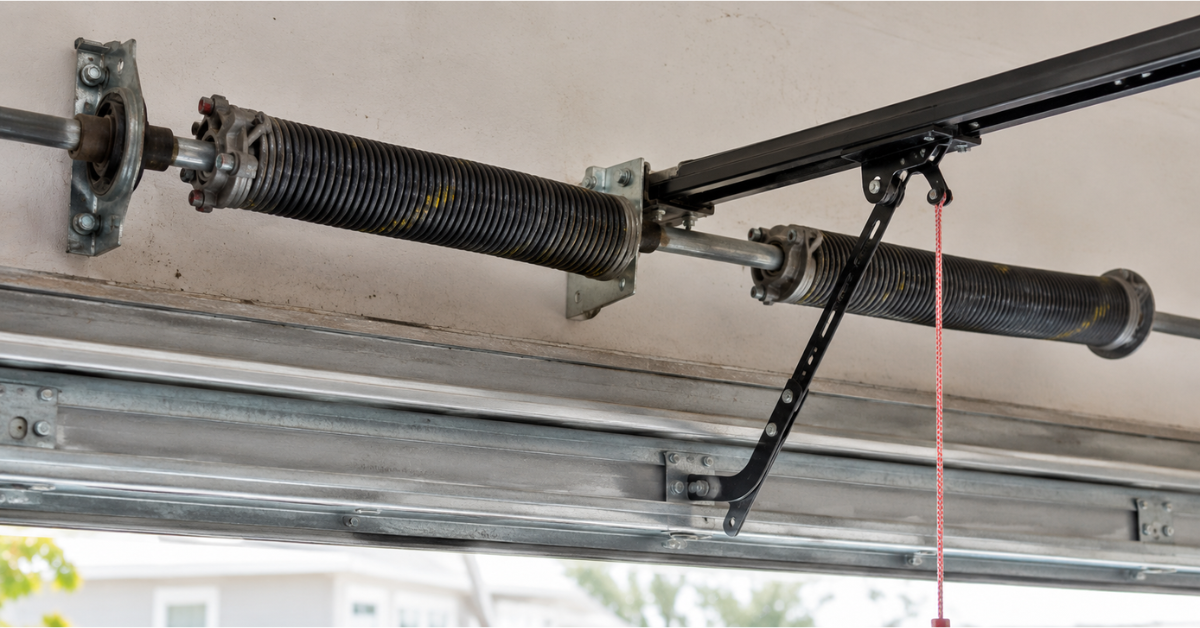
Garage door torsion springs are tightly wound metal coils mounted above the garage door opening. Their main job is to store mechanical energy and use that energy to help lift and lower the door.
A garage door can weigh anywhere from 130 to over 400 pounds depending on its size and material. Without a torsion spring system, lifting the door manually would be extremely difficult. The springs counterbalance the weight, making the door feel much lighter.
When properly installed, torsion springs allow the garage door opener to work efficiently and reduce stress on the entire system.
How the Torsion Spring System Works
The basic principle behind torsion springs is controlled tension.
When the garage door closes, the springs twist and tighten. This twisting action stores energy inside the coils. Then, when the door opens, the springs unwind and release that stored energy to help lift the door.
Here’s a simple step-by-step explanation:
1. The Door Closes
As the garage door moves downward, cables attached to the bottom corners pull on drums connected to the torsion shaft. This action causes the springs to wind tightly.
The tighter the springs wind, the more energy they store.
2. Energy Builds in the Springs
The springs remain under high tension while the door is closed. At this stage, they are essentially holding enough energy to lift the full weight of the garage door.
This is why garage door torsion springs are considered dangerous to handle without proper training.
3. The Door Opens
When you press the garage door opener or lift the door manually, the springs begin to unwind. As they unwind, they transfer stored energy into rotational force.
That force turns the shaft and drums, pulling the cables upward and lifting the garage door.
Instead of the opener lifting the entire weight alone, the springs do most of the work.
Why Torsion Springs Are Better Than Extension Springs
Older garage doors often used extension springs mounted along the sides of the tracks. While these still exist today, torsion spring systems are generally considered safer and more durable.
Here’s why many homeowners prefer torsion springs:
- They provide smoother door movement
- They create better balance
- They typically last longer
- They produce less noise
- They reduce wear on the garage door opener
Because the force is distributed evenly across the shaft, the door operates more consistently and safely.
Signs Your Garage Door Torsion Springs Are Failing
Like any mechanical component, torsion springs wear out over time. Every opening and closing cycle slowly weakens the metal.
Most standard springs are rated for about 10,000 cycles. For an average family, that may equal 7–10 years of normal use.
Here are some common warning signs of failing springs.
The Garage Door Feels Heavy
If the door suddenly feels much heavier than usual, the springs may no longer be providing enough support.
Loud Bang From the Garage
Many homeowners describe hearing a gunshot-like sound when a spring breaks. That noise comes from the sudden release of tension.
Crooked or Uneven Door Movement
A broken garage door spring can cause one side of the door to lift unevenly, putting strain on the tracks and opener.
Door Opens a Few Inches Then Stops
Modern garage door openers often detect excess weight. If the spring breaks, the opener may stop automatically for safety reasons.
Visible Gap in the Spring
A broken torsion spring usually leaves a visible separation in the coil.
If you notice any of these issues, it’s best to stop using the door until a professional inspection is completed.
Why Broken Garage Door Springs Are Dangerous
Garage door torsion springs hold a massive amount of tension. Attempting DIY garage door spring repair without proper tools and experience can lead to serious injury.
The springs can snap unexpectedly or release stored energy violently if handled incorrectly.
Professional technicians use specialized winding bars and safety procedures to safely adjust or replace springs. For most homeowners, professional repair is the safest option.
How Proper Garage Door Maintenance Helps
Routine garage door maintenance can extend the lifespan of your torsion springs and improve overall system performance.
Simple maintenance steps include:
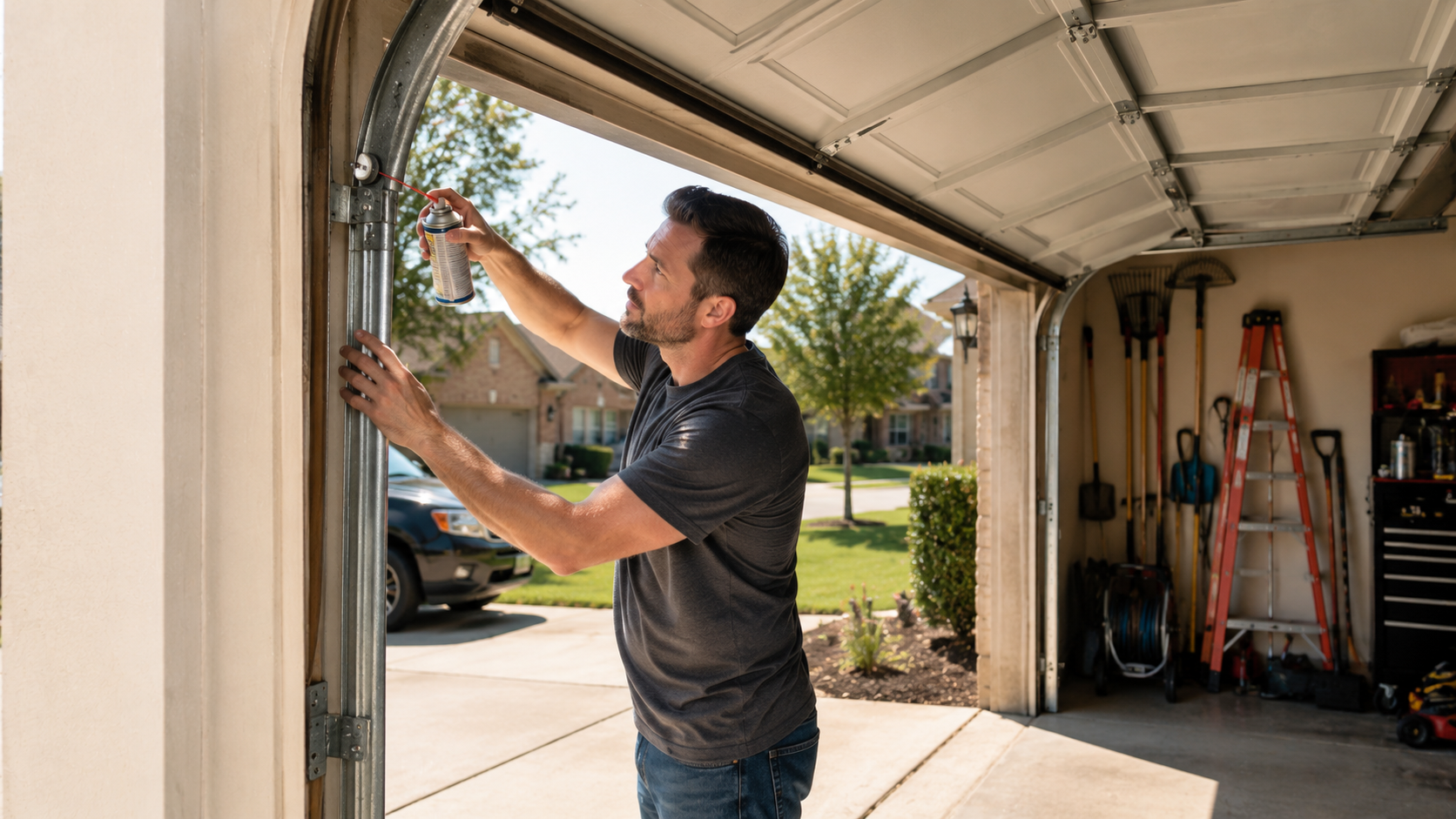
- Lubricating the Springs: Using a garage-door-safe lubricant reduces friction between the coils and helps the springs operate smoothly.
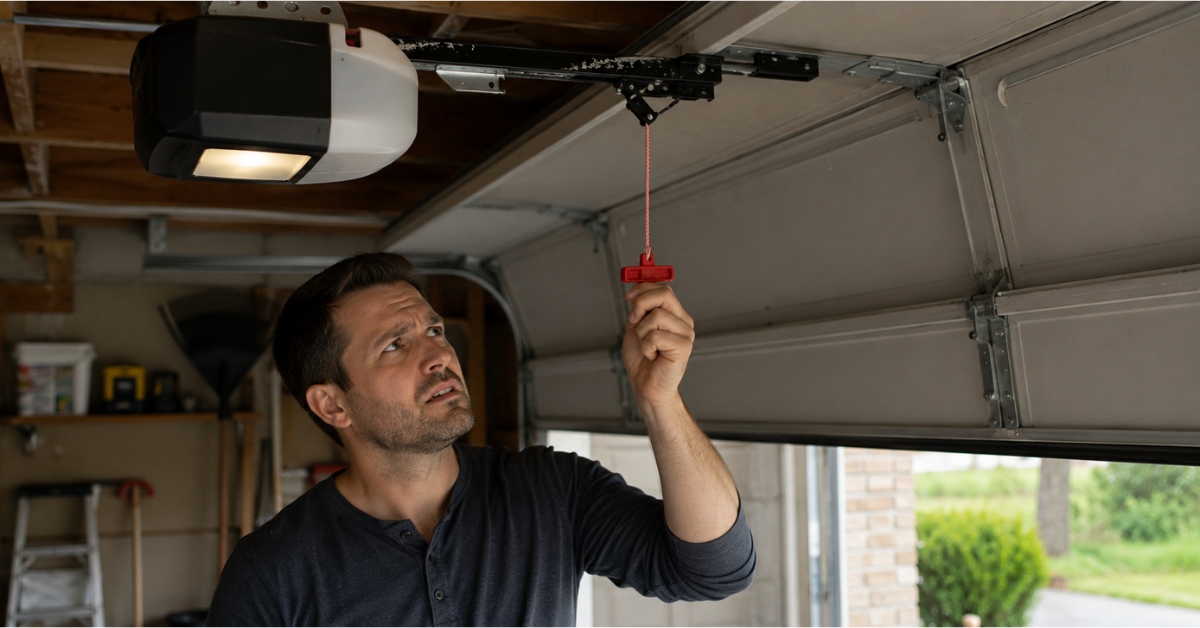
- Checking Door Balance: Disconnect the opener and manually lift the door halfway. A balanced door should stay in place. If it falls or rises, the springs may need adjustment.
- Inspecting for Rust or Wear: Rust weakens metal and shortens spring life. Regular visual inspections can help catch problems early.
- Scheduling Professional Tune-Ups: Annual inspections allow technicians to spot worn components before they fail completely.
Preventive maintenance is often far cheaper than emergency garage door spring repair.
How Long Do Garage Door Torsion Springs Last?
The lifespan depends on usage, climate, and spring quality.
Standard torsion springs usually last:
- 7–10 years for average households
- 10,000 cycles on standard systems
- 20,000+ cycles on high-cycle upgraded springs
Homes where the garage door is used frequently may wear out springs much faster.
Extreme temperature changes and humidity can also accelerate wear.
Can You Replace Just One Spring?
Technically, yes. However, most professionals recommend replacing both springs at the same time if your garage door uses a dual-spring system.
Here’s why:
- Both springs typically wear evenly
- An older spring may fail shortly after the new one
- Balanced spring tension improves door performance
Replacing both at once often saves money on future service calls.
Choosing the Right Torsion Spring
Not all garage door torsion springs are identical. Springs are selected based on:
- Door weight
- Door height
- Cable drum size
- Shaft diameter
- Cycle rating
Using the wrong spring can create balance problems and damage the opener. That’s why accurate sizing is essential during replacement.
Conclusion
Garage door torsion springs are one of the hardest-working parts of your entire garage door system. They store and release energy every time the door moves, making heavy garage doors feel surprisingly light and easy to operate.
Although they often go unnoticed, these springs play a major role in safety, balance, and performance. Understanding how the torsion spring system works helps homeowners recognize warning signs early and avoid unexpected breakdowns.
Regular garage door maintenance, proper lubrication, and timely inspections can greatly extend the life of your springs. And when a spring finally wears out, professional garage door spring repair is usually the safest and smartest solution.
FAQs
FAQs
Q: How do garage door torsion springs work?
A: Garage door torsion springs store mechanical energy when the door closes and release that energy to help lift the door when it opens.
Q: How long do torsion springs last?
A: Most standard garage door torsion springs last around 10,000 cycles, which usually equals 7–10 years of normal use.
Q: What happens when a torsion spring breaks?
A: The garage door may become extremely heavy, open unevenly, or stop functioning completely. You may also hear a loud snapping sound.
Q: Can I replace garage door torsion springs myself?
A: DIY replacement is not recommended because torsion springs are under extreme tension and can cause serious injury if handled improperly.
Q: How much does garage door spring repair cost?
A: Costs vary depending on the spring type, door size, and labor. Professional repair typically ranges from moderate to high depending on the system.
You might also like
Fix N Go Blog