How Long Does It Take to Install a Commercial Garage Door?
If you’re planning to install a commercial garage door, one of the first questions that probably comes to mind is: How long is this going to take? Whether you run a warehouse, auto shop, retail facility, or industrial building, downtime matters. Every extra hour without a functioning door can disrupt operations, delay deliveries, or even impact security.
The short answer is that most commercial garage door installations take between 4 hours and 2 full days, but the real answer depends on several important factors. In this guide, we’ll break down exactly what affects installation time, what to expect during the process, and how you can ensure things go smoothly from start to finish.
What Is Considered a Commercial Garage Door?
Before talking timelines, it’s important to understand what “commercial” actually means here. Commercial garage doors are built for heavy use, larger openings, and higher durability compared to residential doors. They’re commonly installed in:
Warehouses and distribution centers
Auto repair shops and service bays
Retail stores with loading docks
Manufacturing facilities
Fire stations and municipal buildings
Because of their size, weight, and mechanical complexity, installing a commercial garage door is more involved than a typical home garage door installation.
Average Commercial Garage Door Installation Time
In general, here’s what most businesses can expect:
- A standard commercial garage door installation usually takes 4 to 8 hours when conditions are ideal and no major modifications are required.
- More complex installations can take 1 to 2 days, especially for larger doors or specialized systems.
- In rare cases involving structural changes or custom doors, the project may extend to 3 days or more.
These estimates include removing the old door (if applicable), installing tracks, springs, panels, hardware, and testing the system for safety and performance.
Key Factors That Affect Installation Time
Not all commercial doors are created equal. Several variables directly influence how long installation will take.
Door Size and Weight
Larger doors take longer—simple as that. A small sectional door for a service bay installs much faster than a massive overhead door for a warehouse loading dock. Heavier doors also require more manpower and precision, which adds time.
Type of Commercial Door
The style of door plays a major role in installation time.
Sectional steel doors are usually the fastest to install.
Rolling steel doors require more setup and alignment.
High-speed doors involve advanced electronics and sensors.
Fire-rated doors must meet strict safety and compliance standards.
The more specialized the door, the longer the installation.
New Installation vs Door Replacement
If you’re replacing an existing door, installation is often quicker because the opening, tracks, and framing are already in place.
If you’re installing a commercial garage door in a new building, the process may take longer due to:
Structural adjustments
Electrical work for operators
Custom framing or reinforcement
Commercial door replacement time is usually shorter than a first-time install.
Manual vs Motorized Systems
Adding a commercial-grade opener increases installation time. Wiring, mounting, programming, and safety testing all take extra effort. High-cycle motors and smart access systems also add complexity. A manual door can often be installed faster than a fully automated system.
Condition of the Building Opening
If the door opening is out of square, damaged, or improperly framed, installers may need to make corrections before proceeding. Rusted steel, cracked concrete, or uneven walls can easily add several hours to the project. This is one of the most common causes of installation delays.
Step-by-Step: What Happens During Installation?
Understanding the process helps explain why timelines vary.
Site Inspection and Preparation: Installers begin by measuring the opening, checking structural support, and confirming door specifications. Any issues found here can impact installation time later.
Removal of Existing Door (If Applicable): Old panels, tracks, and hardware are carefully removed. For heavy commercial doors, this step alone can take one to two hours.
Track and Hardware Installation: Tracks, brackets, springs, and cables are installed and aligned. Precision matters here—poor alignment can lead to operational issues or safety risks.
Door Panel or Curtain Installation: Sectional panels are assembled and lifted into place, or rolling door curtains are mounted and tensioned. Larger doors require multiple technicians.
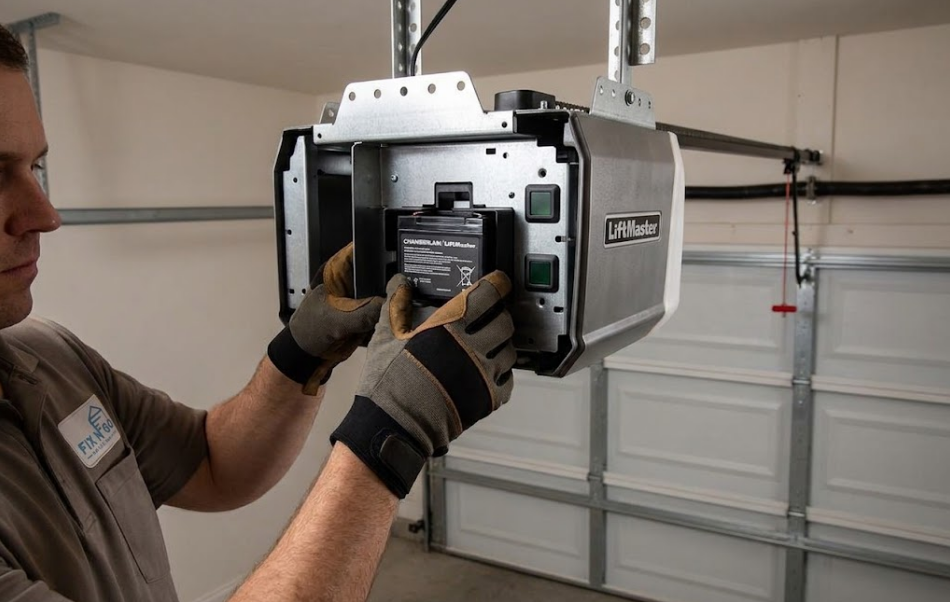
Opener Installation and Wiring: If the door is motorized, the opener is mounted, wired, and tested. Safety features like sensors and emergency releases are configured.
Testing and Final Adjustments: The door is tested multiple times to ensure smooth operation, proper balance, and compliance with safety standards.
How Long Does Installation Take by Door Type?
Here’s a realistic breakdown based on common scenarios:
Sectional steel commercial doors typically take
4 to 6 hours.
Rolling steel doors often take
6 to 8 hours.
Large warehouse doors may require
1 to 2 full days.
High-speed commercial doors can take
1 to 3 days.
These estimates assume professional installation with no major structural issues.
Can Installation Be Done After Business Hours?
Yes—and many businesses choose this option. Installing a commercial garage door after hours or on weekends helps avoid disruptions, especially for retail and logistics operations.
However, after-hours installation may slightly increase labor costs, though it won’t necessarily change the total installation time.
How to Reduce Installation Time and Avoid Delays
If speed matters, preparation is key.
Make sure the opening is structurally sound before installation day.
Confirm electrical access if installing a motorized door.
Choose standard door sizes instead of custom builds.
Hire experienced commercial garage door professionals.
Good planning can easily shave several hours off the total installation time.
Is DIY Installation an Option?
For commercial doors, DIY installation is strongly discouraged. These doors are heavy, spring systems are dangerous if mishandled, and improper installation can void warranties or violate safety codes. Professional installation isn’t just faster—it’s safer and legally compliant.
Final Thoughts
So, how long does it take to install a commercial garage door? In most cases, between half a day and two days. The exact timeline depends on door type, size, automation, and site conditions.
While it may be tempting to rush the process, proper installation is critical for safety, durability, and long-term performance. Investing a little extra time upfront ensures your commercial garage door operates smoothly for years to come.
If you’re planning an installation, scheduling a site inspection early is the best way to get an accurate timeline and avoid surprises.
Frequently Asked Questions (FAQ)
Q: How long does commercial garage door installation take?
A: Most commercial garage door installations take 4 to 8 hours, though larger or specialized doors may take up to two days.
Q: Can a commercial garage door be installed in one day?
A: Yes, many standard commercial doors are installed in a single day if there are no structural or electrical complications.
Q: Does replacing a commercial garage door take less time?
A: Yes, commercial door replacement time is usually shorter than a new installation because the opening and tracks already exist.
Q: Do motorized commercial doors take longer to install?
A: Yes, adding an opener, wiring, and safety systems typically adds a few extra hours to the installation process.
Q: What causes delays during commercial door installation?
A: Common delays include structural issues, custom door sizes, electrical problems, or unexpected site conditions.
You might also like
Fix N Go Blog