Can Roll Up Garage Doors Be Automated?
Roll-up garage doors have long been a staple in residential and commercial properties, providing efficient and space-saving solutions for securing vehicles and belongings. These doors, characterized by their vertical operation and compact storage when opened, offer numerous advantages over traditional swing-out or sectional garage doors. However, as technology continues to advance, the question arises: Can roll-up garage doors be automated?
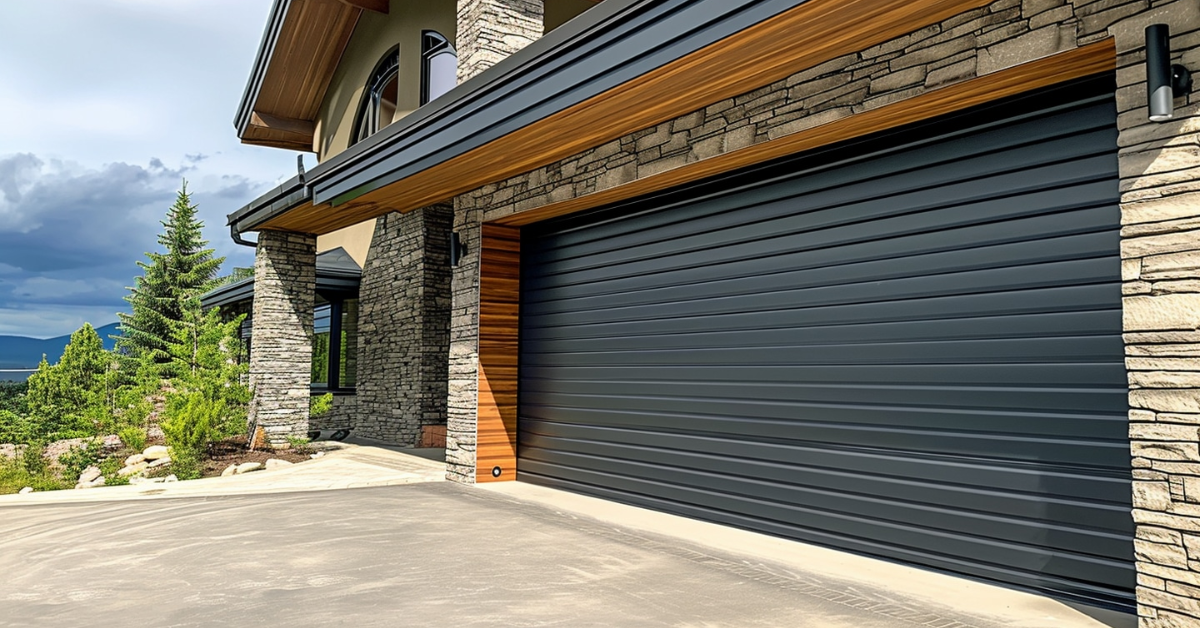
Roll-up garage doors, also known as rolling steel doors or overhead coiling doors, consist of horizontal slats that roll up into a coil above the opening when raised. Unlike traditional garage doors that swing outward or upward in sections, roll-up doors operate vertically, sliding upward along tracks to open and descending to close. This vertical operation mechanism makes them ideal for properties with limited ceiling clearance or where space efficiency is paramount.
Constructed from durable materials such as steel or aluminum, roll-up doors offer robust protection against intruders, harsh weather conditions, and environmental elements. Their compact design allows for maximum utilization of garage space, providing ample room for parking vehicles, storage, or other activities within the garage area.
Importance of Automation
While manual operation of roll-up garage doors has been the norm for decades, automation introduces a new level of convenience, efficiency, and security to the equation. Automating roll-up doors enables homeowners and property managers to operate them remotely, eliminating the need for manual effort and enhancing accessibility.
Automated systems can integrate
advanced features such as smartphone compatibility, motion sensors, and timer settings, allowing for seamless control and customization according to individual preferences. This not only simplifies the process of opening and closing garage doors but also enhances security by enabling remote monitoring and access management.
In addition to convenience and security benefits, automation can also contribute to energy efficiency and cost savings by minimizing heat loss during colder months and reducing the risk of leaving garage doors inadvertently open. This makes automated roll-up garage doors a practical investment for modern homes and commercial establishments alike.
The Basics Of Roll-Up Garage Doors
Roll-up garage doors consist of several key components that work together to provide seamless operation and secure closure. These components typically include:
Horizontal Slats:
Roll-up doors are comprised of horizontal slats or
panels made from sturdy materials such as steel or aluminum. These slats are interconnected by hinges or rollers, allowing them to flex and roll up smoothly when the door is opened.
Tracks and Guides:
Roll-up doors operate along tracks or guides installed on the sides of the door opening. These tracks guide the movement of the door as it rolls up and down, ensuring smooth and stable operation.
Drum and Spring Assembly: At the top of the door opening, there is usually a drum assembly around which the door coils when opened. Torsion springs or counterbalance systems are often employed to provide the necessary tension for lifting and lowering the door.
Bottom Bar: The bottom bar of a roll-up door serves as a closure mechanism, anchoring the door in place when closed and providing additional security against forced entry.
Motor and Operator:
In manual roll-up doors, operation is typically achieved by manually pulling the door up and down. However, in automated systems, a motorized operator is installed to automate the opening and closing process, offering convenience and remote control capabilities.
How Roll-Up Doors Function
The operation of roll-up garage doors is straightforward yet efficient. When opening the door, the motorized operator or manual effort activates the mechanism, causing the door to roll up along the tracks and coil around the drum assembly. As the door reaches its fully open position, it remains suspended above the opening, allowing unobstructed access to the garage space.
Conversely, when closing the door, the motor or manual operator triggers the downward movement of the door, causing it to uncoil from the drum and descend along the tracks until it reaches the closed position. The bottom bar securely seals the door shut, providing protection against intruders, weather elements, and debris.
The simplicity and reliability of this operational mechanism make roll-up garage doors a popular choice for both residential and commercial applications. Additionally, advancements in automation technology have further enhanced the functionality and convenience of these doors, making them even more appealing to property owners seeking modern solutions for their garage access needs.
Benefits of Automating Roll-Up Garage Doors
Convenience and Ease of Use:
Automating roll-up garage doors eliminates the need for manual effort, allowing users to operate the door with the push of a button or remotely via smartphone applications. This level of convenience is particularly beneficial during inclement weather or when carrying groceries, luggage, or other items, as it enables effortless access to the garage space.
Improved Security Features:
Automated roll-up garage doors often come equipped with enhanced security features such as rolling code technology, which generates a unique code each time the door is operated,
minimizing the risk of unauthorized access. Additionally, remote monitoring capabilities allow homeowners to receive alerts and notifications regarding the status of their garage door, providing peace of mind and ensuring heightened security for their property.
Enhanced Property Value:
The installation of automated roll-up garage doors can significantly enhance the curb appeal and value of a property. Not only do these doors offer modern aesthetics and functionality, but they also demonstrate a commitment to convenience, security, and technological innovation, which are highly desirable attributes for potential buyers or tenants.
Property owners can enjoy a host of benefits by automating their roll-up garage doors, including convenience, security, and increased property value. With the right automation system in place, roll-up doors can seamlessly
integrate into modern lifestyles, providing effortless access to the garage space while ensuring optimal security and protection for the property.
Types of Automation Systems
Automating roll-up garage doors can be achieved through various types of automation systems, each offering unique features and functionalities tailored to suit different preferences and requirements:
Remote Control Systems
Remote control systems utilize handheld transmitters or keypads mounted near the garage door to operate the door remotely. Users can simply press a button on the transmitter to open or close the door, providing convenient access without the need for manual effort. These systems typically operate on radio frequency (RF) signals and are easy to install and use.
Smartphone Integration
Smartphone integration allows users to control their garage doors remotely using mobile applications installed on their smartphones or tablets. By connecting the garage door opener to a Wi-Fi network, homeowners can access and operate the door from anywhere with an internet connection. Smartphone integration offers advanced features such as real-time monitoring, scheduling, and notification alerts, enhancing convenience and security.
Sensor-Based Systems
Sensor-based systems utilize sensors installed in the garage door tracks or surrounding areas to detect obstacles, motion, or changes in environmental conditions. These sensors trigger the opening or closing of the door automatically, providing hands-free operation and ensuring safety and security. Common types of sensors include motion sensors, photoelectric sensors, and vehicle detection sensors.
Installation Process
Before installing an automation system for your roll-up garage door, it's essential to ensure that the door is in good condition and properly balanced. Inspect the door for any signs of damage, wear, or malfunction, and address any issues promptly. Additionally, check the alignment of the tracks and lubricate moving parts to ensure smooth operation.
Choosing the Right Automation System:
When selecting an automation system for your roll-up garage door, consider factors such as compatibility, functionality, and budget. Determine whether you prefer a remote control, smartphone integration, or sensor-based system based on your specific needs and preferences. Research different brands and models, read reviews, and consult with professionals to identify the best solution for your garage door.
Hiring Professional Installation Services:
While some homeowners may choose to install automation systems for their garage doors themselves, hiring professional installation services is often recommended for optimal results. Professional installers have the expertise, tools, and experience to ensure proper installation and integration of the automation system with your roll-up garage door. They can also provide valuable guidance and support throughout the process, ensuring that your garage door operates smoothly and efficiently.
You can enjoy convenience, security, and peace of mind with automated access by following these steps and selecting the right automation system for your roll-up garage door. The benefits of automating your garage door are numerous, whether you choose a remote control, smartphone integration, or sensor-based system.
Maintenance Tips for Automated Roll-Up Garage Doors
Automating your roll-up garage door brings convenience and security to your property, but regular maintenance is essential to ensure smooth operation and prolong the lifespan of the system. Here are some maintenance tips to keep your automated roll-up garage door in optimal condition:
Regular Inspection and Lubrication
Periodically inspect the tracks, rollers, hinges, and other moving parts of your garage door system for signs of wear, damage, or debris buildup. Clean the tracks and lubricate moving components with a silicone-based lubricant to reduce friction and prevent rust or corrosion. Regular maintenance helps to prevent issues such as sticking, squeaking, or uneven operation.
Battery Replacement for Remote Systems
If your roll-up garage door operates with a remote control system, regularly check the batteries in the remote transmitter and replace them as needed. Weak or dead batteries can affect the signal strength and reliability of the remote, leading to operational issues. Keep spare batteries on hand to ensure uninterrupted access to your garage space.
Troubleshooting Common Issues
Familiarize yourself with
common issues that may arise with automated roll-up garage doors, such as sensor misalignment, motor malfunctions, or track obstruction. Learn how to troubleshoot these issues effectively, following manufacturer instructions or seeking assistance from professional technicians when necessary. Promptly addressing problems can prevent further damage and costly repairs.
Cost Considerations
Automating your roll-up garage door involves an initial investment, but the long-term benefits and savings often outweigh the upfront costs. Here are some cost considerations to keep in mind when planning to automate your garage door:
The cost of automating a roll-up garage door varies depending on factors such as the type of automation system, the complexity of installation, and any additional features or accessories desired. Remote control systems are typically more affordable, while smartphone integration or sensor-based systems may require a higher initial investment.
Automated roll-up garage doors offer long-term savings through improved energy efficiency, reduced maintenance requirements, and enhanced security. By automating your garage door, you can minimize heat loss, lower utility bills, and avoid costly repairs associated with manual operation or outdated systems.
Before investing in an automation system for your roll-up garage door, compare the features, pricing, and reliability of different options available on the market. Consider factors such as durability, warranty coverage, and compatibility with your existing garage door setup. Choose a reputable manufacturer or supplier that offers quality products and excellent customer support.
Conclusion
Automating roll-up garage doors offers a multitude of benefits, including convenience, security, and enhanced property value. By summarizing the advantages of automation, such as ease of use, improved security features, and potential cost savings, readers are encouraged to consider this modern solution for their garage access needs. Embracing automation not only streamlines daily routines but also provides peace of mind knowing that their property is safeguarded with the latest technological advancements.
You might also like
Fix N Go Blog