Common Mistakes to Avoid During Automatic Garage Door Installation

Rabia Tingat • August 11, 2024

Precision and attention to detail are essential when installing an automatic garage door. An improperly installed garage door can lead to significant safety hazards, mechanical issues, and costly repairs down the line. As industry experts, we have compiled a comprehensive guide to help you avoid common mistakes during the installation process. Whether you're a seasoned professional or a DIY enthusiast, understanding these pitfalls can save you time, money, and frustration.


1. Inadequate Preparation Before Installation


One of the most frequent mistakes is failing to prepare adequately before beginning the installation. This includes not measuring the space accurately, neglecting to check the compatibility of the garage door with the existing structure, and overlooking the importance of having the right tools on hand.


Accurate Measurements Are Key: Taking precise measurements is the foundation of a successful installation. Measure the width and height of the garage opening, and ensure that the door you have chosen fits these dimensions perfectly. Inaccurate measurements can lead to gaps, misalignments, and difficulties in operation.


Compatibility with Existing Structure: Before proceeding, confirm that the automatic garage door system is compatible with your garage's structural elements. Consider factors such as the type of wall material, ceiling height, and available clearance. Ignoring these can lead to improper installation and potential damage to both the door and the structure.


2. Skipping the Manufacturer’s Instructions


Each automatic garage door model comes with specific installation instructions from the manufacturer. A common mistake is to assume that all garage doors are installed in the same way and to skip these critical instructions. Even if you have installed garage doors before, always refer to the manufacturer’s manual for the specific model you are working with. These guidelines provide crucial information about correct alignment, wiring, and safety protocols that are unique to each system. Manufacturers include safety warnings in their instructions for a reason. Skipping over these can result in serious accidents or injuries. Always adhere to the recommended safety precautions, such as disconnecting power before installation and wearing appropriate protective gear.


3. Incorrect Installation of Tracks and Springs


The tracks and springs are vital components of an automatic garage door system. Mistakes in their installation can lead to malfunctioning doors, increased wear and tear, and potential safety hazards. Ensure that the tracks are perfectly aligned and securely fastened. Misaligned tracks can cause the door to become stuck, operate unevenly, or even derail. Use a level during installation to verify that the tracks are straight and properly aligned with the garage opening.


Springs provide the necessary force to lift and lower the garage door. Incorrect tensioning of these springs can result in a door that is difficult to operate or one that suddenly slams shut. Always follow the manufacturer’s instructions for setting the correct spring tension.


4. Neglecting Electrical Wiring and Connections


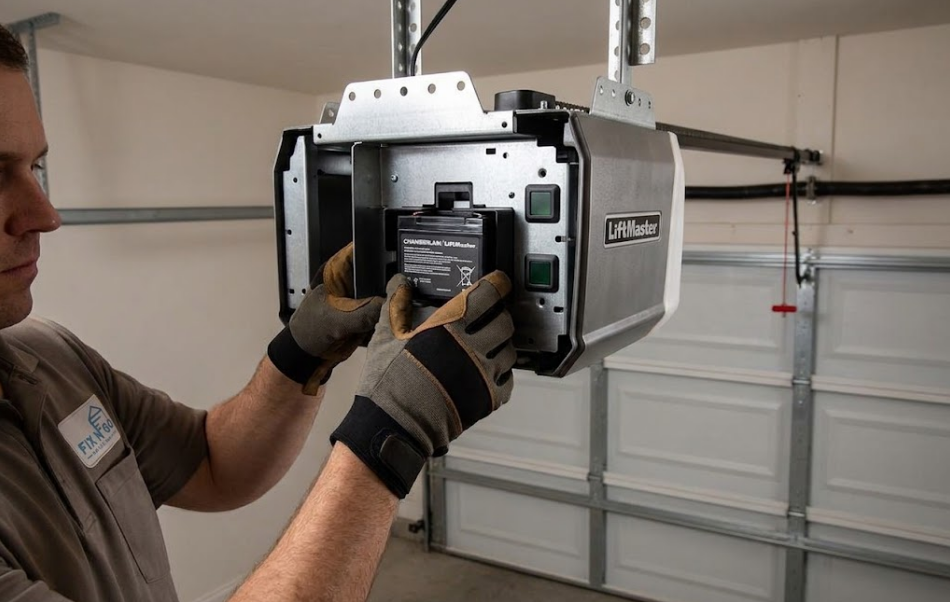
For an automatic garage door, the electrical wiring is as crucial as the mechanical components. Poor wiring can lead to system failures, electrical hazards, or even fire risks. When handling the wiring for the garage door opener, ensure that all connections are secure and comply with local electrical codes. Use the appropriate gauge of wire, and avoid using extension cords, as they can overheat and pose a fire risk. Before finalizing the installation, test all electrical components, including the opener, sensors, and remote controls. Make sure the system responds correctly to commands and that safety features, such as the automatic reversal function, are operational.


5. Overlooking Safety Features


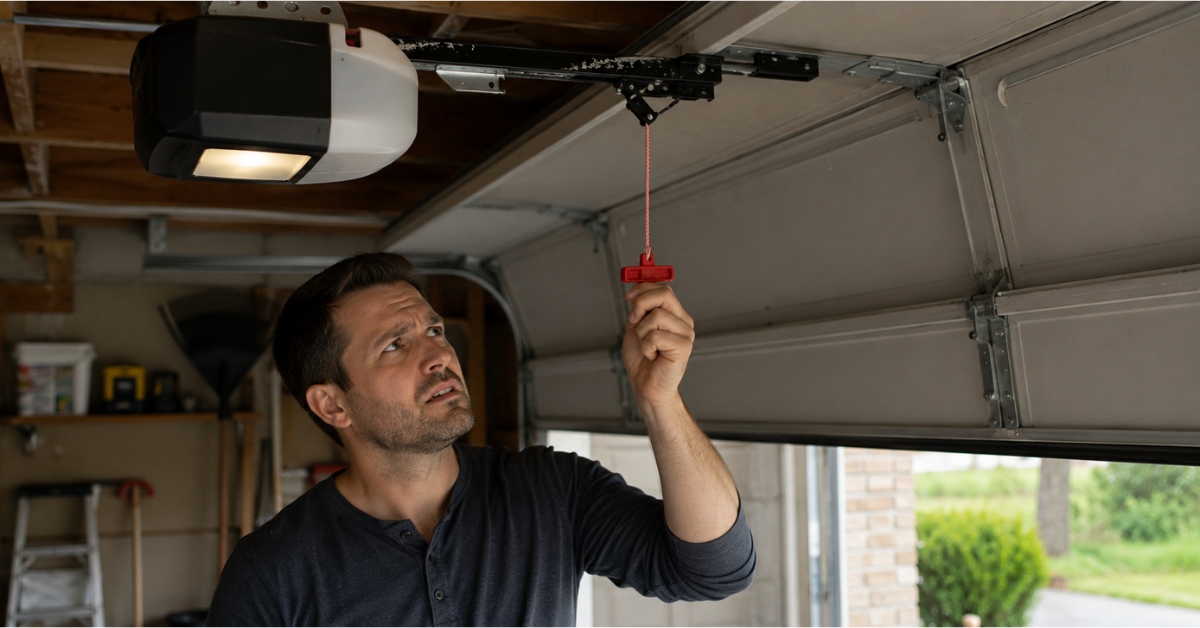
Automatic garage doors come with various safety features designed to prevent accidents and injuries. Ignoring these features during installation can lead to dangerous situations. Modern garage doors are equipped with safety sensors that detect obstructions in the door's path. Ensure these sensors are properly installed at the correct height and angle. Test the sensors to confirm that the door automatically reverses when an obstruction is detected. Familiarize yourself with the emergency release mechanism and make sure it is functioning correctly. This feature allows you to manually open the door in case of a power failure or other issues with the automatic system.


6. Rushing the Installation Process


Installing an automatic garage door is not a task that should be rushed. Rushing through the steps can lead to missed details, improper installation, and a host of problems down the line. Allocate sufficient time for each phase of the installation process. Carefully review each step before moving on to the next, and double-check your work as you go. Attention to detail is critical to ensuring the door operates smoothly and safely.


Once the installation is complete, conduct a thorough final inspection. Check that all components are securely fastened, that the door opens and closes smoothly, and that all safety features are functioning properly. This final check can help you catch any issues that need to be addressed before considering the job done.


7. Failing to Consider Long-Term Maintenance


Even after a successful installation, your job is not finished. Neglecting maintenance can result in the door deteriorating more quickly and may void any warranties provided by the manufacturer.


Regular Maintenance Tips: To ensure the longevity of your automatic garage door, schedule regular maintenance checks. This includes lubricating moving parts, inspecting the tracks and springs, and testing the safety features. Regular maintenance can help you catch minor issues before they become major problems.


Documenting Installation and Maintenance: Keep detailed records of the installation process and any maintenance performed. This documentation can be invaluable if you encounter issues later on or need to refer back to the installation specifics for troubleshooting.


Conclusion


Successfully installing an automatic garage door requires careful planning, precision, and adherence to best practices. By avoiding these common mistakes during your automatic garage door installation, you can ensure a smooth, safe, and successful setup. Taking the time to prepare, follow manufacturer instructions, and pay attention to detail will save you from future headaches and costly repairs. Attention to these details not only enhances the functionality and longevity of the door but also safeguards against potential hazards, ensuring peace of mind for years to come.
You might also like

Fix N Go Blog
How Often Should Commercial Garage Doors Be Serviced?
By Rabia Tingat February 20, 2026
Learn how often commercial garage doors should be serviced, ideal maintenance schedules by usage, what a tune-up includes, and signs you need repairs fast.
How Often Should Commercial Garage Doors Be Replaced?
By Rabia Tingat February 20, 2026
If you manage a warehouse, service bay, loading dock, or retail backroom, your overhead doors are working harder than most people realize. They open and close dozens of times a day, take hits from forklifts, battle weather, and still need to seal and operate safely. So it’s natural to ask: how often should commercial garage doors be replaced? There isn’t one perfect number, because commercial doors “age” based on cycles, environment, and how well they’re maintained. Still, there are practical timeframes you can use for planning and budgeting. In most facilities, a commercial garage door lasts about 15–30 years, but high-cycle locations may need replacement much sooner—sometimes in 8–15 years—especially if safety, downtime, and energy loss become costly. This guide breaks down typical commercial garage door lifespan by door type, the signs that replacement is smarter than repair, and how to make a decision that protects operations. What Determines a Commercial Garage Door’s Lifespan? Before we talk timelines, it helps to understand what really wears out. In commercial settings, the door panels often survive longer than the moving parts. The parts that usually drive replacement decisions include: Springs and cables (cycle-related wear) Rollers and hinges (friction and alignment) Tracks (impact damage and shifting) Bottom seal and perimeter weathering Operator/motor compatibility and safety systems The biggest factor is usually cycle count—how many times the door opens and closes. A door at a busy dock might run 80–200 cycles per day, while a storage facility door might run 5–15 cycles. That difference alone can cut years off the system. Typical Replacement Timelines by Door Type Sectional steel overhead doors (common in warehouses) These are durable and repair-friendly. With consistent commercial door maintenance, many facilities get 15–25 years, sometimes more. If you run high daily cycles or deal with corrosion, replacement may come earlier. Rolling steel doors (often used for security) Rolling steel doors can last 20–30 years, but they need proper alignment and regular service. Heavy use and impacts can shorten lifespan. High-speed doors (fabric, rubber, or fast-acting sectional) High-speed doors are designed for cycle-heavy environments, but they may need major component replacement sooner due to constant motion and sensor reliance. Many operators plan for 10–15 years depending on environment and usage. Dock doors and loading bay doors Dock doors take the most abuse: pallets, trucks, forklifts, and constant openings. Even with good upkeep, dock door replacement planning often lands around 10–20 years, sometimes sooner in high-impact facilities. How Often Should Commercial Garage Doors Be Replaced in High-Traffic Facilities? If your door is part of daily operations—shipping, receiving, fleet service, or temperature-controlled movement—replacement schedules usually tighten. Here’s a realistic way to think about it: Low traffic (under 20 cycles/day): replacement often 20–30 years Moderate traffic (20–60 cycles/day): replacement often 15–25 years High traffic (60+ cycles/day): replacement often 8–15 years , depending on upkeep and damage High traffic doesn’t always mean the door panels fail. It means the system becomes costly to keep alive: frequent spring changes, constant roller wear, downtime from sensor or track issues, and growing energy loss from poor sealing. In these environments, replacement becomes less about age and more about operational efficiency. The Clear Signs It’s Time to Replace (Not Just Repair) A commercial door can be repaired many times, but at a certain point, repairs stop making sense. You’ll usually know replacement is near when you see these patterns. 1) You’re paying for repeated “same problem” repairs If you’re calling service repeatedly for: tracking issues roller failures cables slipping bottom seal tearing operator strain and limit problems …it’s a sign the door system is aging out or the structure is compromised. 2) Door panels are bent, cracked, or no longer sealing Panels that are bowed or dented can still open and close, but they often: scrape tracks leak air and pests increase operator load fail under wind pressure If sealing problems affect climate control, replacement can pay for itself faster than expected. 3) Your operator and safety features are outdated Modern facilities rely on photo eyes, edge sensors, monitored safety devices, and reliable reversing systems. If your door system can’t support safe operation consistently—or if parts are hard to source—an overhead door upgrade may be the safer choice. 4) Rust, corrosion, or rot is spreading Once corrosion starts affecting key areas (bottom sections, hinges, fasteners), repairs become temporary patches. Coastal areas and chemical-exposure environments reach this stage faster. 5) Downtime is costing more than the door This is the most business-focused indicator. If door breakdowns interrupt shipments, block bays, delay fleets, or create safety risks, replacement becomes a productivity decision—not just a maintenance one. Repair vs Replace: A Practical Decision Framework Instead of guessing, use this simple logic: Repair makes sense when the door is structurally sound, the issue is isolated (springs, rollers, sensor alignment), and service calls are infrequent. Replacements make sense when damage is structural, service calls are frequent, parts are hard to find, or energy/downtime costs keep rising. A common rule facility managers use: if you’re spending a large percentage of the door’s replacement cost every year just to keep it operating, replacement should be on the table. Even without exact percentages, you’ll feel it in recurring invoices and repeated disruptions. Commercial Door Maintenance That Extends Replacement Timing If you want to push replacement further into the future, maintenance matters more than brand. The best routine focuses on preventing friction, misalignment, and safety failures. What helps most: scheduled inspections (not just “fix when broken”) tightening hardware and checking track alignment replacing worn rollers before they damage tracks keeping seals intact to reduce strain and heat loss checking spring condition and balance regularly A well-maintained door often lasts years longer because it avoids the “domino effect” where one worn part damages several others. Examples: When Replacement Is the Better Business Move Example 1: Busy loading dock A distribution center runs dock doors constantly. Repairs are frequent, and trucks wait when a door jams. Even if the door is only 12 years old, replacement may be smarter because downtime affects deliveries and labor costs. Example 2: Climate-controlled warehouse A facility stores temperature-sensitive products. The door still works but leaks air badly and struggles to close smoothly. The energy loss and equipment strain may justify replacement earlier than expected. Example 3: Service bays for fleet vehicles A door with dented panels and worn tracks becomes a safety hazard. Even if it “works,” it’s risky around staff and vehicles. Replacing prevents injuries and property damage. Cost Factors to Consider (Beyond the Door Price) Replacement decisions aren’t only about purchase price. Consider: installation time and scheduling around operations upgrading the operator or controls insulation value and energy savings security improvements reduced maintenance and fewer service calls Sometimes a newer, better-sealing door can reduce heating/cooling loss enough to matter in monthly operating costs—especially for large openings. Conclusion So, how often should commercial garage doors be replaced? In many facilities, the realistic lifespan is 15–30 years, but high-traffic or harsh environments may require replacement closer to 8–15 years. The best time to replace is usually when repairs become repetitive, safety and sealing are declining, and downtime starts affecting daily operations. If you’re unsure, don’t wait for a failure. Plan ahead, evaluate cycle count and repair history, and treat replacement as an operational upgrade—not just a maintenance expense.
Why Won’t My Commercial Garage Door Open or Close?
By Rabia Tingat February 16, 2026
Commercial garage door not opening or closing? Learn the most common causes, quick checks, safe fixes, and when to call a pro.