Garage Door Emergency Release Not Working?
Picture this: the power goes out, you need your car, and you reach for the red emergency release cord — and nothing happens. The cord pulls but the door will not budge. Or worse, the cord itself is missing, snapped, or jammed. A garage door emergency release not working is more than a frustrating inconvenience. In the wrong circumstances, it is a genuine safety emergency. Before you force anything or start guessing, read this. The wrong move can damage your door — or trap you further.
What the Emergency Release Actually Does
Most homeowners pull that red cord exactly once — by accident — and never think about it again until they actually need it. So let's be clear about what it does and why it matters.
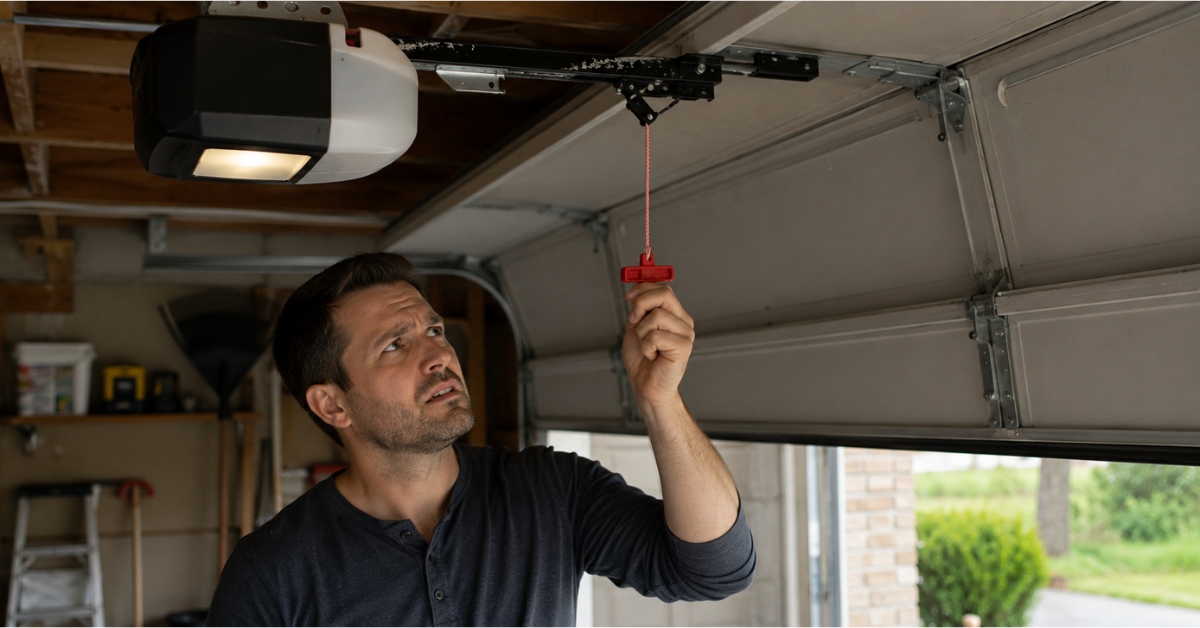
The emergency release cord disconnects your garage door from the automatic opener's trolley. Once disconnected, the door can move freely by hand — up or down — without any power or motor involvement. It exists for one purpose: to let you manually operate your door when the opener fails, the power goes out, or the motor malfunctions.
When it stops working, that safety net disappears. And that is a problem worth solving immediately — not eventually.
Reason #1 — The Door Itself Is the Problem, Not the Release
Here is something most people do not realize: the emergency release cord can work perfectly and still feel like it is not working. How? Because the door is physically stuck — and no release mechanism can override that.
A door jammed in its tracks, a broken spring holding the door under extreme tension, or a cable that has snapped and wrapped around the drum will all prevent manual movement regardless of whether the release is engaged. When you pull the cord and the door still will not move, check these two things first.
Lift the door manually using both hands with firm, even pressure. If it moves even an inch, the release worked and the problem lies elsewhere. If it feels like lifting a wall, you have a spring or cable failure — and forcing it will cause damage. Step away and call a professional.
Reason #2 — The Cord Has Disconnected From the Trolley
The red cord attaches to a release lever on the trolley — the moving carriage that slides along the opener rail. Over time, or after the cord is pulled too aggressively, the attachment point can disconnect. The cord feels intact because it is still hanging there, but it is no longer connected to anything functional.
This is actually one of the more common and more fixable causes of a garage door emergency release not working. With the power off, visually trace the cord from the handle up to where it meets the trolley on the rail. If it has come loose from its clip or bracket, reattaching it is a straightforward fix — though it does require getting on a ladder and understanding how your specific trolley mechanism connects.
If you are unsure, this is a safe job for a technician and typically a quick one.
Reason #3 — The Release Lever Is Stuck or Corroded
The release lever itself — the small spring-loaded arm the cord pulls on — can seize up over time. This happens most often in garages with high humidity, temperature extremes, or doors that simply have not been serviced in years. The lever corrodes, stiffens, and stops pivoting when the cord pulls it.
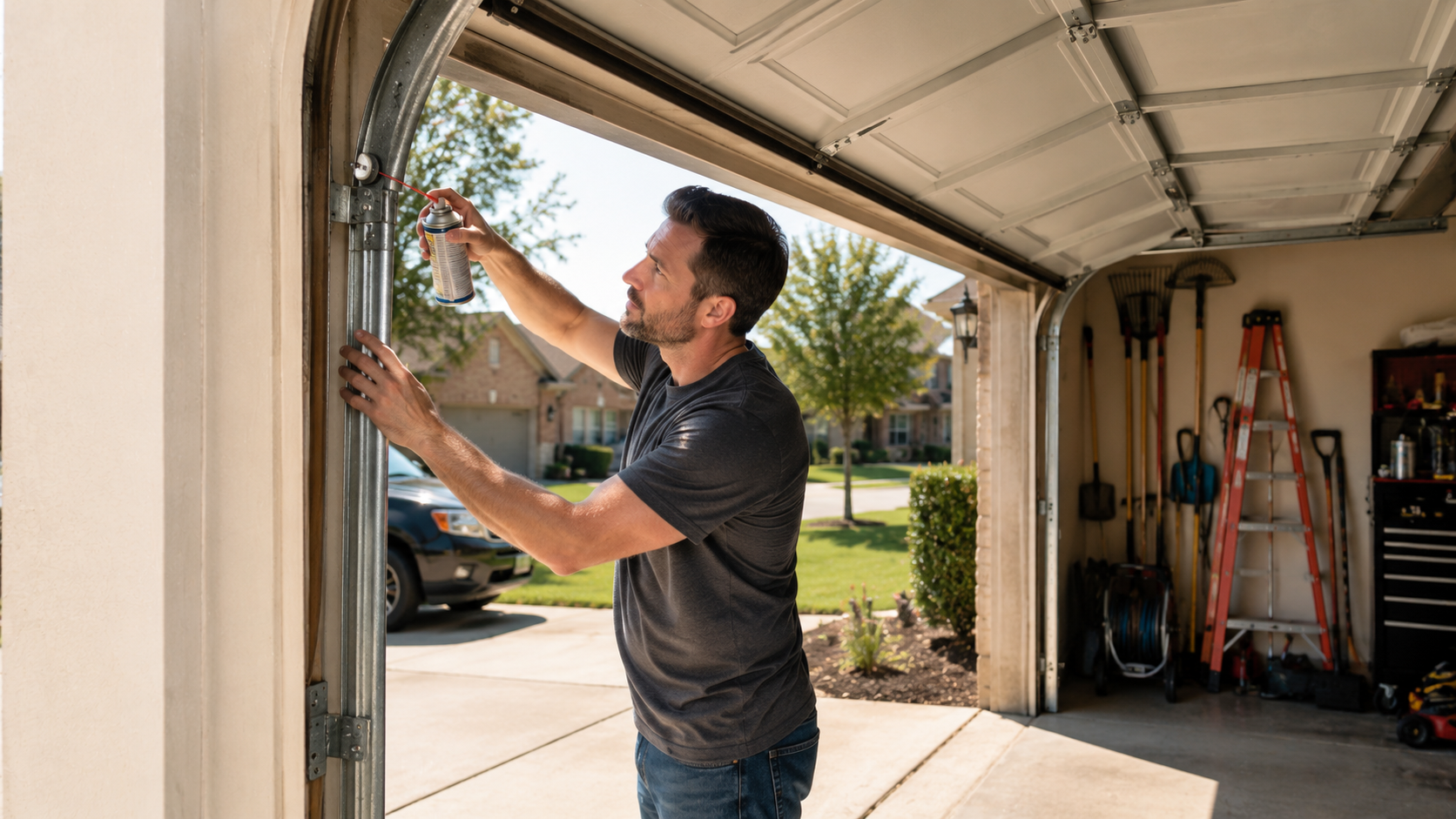
You can sometimes free a stuck lever with a spray of penetrating lubricant directly on the mechanism. Apply it, wait a few minutes, then try pulling the cord again with a smooth, firm motion. Do not yank it hard — a forceful pull on a corroded lever can snap the cord entirely and make the situation worse.
If lubrication does not free the lever within two or three attempts, the mechanism needs professional inspection. Forcing a corroded component never ends well.
Reason #4 — The Cord Itself Is Broken or Too Short
Red cords take more abuse than you might expect. Curious kids pull them. Moving boxes brush against them. Some homeowners cut them shorter thinking it looks tidier. Over years, the cord frays, snaps, or gets pulled completely free from its handle.
A broken or missing cord means you have no way to trigger the release at all — even if the mechanism behind it works perfectly. The fix here is straightforward: replace the cord and handle. These are inexpensive parts available at any hardware store, and reattaching them to the release lever is a basic task most homeowners can handle with a ladder and five minutes.
The only caution — make sure you reattach the cord to the correct point on the lever so it actually engages the release rather than just hanging decoratively.
Reason #5 — The Door Is Locked in the Down Position
This one catches people off guard. If your garage door has a manual slide lock — a horizontal bar that slides across the door panels — and that lock is engaged, no amount of pulling the emergency release cord will allow the door to open. The cord releases the door from the opener. It does not unlock a manual lock.
Check both sides of your door for a sliding bar or latch in the locked position. Disengage it first, then try the emergency release. This is surprisingly often the full explanation, especially in older homes where manual locks are still installed.
What Fix-N-Go TX Does When the Emergency Release Fails
A jammed release lever, a disconnected trolley cord, a seized mechanism, or a door stuck under broken spring tension — these are not problems you want to troubleshoot alone under pressure.
At Fix-N-Go TX, the technicians handle emergency garage door situations with the speed and precision that urgent repairs demand. Whether the emergency release has physically failed, the door is trapped due to a snapped spring or cable, or the entire opener system needs assessment after a manual override attempt went wrong, Fix-N-Go TX diagnoses the full picture and fixes it right.
The team also performs the preventive maintenance that keeps emergency release mechanisms working reliably — so you are never caught off guard when you need it most. Visit fixngotx.net to schedule a service call or request emergency repair assistance.
How to Manually Open Your Garage Door Safely Right Now
If you need to get your door open immediately and the release is working but the door is stuck, here is the safest sequence to follow.
First, make sure the opener is completely powered off or unplugged. Never try to manually open a door while the opener is active — the motor can re-engage and cause serious injury.
Pull the red cord firmly at a downward angle — not straight down, not horizontally. This angle engages the release lever most effectively. You should hear or feel a click when it disengages from the trolley.
With both hands, lift the door from the bottom using the handle or the panel edge. Apply even pressure across both sides. If the door rises smoothly, great. If it feels locked in place or impossibly heavy, stop immediately. You have a spring or cable issue that needs professional resolution before the door moves.
Once the door is open, prop it securely if you need to drive through. A disconnected door has no automatic stop — it will fall if unsupported.
Frequently Asked Questions
Q: Can I reconnect the garage door to the opener after using the emergency release?
A: Yes — simply pull the red cord toward the door (instead of away from it) to re-engage the trolley, then run the opener once to lock it back into the carriage mechanism.
Q: Why does my emergency release cord keep coming loose?
A: The attachment clip on the trolley lever is likely worn or broken — a quick repair that a technician can fix in one visit before it fails again at the wrong moment.
Q: Is it safe to operate my garage door manually long-term after the release is triggered?
A: Short-term yes, but manually operating a disconnected door puts extra strain on cables and springs — reconnect it to the opener or have it serviced as soon as possible.
Q: What should I do if the emergency release cord is completely missing?
A: Do not attempt to trigger the release lever by hand — the mechanism is under tension. Call a professional to safely reattach a new cord and inspect the full release system.
Q: How often should the emergency release mechanism be tested?
A: Test it once or twice a year as part of routine garage door maintenance — just pull the cord, manually lift the door a foot, then re-engage the trolley. It takes two minutes and confirms the system works before you actually need it.
Conclusion
A garage door emergency release not working strips away your last line of defense when the power goes out or the opener fails. The causes range from a disconnected cord and a corroded lever to a door physically trapped by a snapped spring — and each one has a different fix. Start by diagnosing before you force anything. Check whether the door itself is stuck, whether the cord is still attached to the trolley, and whether a manual lock is engaged. Handle the simple fixes yourself. For anything involving springs, cables, or a mechanism that will not budge — call Fix-N-Go TX. Visit fixngotx.net and get it sorted before the next power outage puts you to the test.
You might also like
Fix N Go Blog