Garage Door Spring Replacement Frequency: How Often Should You Replace Garage Door Springs?
Garage door spring replacement frequency depends on how often you use your garage door, the quality of the springs, and how well they are maintained. Most standard garage door springs last between 7 to 10 years or around 10,000 opening and closing cycles before replacement becomes necessary.
Ignoring worn springs can lead to sudden failures, costly repairs, and safety hazards. Understanding when to replace them helps homeowners and property managers keep their garage doors operating safely and avoid unexpected breakdowns.
Why Garage Door Springs Have a Limited Lifespan
Garage door springs are responsible for carrying almost the entire weight of your garage door every time it opens or closes. While they are built to withstand thousands of cycles, they eventually wear out due to constant tension and repeated movement.
Unlike garage door panels or tracks, springs are considered wear-and-tear components. Even with proper maintenance, every spring reaches the end of its service life.
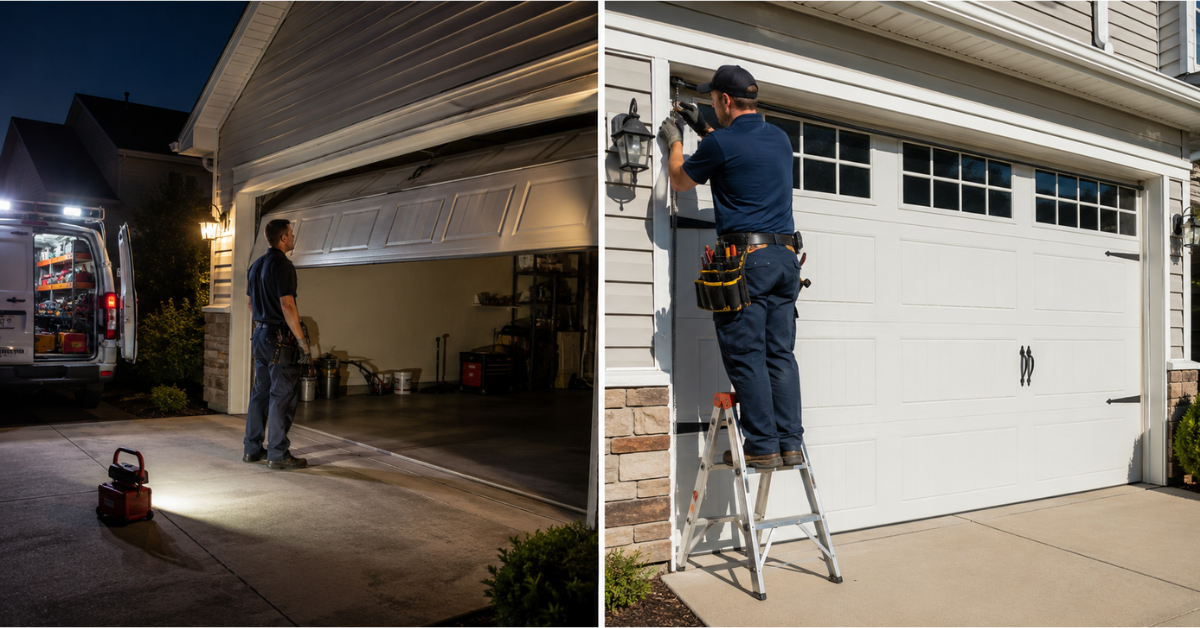
How Garage Door Springs Work
Garage doors typically use one of two spring systems:
| Spring Type | Best For | Typical Lifespan |
|---|---|---|
| Torsion Springs | Most residential garage doors | Around 10,000 cycles |
| Extension Springs | Older or lighter garage doors | Around 10,000 cycles but generally wear faster |
Torsion springs mount above the garage door and twist to store energy. Extension springs stretch alongside the horizontal tracks. Both perform the same function, but torsion systems generally provide smoother operation and last longer.
What Does a Cycle Mean?
Many homeowners think garage door springs are measured in years, but manufacturers actually rate them in cycles.
One cycle equals:
- Opening the garage door once
- Closing the garage door once
If your family leaves for work in the morning, returns home in the evening, and occasionally opens the garage during the day, those trips quickly add up.
For example:
| Daily Usage | Approximate Annual Cycles | Estimated Spring Life |
|---|---|---|
| 2 cycles/day | 730 | 13–14 years |
| 4 cycles/day | 1,460 | 7 years |
| 6 cycles/day | 2,190 | 4–5 years |
| 8 cycles/day | 2,920 | About 3 years |
This explains why two identical homes may replace springs at completely different times.
How Houston's Climate Affects Garage Door Spring Lifespan
Where you live has more impact on your garage door springs than most homeowners realize — and Houston presents some specific challenges.
Heat expansion
Summer temperatures in Houston regularly climb past 95°F, and inside an unshaded garage, hardware can reach well over 120°F. Repeated heating and cooling cycles reduce spring elasticity over time.
Humidity and rust
Houston's humidity averages around 75%, and it's higher near Clear Lake and Kemah. Unlubricated springs develop surface rust within a couple of years, and rusted coils fail much sooner.
Hurricane and storm stress
Tropical storms slam garage doors with sudden pressure changes. Houston homeowners are wise to have their springs inspected after any major weather event.
Neighborhood-specific factors
In older Houston neighborhoods with larger, heavier custom garage doors — think River Oaks, Tanglewood, Memorial, and West University — springs work harder every cycle than they would on a builder-standard door in Katy or Cypress. Heavy solid-wood carriage doors can cut spring life in half.
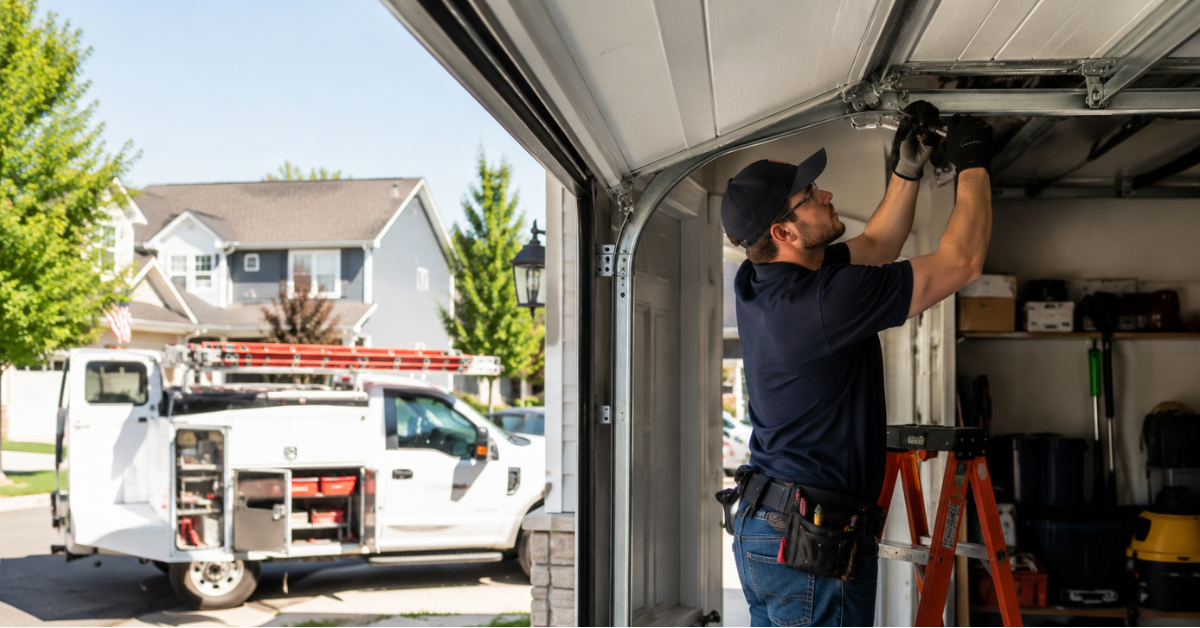
Signs Your Garage Door Springs Need Replacement
Garage door springs rarely fail without warning. Most begin showing subtle signs weeks or even months before breaking completely.
Recognizing these early symptoms can help you schedule service before the door becomes inoperable.
Common warning signs include:
- The garage door feels unusually heavy.
- The opener struggles to lift the door.
- The door only opens a few inches before stopping.
- You hear loud squeaking or popping noises.
- The garage door closes unevenly.
- Gaps appear in the torsion spring.
A visible separation in a torsion spring almost always indicates that replacement is necessary.
If your garage door suddenly becomes stuck or the spring breaks unexpectedly, immediate professional service is the safest solution. Learn more about our
Emergency Garage Door Repair
services for fast assistance when your garage door cannot be safely operated.
Why Waiting Too Long Can Cost More
Many homeowners delay spring replacement because the garage door still opens.
Unfortunately, worn springs place extra stress on every connected component.
These include:
- Garage door opener
- Lift cables
- Rollers
- Hinges
- Drums
- Bearing plates
As spring tension weakens, the opener works harder to compensate. Over time, this can shorten the lifespan of expensive components that otherwise could have lasted many more years.
Replacing springs before complete failure is often far less expensive than repairing multiple damaged parts after a major breakdown.
Should You Replace One Spring or Both?
This is one of the most common questions homeowners ask.
If your garage door uses a two-spring system, replacing both springs at the same time is generally recommended.
Even if only one spring breaks, the second has usually experienced the same number of cycles and is likely approaching the end of its lifespan.
Installing one new spring beside one worn spring can also create uneven lifting force, placing unnecessary strain on the garage door system.
Professional technicians typically recommend replacing both springs together for improved balance, smoother operation, and longer-lasting performance.

When Should You Schedule a Garage Door Spring Replacement?
Instead of waiting for a spring to snap unexpectedly, it's better to replace it once it approaches the end of its expected lifespan. A proactive replacement reduces the chances of getting stuck inside or outside your garage and minimizes the risk of additional damage to the garage door system.
For most homeowners, scheduling an inspection every year allows a technician to monitor spring wear and identify issues before they become serious.
Consider scheduling a replacement if:
✔ Your springs are more than seven years old with regular daily use.
✔ The garage door feels heavier than normal.
✔ The opener begins working harder to lift the door.
✔ You notice visible rust, gaps, or stretched coils.
✔ Your technician recommends replacement during a routine inspection.
For rental properties and commercial buildings with frequent daily operation, inspections may be needed more often since higher cycle counts reduce spring life more quickly.
Can You Replace Garage Door Springs Yourself?
Many homeowners search online for DIY tutorials, but garage door spring replacement is one repair that is best left to trained professionals.
Garage door springs are under extreme tension. Improper handling can cause the spring to release its stored energy suddenly, potentially leading to severe injuries or damage to the garage door.
Professional technicians use specialized winding bars, safety procedures, and the correct spring specifications to ensure the door operates safely after installation.
A professional replacement also includes checking other components that often wear alongside the springs, including:
- Lift cables
- Rollers
- Drums
- Center bearings
- Hinges
- Garage door balance
If your springs have already failed or you suspect they're nearing the end of their life, scheduling a professional
Spring Repair Service can help restore safe operation while preventing unnecessary wear on other components.
How Routine Maintenance Extends Spring Life
Routine maintenance is one of the single biggest factors in whether your garage door springs reach their full cycle rating or fail years early. In the Houston area especially, where summer heat, humidity, and occasional hurricane weather all put extra strain on spring systems, consistent upkeep pays off.
A well-maintained spring system runs quieter, puts less stress on your garage door opener, and gives you more warning before a failure occurs. Homeowners who lubricate springs and rollers every three to six months, check door balance twice a year, and schedule a professional inspection annually often get several extra years of reliable service out of their springs.
For Houston homeowners in humid neighborhoods near the coast — including Clear Lake, Webster, and areas closer to Galveston Bay — extra attention to rust prevention is especially important. A light coat of silicone-based lubricant on the springs helps block moisture that would otherwise accelerate wear.
Quick Maintenance Checklist
Following a simple maintenance routine can significantly improve the overall reliability of your garage door system.
| Maintenance Task | Recommended Frequency |
|---|---|
| Visual spring inspection | Monthly |
| Lubricate springs and rollers | Every 3–6 months |
| Test garage door balance | Every 6 months |
| Professional garage door inspection | Annually |
| Replace worn springs | As recommended by a technician or near cycle limit |
While homeowners can safely perform visual inspections and lubrication, adjustments involving spring tension should always be handled by trained professionals.
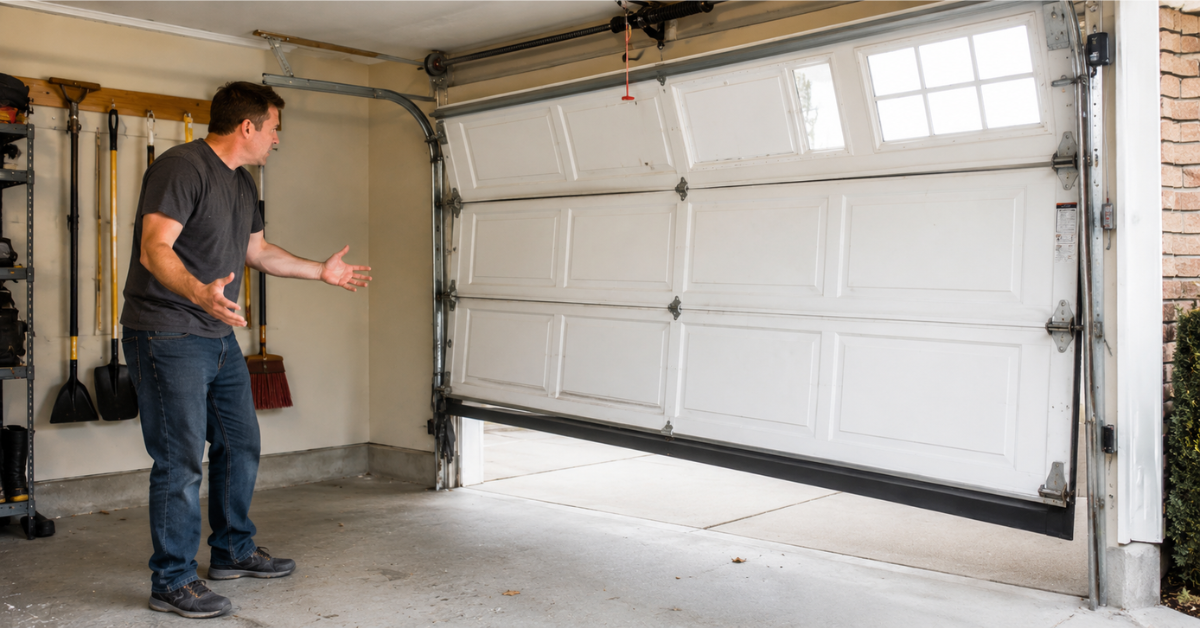
Why Professional Spring Replacement Is Worth It
Choosing professional garage door spring replacement provides more than simply installing new springs.
A qualified technician ensures:
✔ Proper spring sizing
✔ Balanced door operation
✔ Safe tension adjustment
✔ Complete safety inspection
✔ Reduced wear on your garage door opener
✔ Longer overall system lifespan
Using incorrect springs or improper installation methods can create uneven lifting force, causing premature wear on both the opener and other moving parts.
For homeowners and property managers, professional installation often saves money over time by preventing repeated repairs and unexpected failures.
Keeping Your Garage Door Reliable
Understanding garage door spring replacement frequency helps you avoid inconvenient breakdowns and expensive emergency repairs. Since garage door springs have a limited number of operating cycles, replacing them before complete failure protects your opener, cables, and the rest of your garage door system.
Routine inspections, regular lubrication, and timely professional service all contribute to a safer and more dependable garage door. Whether you own a single-family home or manage multiple rental properties, staying ahead of spring wear helps ensure your garage door continues operating smoothly for years to come.
Frequently Asked Questions
How often should garage door springs be replaced?
Most garage door springs should be replaced after approximately 10,000 cycles or about 7 to 10 years for the average household. However, the actual lifespan depends on how frequently the garage door is used each day. Homes with multiple drivers or rental properties often reach the cycle limit much sooner than homes with lighter usage. Annual professional inspections help determine when replacement is becoming necessary before the spring fails unexpectedly.
What happens if I don't replace worn garage door springs?
Continuing to use worn garage door springs increases the risk of sudden spring failure and places extra stress on other garage door components. As spring tension weakens, the garage door opener must work much harder to lift the door, which can shorten the life of the motor, cables, rollers, and hinges. Replacing worn springs early is usually far less expensive than repairing multiple damaged parts after a complete breakdown.
Can garage door springs last longer than 10 years?
Yes, garage door springs can sometimes last longer than 10 years if the garage door is used infrequently and receives regular maintenance. Homes that only operate the garage door a few times each day may take much longer to reach the spring's rated cycle limit. Lubricating moving parts, scheduling annual inspections, and addressing minor issues early all help maximize spring lifespan while maintaining safe operation.
Should both garage door springs be replaced at the same time?
Yes, replacing both springs together is generally the safest and most cost-effective approach for garage doors with a two-spring system. Since both springs have completed nearly the same number of cycles, the remaining spring is usually close to wearing out as well. Installing two new springs provides balanced lifting force, smoother operation, and reduces the likelihood of another service call shortly after replacing only one spring.
Need Spring Replacement in Houston?
Same-day service across Houston, Memorial, River Oaks, Bellaire, West U, The Heights, Sugar Land, and Katy.
📞 Call (832) 400-2992 Schedule Online
You might also like
Fix N Go Blog