How To Replace Clopay Garage Door Bottom Seal?
Maintaining a properly functioning bottom seal for your Clopay garage door is essential for various reasons. Not only does it contribute to the overall insulation of your garage, but it also helps keep out unwanted elements such as drafts, debris, and pests. Over time, due to wear and tear, the bottom seal may deteriorate, compromising its effectiveness. In such cases, it becomes necessary to replace the bottom seal to ensure optimal performance of your garage door system. This guide provides an overview of the importance of maintaining a functional bottom seal and outlines the step-by-step process of replacing it, helping you maintain the efficiency and security of your garage.
The Bottom Seals Of Clopay Garage Doors
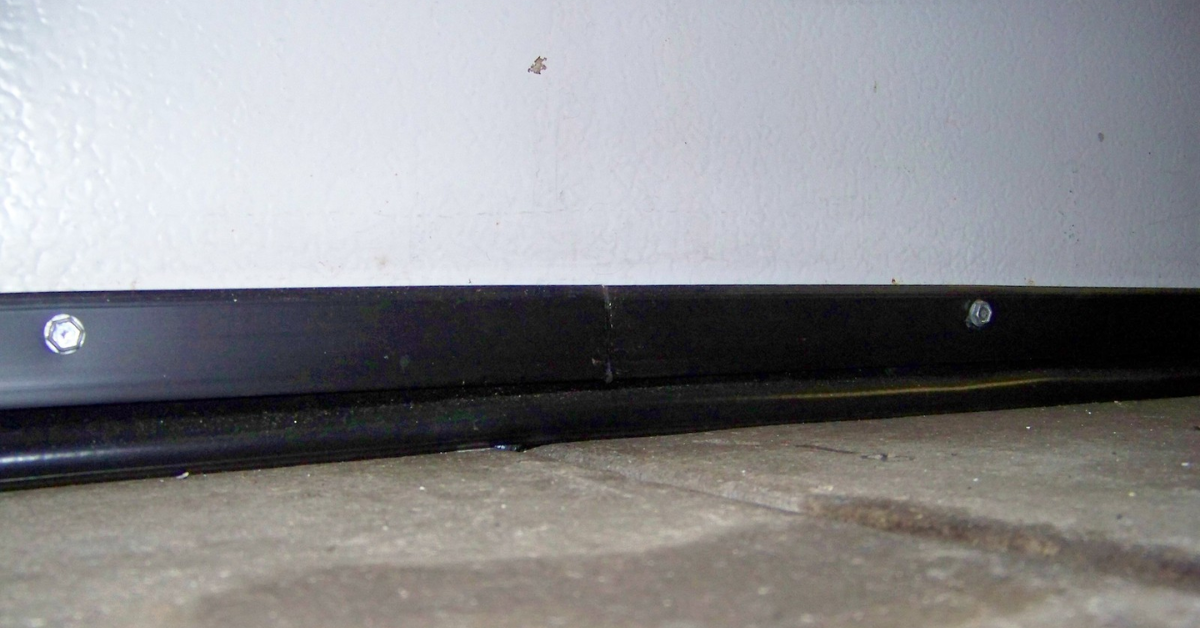
Garage door bottom seals, particularly those designed by Clopay, serve a critical role in maintaining the integrity of your garage space. These seals are strategically placed along the bottom edge of the garage door to create a barrier against various external elements.
One of the primary functions of bottom seals is to prevent drafts from entering the garage. By creating a tight seal along the bottom of the door, they help regulate the temperature inside the garage, making it more energy-efficient and comfortable. Bottom seals act as a barrier against dust, debris, and moisture, keeping your garage clean and free from potential damage.
Clopay is renowned for its innovative approach to garage door technology, and their bottom seals are no exception. Typically made from durable rubber or vinyl materials, Clopay's bottom seals are designed to withstand harsh weather conditions and frequent use. They feature a flexible construction that allows them to conform to the contours of the garage floor, ensuring a tight seal that effectively blocks out unwanted elements.
Moreover, Clopay offers a variety of bottom seal designs to accommodate different garage door models and configurations. Whether you have a sectional door, roll-up door, or any other type of Clopay garage door, you can find a compatible bottom seal that meets your specific needs.
Signs That Your Clopay Garage Door Bottom Seal Needs Replacement
While Clopay's garage door bottom seals are designed to be durable, they can deteriorate over time due to continuous exposure to environmental factors and regular wear and tear. Recognizing the signs of a deteriorating bottom seal is crucial for maintaining the functionality and efficiency of your garage door system.
Visible Wear and Tear: Inspect the bottom seal for signs of cracking, splitting, or tearing. Over time, exposure to sunlight and fluctuating temperatures can cause the rubber or vinyl material to degrade.
Loss of Flexibility: A deteriorated bottom seal may become stiff or rigid, losing its ability to effectively seal gaps between the garage door and the floor.
Water Leakage: If you notice water seeping into your garage during rainfall or when washing your vehicle, it could indicate that the bottom seal is no longer providing adequate protection against moisture.
Drafts and Pest Infestation: An ineffective bottom seal may allow drafts to enter the garage, compromising its insulation properties. Additionally, gaps in the seal can provide entry points for pests such as insects and rodents.
Impact on Garage Door Performance and Energy Efficiency
A worn or damaged bottom seal can have significant repercussions on the performance and energy efficiency of your garage door system. Without a proper seal, your garage may experience temperature fluctuations, making it more challenging to maintain a comfortable environment. Moreover, increased drafts and moisture infiltration can lead to corrosion and damage to your garage door components over time.
Regular inspection and timely replacement of your Clopay garage door bottom seal are essential for preserving the functionality and efficiency of your garage door system. By addressing signs of wear and damage promptly, you can ensure optimal performance and prolong the lifespan of your Clopay garage door.
Tools and Materials Needed
- Utility Knife: For cutting and trimming the bottom seal to the appropriate length.
- Screwdriver: Used to loosen and remove fasteners securing the old bottom seal.
- Pliers: Helpful for gripping and removing stubborn fasteners.
- Rubber Mallet: Used to gently tap the new bottom seal into place.
- Measuring Tape: Essential for accurately measuring the length of the bottom seal needed.
- Replacement Bottom Seal: Ensure you have the correct size and type of bottom seal compatible with your Clopay garage door.
- Cleaning Supplies: Such as a brush or rag to clean the bottom of the door before installing the new seal.
- Lubricant: Optional but may be useful for easing the installation process, particularly if the bottom seal needs to slide into a track.
Safety Equipment Required for the Task
- Safety Glasses: Protect your eyes from any debris or sharp edges during the removal and installation process.
- Work Gloves: Provide grip and protect your hands from cuts or abrasions while handling tools and materials.
- Closed-Toe Shoes: Prevent injuries from falling tools or parts.
- Sturdy Ladder: If needed to reach the garage door, ensure it's stable and secure before use.
Step-by-Step Guide to Replacing Clopay Garage Door Bottom Seal:
1. Preparing the Workspace and Ensuring Safety Precautions:
- Disconnect the power to the garage door opener to prevent any accidental activation.
- Clear the area around the bottom of the garage door to provide ample workspace.
- Put on safety glasses and work gloves to protect yourself during the replacement process.
2. Removing the Old Bottom Seal
- Examine how the old bottom seal is attached to the door. It may be held in place by a track or retainer.
- Use a screwdriver or pliers to loosen and remove any fasteners securing the old bottom seal.
- Once the fasteners are removed, carefully pull or slide the old bottom seal away from the bottom edge of the garage door.
3. Installing the New Bottom Seal
- Measure the width of the garage door and ensure you have the correct size of replacement bottom seal.
- Starting from one end, insert the new bottom seal into the track or retainer along the bottom edge of the garage door. Ensure it is snugly fitted.
- If necessary, use fasteners or adhesive recommended by Clopay to secure the new bottom seal in place along the entire length of the door.
4. Testing the New Seal for Proper Fit and Functionality:
Close the garage door and observe if the new bottom seal creates a tight seal against the garage floor.
Open and close the door several times to ensure smooth operation without any interference from the new seal.
Maintenance Tips for Extending the Lifespan of Clopay Garage Door Bottom Seals
Maintaining your Clopay garage door bottom seal is essential for ensuring its longevity and effectiveness in sealing out unwanted elements. Here are some maintenance tips to help you extend the lifespan of your bottom seal:
Regular Inspection Schedule
To ensure the longevity and effectiveness of your Clopay garage door bottom seal, it's essential to establish a regular inspection routine. During these inspections, carefully examine the seal for any signs of wear, including cracks, tears, or deformities, which could hinder its ability to provide a proper seal. Additionally, check for gaps or areas where the seal may have become detached from the door, as this could compromise its effectiveness in keeping out drafts, debris, and pests. By proactively identifying and addressing any issues, you can maintain the integrity of your garage door system and prolong the lifespan of your Clopay bottom seal.
Cleaning and Lubrication
To maintain the effectiveness of your Clopay garage door bottom seal, it's important to keep it clean and well-maintained. Regularly remove dirt, debris, and buildup from its surface to prevent any blockages that could affect its sealing capabilities. Use a mild detergent and water solution to gently clean the seal, ensuring to rinse thoroughly and allow it to dry completely. Avoid using harsh chemicals or abrasive cleaners, as these can damage the seal's material and compromise its functionality. Additionally, apply a silicone-based lubricant to the bottom seal to keep it supple and prevent drying out, particularly in areas with extreme temperatures. By following these maintenance steps, you can extend the lifespan of your Clopay garage door bottom seal and ensure optimal performance.
Adjustments to Ensure Proper Alignment and Sealing Effectiveness:
Periodically check the alignment of your garage door to ensure it is properly seated on the bottom seal. Adjust the bottom seal as needed to maintain a tight seal against the garage floor. If the seal appears misaligned or is not sealing properly, make necessary adjustments to ensure proper alignment and effectiveness.
Conclusion
Maintaining a functional bottom seal is crucial for Clopay garage doors to effectively protect against drafts, debris, and pests, while also ensuring optimal energy efficiency and performance. Regular inspection and timely replacement of the bottom seal are essential tasks to uphold the integrity of your garage door system. Remember to follow safety precautions and utilize appropriate tools when replacing the bottom seal. By prioritizing maintenance and staying vigilant, you can extend the lifespan of your Clopay garage door bottom seal and enjoy continued protection and performance for your garage door.
If you encounter challenges or prefer expert assistance with replacing your Clopay garage door bottom seal, consider contacting Fix N GO Garage Door Repair. Their team of skilled technicians specializes in garage door repairs and maintenance, including bottom seal replacement for various garage door models.
You might also like
Fix N Go Blog