The Role of Technology in the Garage Door Industry

Rabia Tingat • January 6, 2025

The garage door industry has undergone a significant transformation over the past few decades, with technology playing a crucial role in reshaping the way garage doors operate, are installed, and are maintained. From automation to security features, technology has made garage doors smarter, safer, and more energy-efficient. This article explores how modern innovations have impacted the garage door industry, bringing forth improvements that benefit homeowners, businesses, and manufacturers alike.


1. Automation and Smart Technology

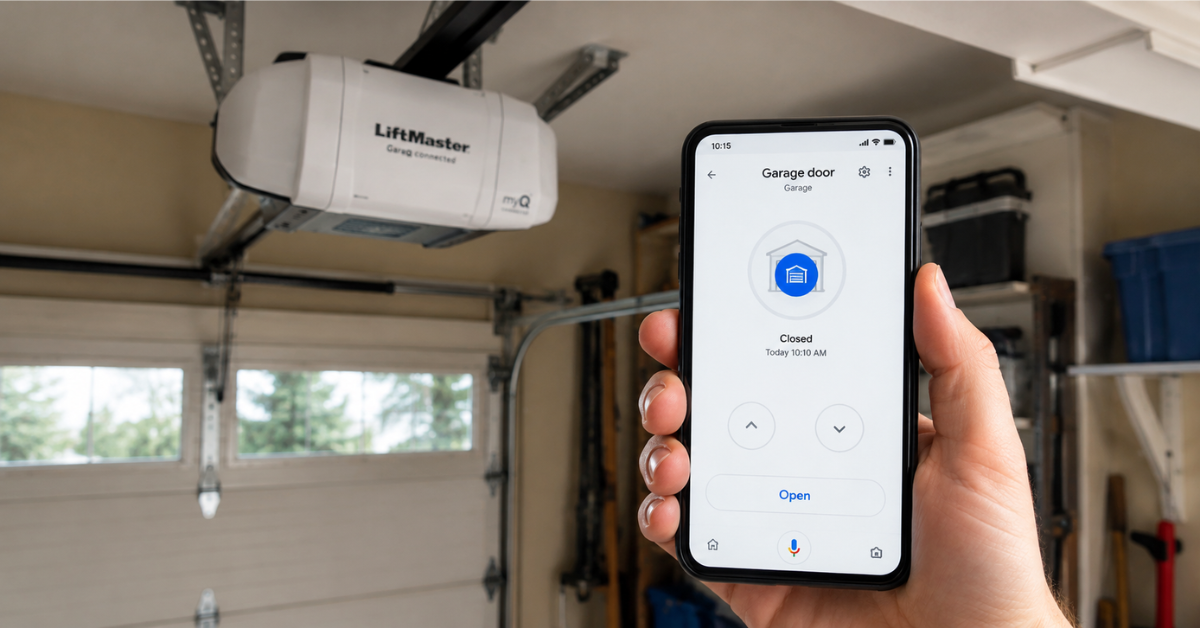
One of the most notable advancements in the garage door industry is the introduction of automation and smart technology. Gone are the days of manually opening and closing garage doors. With the advent of automated systems, garage doors can now be controlled with a simple push of a button, or even through a smartphone app. Smart garage door openers allow users to operate their garage doors remotely, offering convenience and flexibility.


These smart systems often come with additional features, such as alerts and notifications. For instance, homeowners can receive a notification if they forget to close their garage door, or if someone is opening it without permission. This integration of technology provides an extra layer of security and peace of mind, ensuring that garage doors remain properly secured when needed.


Moreover, smart garage door openers can integrate with home automation systems like Amazon Alexa, Google Assistant, or Apple HomeKit. This enables voice-activated control, further enhancing user experience and convenience. With smart technology, homeowners can now open or close their garage doors with just a voice command, even from a distance.


2. Improved Security Features


Security has always been a top priority when it comes to garage doors, and technology has significantly enhanced this aspect. Today, many modern garage doors are equipped with advanced security features such as rolling code technology and smart sensors. Rolling code technology changes the code every time the door is operated, making it nearly impossible for thieves to access the system using code scanners or hacks. This added layer of security prevents unauthorized entry, safeguarding the home and its contents.


Integrated security cameras are also becoming increasingly common in garage door systems. These cameras allow homeowners to monitor their garage remotely, either through a smartphone app or a home security system. Some garage door systems even include motion sensors, which can alert homeowners to any suspicious activity near the garage.


Smart garage doors can also be equipped with biometrics, such as fingerprint recognition or facial recognition. These advanced security features are ideal for those who seek maximum protection and control over who enters their garage space.


3. Enhanced Energy Efficiency


Technology has also made garage doors more energy-efficient, which is an important consideration for homeowners looking to reduce their energy bills and their carbon footprint. Insulated garage doors, which feature advanced materials and design techniques, help to regulate the temperature inside the garage, keeping it cooler in the summer and warmer in the winter. This reduces the need for heating and cooling systems, ultimately leading to lower energy consumption.


In addition to improved insulation, smart garage doors also play a role in energy efficiency. Some smart systems can be programmed to open or close at specific times of the day, helping to maintain the optimal temperature inside the garage. This level of automation helps minimize the amount of time the garage door is open, reducing energy loss.


4. Remote Diagnostics and Maintenance


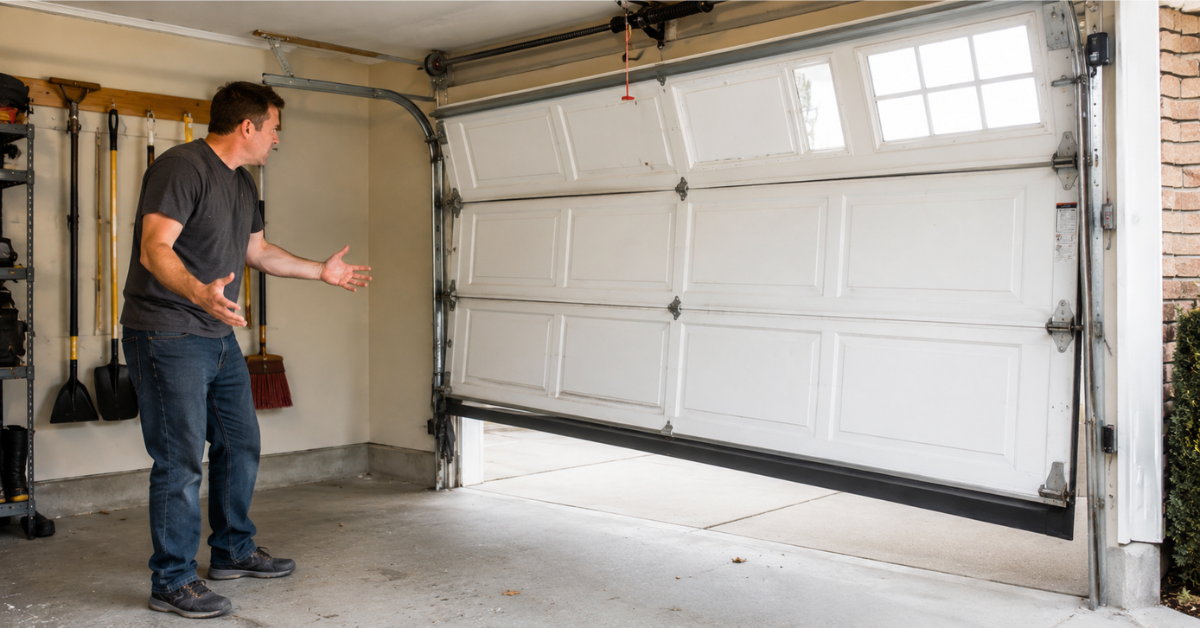
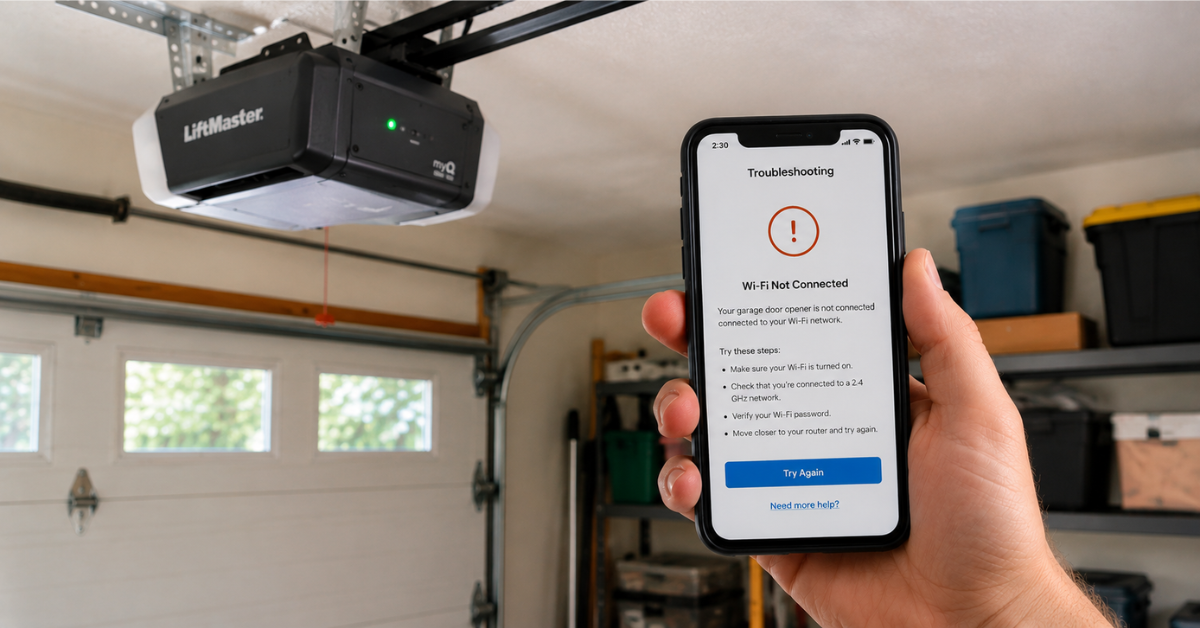
Another significant contribution of technology to the garage door industry is the ability to remotely diagnose and perform maintenance on garage door systems. Many modern garage doors come with built-in diagnostic tools that can alert homeowners or service providers to potential issues, such as wear and tear on the door’s tracks or motor. This early detection can prevent costly repairs by addressing problems before they escalate.


Some garage door manufacturers offer service contracts that include remote diagnostics. Through sensors in the system, technicians can detect problems without having to be on-site. If a part needs replacing, the technician can often order the part and schedule a visit without requiring a home inspection. This streamlines the maintenance process and ensures that the garage door remains in optimal working condition.


5. Customizable Designs and Aesthetics


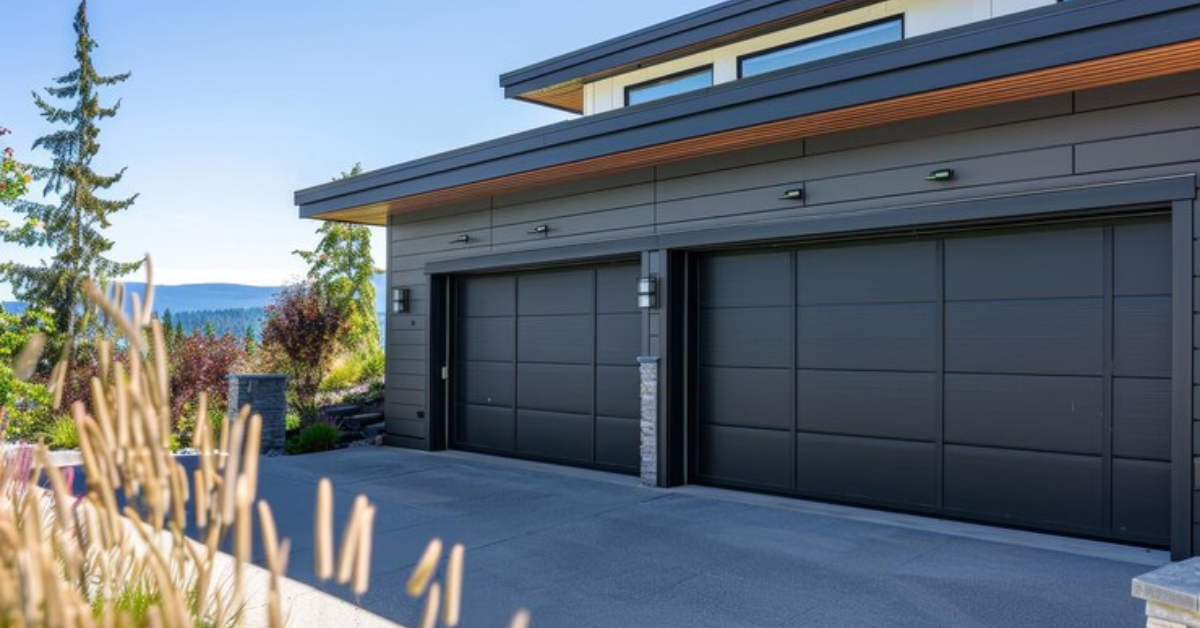
Technology has also allowed for greater customization in the design of garage doors. With the use of advanced materials, 3D modeling, and digital printing, homeowners can now design garage doors that match their style preferences and the architectural aesthetics of their home. This level of customization ensures that homeowners can achieve both functionality and visual appeal, as garage doors are no longer just a basic entryway but a key component of a home’s exterior.


Some garage doors now come with programmable lighting systems, allowing homeowners to create the perfect ambiance in their garage. Whether it’s for added security, convenience, or visual appeal, the integration of technology in design options has revolutionized how people perceive and use their garage spaces.


6. The Future of Garage Door Technology


Looking ahead, the future of garage door technology seems bright. Innovations in artificial intelligence (AI) and machine learning are expected to play an even more significant role in the evolution of garage doors. For instance, AI-powered systems could predict and optimize garage door operation based on patterns and behaviors. These systems might learn when a homeowner typically leaves or returns home and adjust garage door operations accordingly.


With the growing trend of sustainable living, we can expect to see more eco-friendly garage doors with advanced insulation, solar panels, and energy-efficient systems. As technology continues to evolve, we can anticipate even more innovative solutions that will make garage doors smarter, safer, and more efficient than ever before.


Conclusion


Technology has undoubtedly revolutionized the garage door industry, making systems smarter, more secure, and more energy-efficient. With innovations such as smart garage door openers, advanced security features, and customizable designs, homeowners now have more control over their garage doors than ever before. As the industry continues to embrace new technologies, it is clear that the future of garage doors will be marked by even greater convenience, safety, and sustainability. Whether you are looking for automation, enhanced security, or energy efficiency, technology is the driving force behind the garage doors of tomorrow.
You might also like

Fix N Go Blog
Why Won’t My Commercial Garage Door Open or Close?
By Rabia Tingat February 16, 2026
Commercial garage door not opening or closing? Learn the most common causes, quick checks, safe fixes, and when to call a pro.
What Size Commercial Garage Door Do I Need?
By Rabia Tingat February 15, 2026
Choosing the right size commercial garage door is one of the most important decisions you’ll make for your building. Whether you’re running a warehouse, auto repair shop, fire station, or retail loading dock, the wrong door size can slow operations, damage vehicles, and lead to expensive modifications later. If you’re asking, “What size commercial garage door do I need?” you’re not alone. Many business owners assume there’s a universal size, but commercial garage doors vary widely depending on use, building layout, and equipment requirements. In this guide, we’ll walk through standard commercial garage door sizes, how to measure properly, and how to choose the right size based on your specific business needs—without overcomplicating things. Why Commercial Garage Door Size Matters Unlike residential doors, commercial garage doors are built for heavy-duty use. They must accommodate larger vehicles, frequent opening cycles, and strict safety standards. Choosing the wrong size can cause daily operational issues, such as vehicles scraping frames or inefficient loading workflows. The correct size ensures: Smooth vehicle entry and exit Safer operations Proper sealing and insulation Long-term durability Essential Maintenance Tips for High-Traffic Commercial Garage Doors Standard Commercial Garage Door Sizes While custom sizing is common, there are several standard commercial garage door sizes used across industries. Most commercial garage doors range from 8 to 14 feet high and 10 to 24 feet wide . However, these are general ranges—not rules. Smaller service bays and workshops often use doors closer to the lower end, while warehouses and loading docks require much larger openings. Common Commercial Garage Door Sizes by Industry Auto Repair Shops and Service Bays: Auto shops typically need doors large enough to accommodate cars, SUVs, and light trucks. A common size is 10 feet wide by 10 feet high , though larger shops may use 12×12 feet doors for added clearance. Warehouses and Distribution Centers: Warehouses require larger doors to accommodate box trucks, forklifts, and pallet movement. Many facilities use doors ranging from 12×14 feet to 18×18 feet . For high-volume logistics operations, even larger custom doors may be necessary. Loading Docks: Loading dock doors are often standardized to align with truck bed heights. A typical commercial overhead door size for loading docks is 8×9 feet or 9×10 feet , depending on dock design and truck types. Fire Stations and Emergency Facilities: Fire stations require tall doors to allow quick exit for emergency vehicles. Common sizes include 14×14 feet or 14×16 feet , ensuring adequate clearance for fire engines and equipment. How to Measure for a Commercial Garage Door Before deciding on a door size, accurate measurements are critical. Measuring incorrectly is one of the most common mistakes businesses make. You’ll need to measure: Width of the opening (side to side) Height of the opening (floor to top) Headroom (space above the opening) Sideroom (space on both sides of the opening) Backroom (depth inside the building) These measurements help determine not only the door size but also the type of door system that will work best. What Size Commercial Garage Door Do I Need for My Vehicles? Vehicle clearance is one of the biggest deciding factors. A good rule is to choose a door that’s at least 2–3 feet taller and wider than your largest vehicle. This extra space reduces the risk of damage and makes daily operations smoother. If your business plans to upgrade vehicles in the future, it’s wise to size up now rather than replace the door later. How Long Do Commercial Garage Doors Last? Door Type Affects Size Requirements The type of commercial garage door you choose can also influence size considerations. Sectional Overhead Doors : These doors open vertically and slide along the ceiling. They’re common and flexible, but they require adequate headroom and backroom. Rolling Steel Doors: Rolling doors coil above the opening, making them ideal for tight spaces. They often work well for wider openings but may have height limitations depending on the coil size. High-Speed Doors : High-speed commercial doors are designed for frequent use and often require precise sizing to maintain performance and safety. Custom vs Standard Commercial Garage Door Sizes If your building doesn’t match standard dimensions, custom sizing may be necessary. Custom doors are common in older buildings, industrial facilities, and specialized operations. While custom doors cost more upfront, they ensure proper fit and long-term efficiency. In many cases, custom sizing is the correct answer to what size commercial garage door do I need. Insulation and Size Considerations Larger doors allow more air transfer, which can impact energy efficiency. If temperature control matters, insulated doors with proper sealing are essential—especially for tall or wide openings. Choosing the right size and insulation together helps control energy costs. Local Building Codes and Regulations Some municipalities have regulations that affect commercial garage door dimensions, especially for fire safety, wind load, and accessibility. Before finalizing your door size, it’s important to check local building codes to avoid costly changes later. Planning for Future Growth One mistake many businesses make is sizing a door only for current needs. If you expect business growth, larger vehicles, or increased traffic, choosing a slightly larger door now can save money and disruption later. Professional Site Assessment Matters While online guides are helpful, a professional site inspection is often the best way to determine the correct size. Experienced installers consider structural support, workflow, and safety—not just measurements. Cost Impact of Door Size Larger commercial garage doors cost more—not just for the door itself, but also for installation, motors, and maintenance. However, choosing a door that’s too small can be even more expensive in the long run due to inefficiency and damage. Conclusion So, what size commercial garage door do I need? The answer depends on your industry, vehicle size, building layout, and future plans. Standard sizes work for many businesses, but custom sizing is often the smartest solution for long-term efficiency and safety. By measuring carefully, understanding your operational needs, and planning ahead, you can choose a commercial garage door that supports your business instead of limiting it. When in doubt, a professional assessment can help you make the right decision the first time. Frequently Asked Questions (FAQ) Q: What is the standard commercial garage door size? A: Standard sizes typically range from 10–24 feet wide and 8–14 feet high , depending on application. Q: How tall should a commercial garage door be? A: The door should be at least 2–3 feet taller than your tallest vehicle or equipment. Q: Can I get a custom-sized commercial garage door? A: Yes, many commercial garage doors are custom-built to fit non-standard openings. Q: Are larger commercial garage doors more expensive? A: Yes, larger doors cost more upfront but often improve efficiency and reduce long-term issues. Q: Should I size my door for future needs? A: Absolutely. Planning for future growth can save significant replacement costs later.
Can Commercial Garage Doors Be Customized?
By Rabia Tingat February 10, 2026
Learn how commercial garage doors can be customized for size, material, insulation, security, and branding to match your business needs.