Top Signs Your Garage Door Spring Needs Repair Immediately
Your garage door works hard every day. You open it in the morning, close it at night, and often use it more than your front door. However, behind that smooth movement is a critical component—the spring. When it starts to fail, the entire system is at risk.
Many homeowners ignore early warning signs. Unfortunately, this often leads to sudden breakdowns or expensive repairs. If you understand the signs your garage door spring needs repair, you can act early and avoid bigger problems.
In this guide, we’ll walk you through the most important warning signs, explain what they mean, and help you decide when to take action.
Why Garage Door Springs Are So Important
Before we dive into the signs, let’s understand why springs matter so much.
Garage door springs carry the weight of the door. Without them, your opener would struggle—or fail completely. These springs store energy and release it to lift and lower the door smoothly.
Because of this, even small garage door spring problems can affect the entire system. Ignoring them can lead to serious damage or safety risks.
Top Signs Your Garage Door Spring Needs Repair
1. The Door Feels Heavy or Hard to Lift
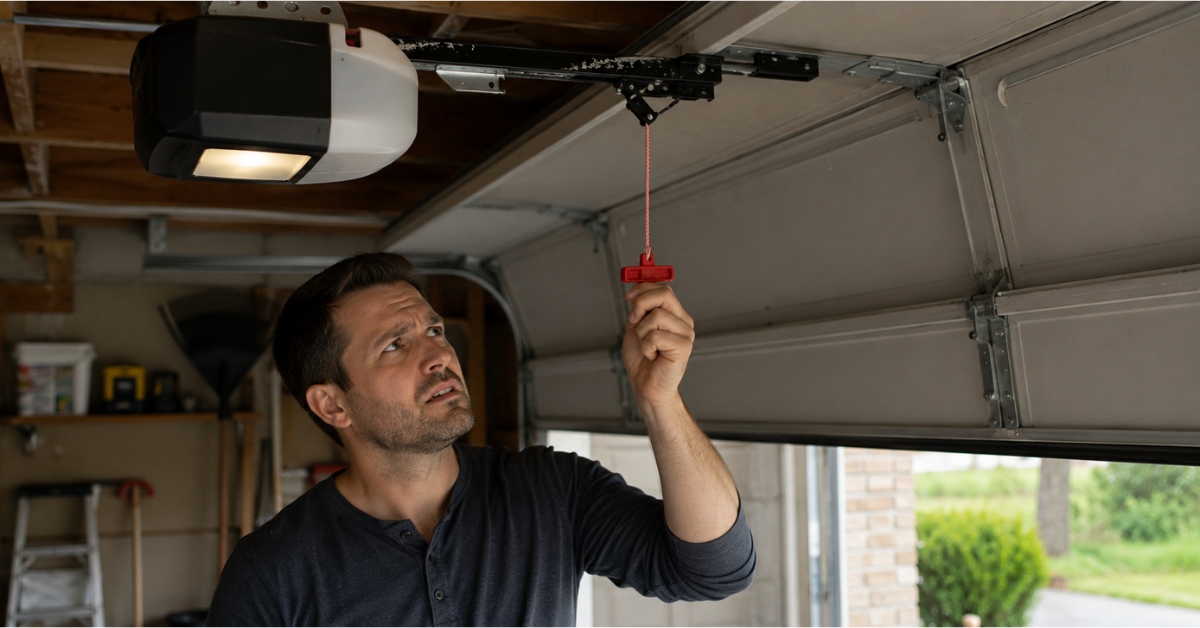
One of the most obvious signs your garage door spring needs repair is a heavy door.
If you try to lift the door manually and it feels unusually heavy, the spring may no longer support the weight. This often means the spring is worn or partially broken. Over time, this issue can strain your garage door opener and lead to complete failure.
2. The Garage Door Won’t Open Fully
Another common issue is when the door opens only a few inches and then stops.
This happens because the spring cannot provide enough tension to lift the door. Many people assume the opener is faulty, but in reality, it’s often one of the key broken garage door spring signs.
3. You Hear a Loud Snapping Noise
Garage door springs don’t always fail quietly.
If you hear a sudden loud bang from your garage, it could be the spring breaking. The sound is often compared to a firecracker or gunshot.
After this, the door may stop working completely. This is a clear signal that your garage door spring needs repair immediately.
4. The Door Opens Unevenly
A balanced garage door should open evenly on both sides. If one side lifts higher than the other, it’s a warning sign.
This usually indicates that one spring is damaged or weaker than the other. Uneven movement puts extra stress on cables and tracks, worsening garage door spring problems over time.
5. The Door Closes Too Fast
If your garage door suddenly slams shut instead of closing smoothly, don’t ignore it.
Springs control the speed of the door. When they fail, the door can drop quickly, creating a serious safety hazard.
This is one of the most dangerous garage spring repair warning signs and should be addressed immediately.
6. Visible Gaps or Damage in the Spring
Sometimes, the signs are visible.
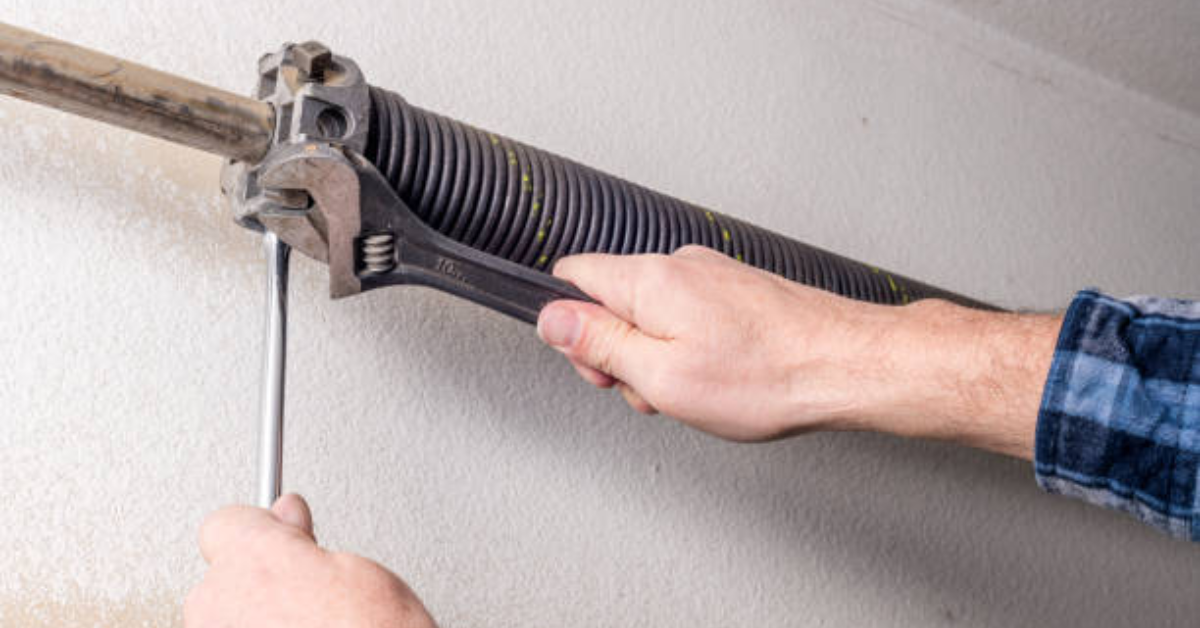
Take a look at your garage door spring. If you notice a gap in the coil or visible damage, the spring is broken. Even a small separation means the spring can no longer function properly. This is a direct indication your garage door spring needs repair.
7. The Opener Struggles or Stops Working
If your garage door opener seems to struggle, slow down, or stop, the issue may not be the motor.
Instead, the opener is likely compensating for a failing spring. Over time, this can damage the opener itself. Addressing the spring early can prevent more expensive repairs later.
8. Jerky or Noisy Door Movement
A smooth garage door should operate quietly and steadily.
If you notice jerky movement, squeaking, or grinding sounds, it may indicate worn-out springs. These are subtle but important garage door spring problems that shouldn’t be ignored.
What Causes Garage Door Spring Failure?
Understanding the causes helps you prevent future issues.
Wear and Tear: Most springs are rated for a limited number of cycles. Daily use eventually wears them out.
Rust and Corrosion: Rust weakens the metal and reduces flexibility, increasing the chance of breakage.
Poor Maintenance: Lack of lubrication or inspection can speed up wear.
Temperature Changes: Extreme weather can cause the metal to expand and contract, leading to cracks.
Why You Should Act Immediately
When you notice signs your garage door spring needs repair, acting quickly is essential.
Delaying repairs can lead to:
- Complete door failure
- Damage to the opener
- Higher repair costs
- Safety hazards for your family
A broken spring can also leave your garage inaccessible, disrupting your daily routine.
Should You Repair It Yourself?
Many homeowners consider DIY repairs. However, this is not recommended. Garage door springs are under high tension. Handling them without proper tools and training can be dangerous. Instead, contact a professional technician who can safely fix the issue.
Preventive Maintenance Tips
While you can’t stop wear completely, you can extend the life of your springs.
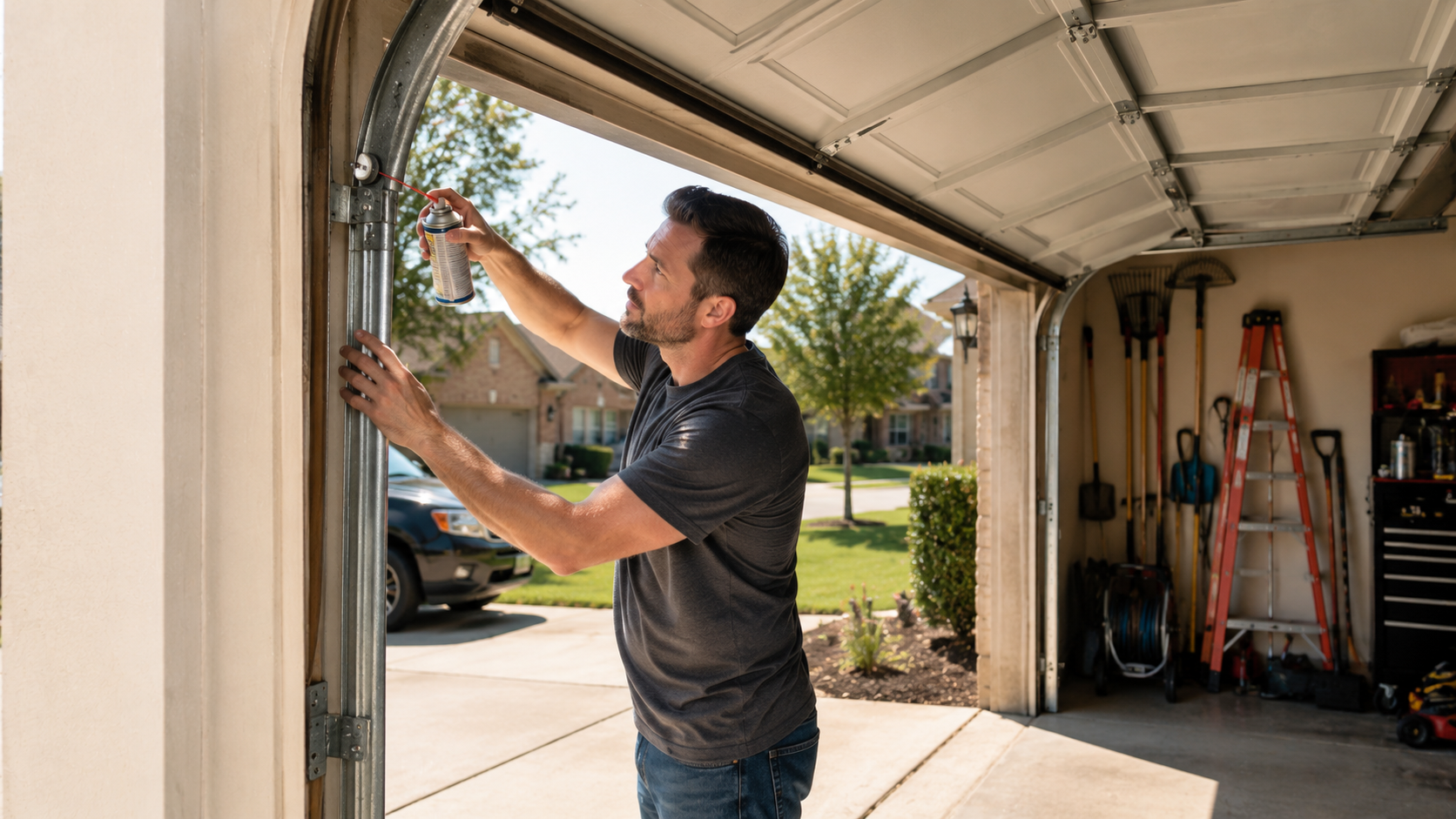
- Lubricate springs regularly
- Inspect for visible damage
- Test door balance occasionally
- Schedule professional maintenance
These simple steps can reduce the risk of sudden failure.
Conclusion
Your garage door spring plays a vital role in the smooth operation of your door. Ignoring early warning signs can lead to bigger problems, higher costs, and serious safety risks.
By recognizing the signs your garage door spring needs repair, you can take action before things get worse. Whether it’s a heavy door, strange noises, or uneven movement, these signals should never be ignored.
In most cases, calling a professional is the safest and smartest choice. It ensures your garage door stays reliable, secure, and easy to use.
FAQs
Q1. How do I know if my garage door spring needs repair?
A: Look for signs like a heavy door, loud snapping noise, uneven movement, or the door not opening properly.
Q2. Can I use my garage door with a broken spring?
A: It is not recommended. Using the door can damage the opener and increase safety risks.
Q3. How long do garage door springs last?
A: Most springs last between 7–10 years, depending on usage and maintenance.
Q4. What happens if I ignore a broken spring?
A: Ignoring the issue can lead to complete door failure and higher repair costs.
Q5. Is garage door spring repair expensive?
A: The cost is usually moderate, but delaying repairs can make it more expensive.
You might also like
Fix N Go Blog