DIY Garage Door Spring Repair: Is It Safe or Too Risky?
DIY Garage Door Spring Repair: Is It Safe or Too Risky?
Garage doors are one of the most used parts of any home. Yet, most homeowners don’t think about the springs until something goes wrong. When spring breaks, the first thought many people have is: Can I fix this myself?
The idea of DIY garage door spring repair sounds appealing. It promises cost savings and quick results. However, this is one repair where things can quickly become dangerous if you’re not careful.
In this article, we’ll explore whether DIY garage door spring repair is safe, what risks are involved, and when it’s better to call a professional.
Understanding Garage Door Springs
Before attempting any repair, you need to understand how garage door springs work. Garage doors rely on two main types of springs:
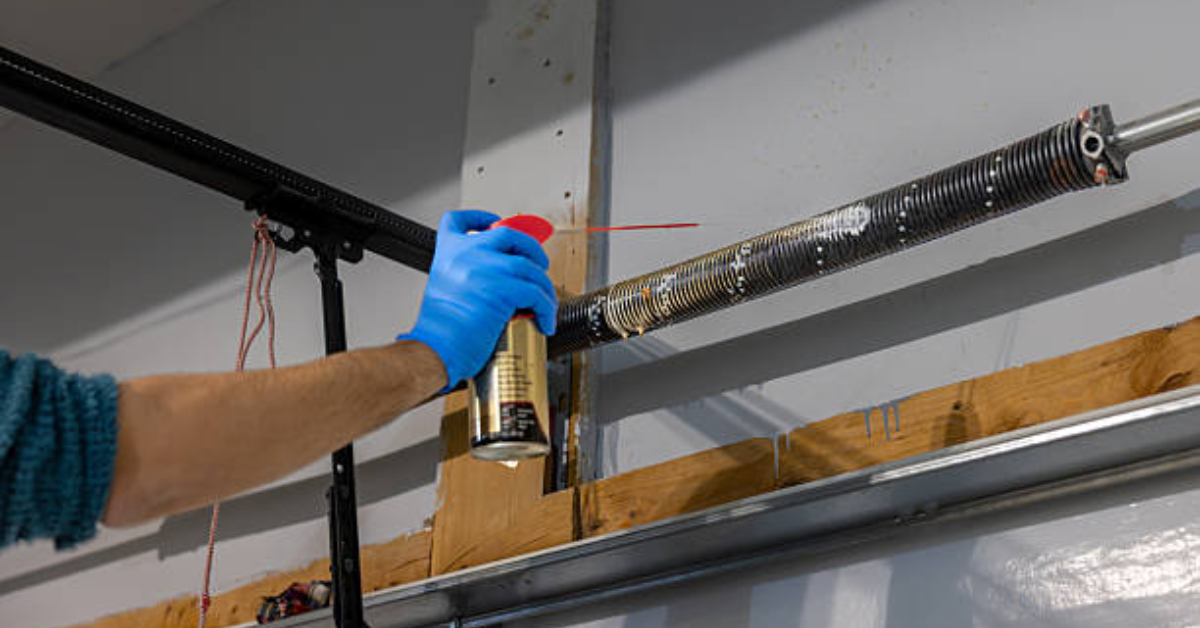
Torsion Springs: These springs are mounted above the garage door. They store energy by twisting and help lift the door smoothly.
Extension Springs: These are located on either side of the door. They stretch and contract to counterbalance the door’s weight.
Both types are under extreme tension, which is why garage door spring repair safety is such a critical concern.
Why DIY Garage Door Spring Repair Is So Tempting
Many homeowners consider garage door repair DIY for a few common reasons:
- It appears cheaper than hiring a technician
- Online tutorials make it seem simple
- Tools are widely available
- It feels like a quick fix
While these reasons are understandable, they often overlook the serious risks involved.
The Real Risks of DIY Garage Door Spring Repair
Let’s address the core question: Is DIY garage door spring repair safe?
1. High Tension Danger
Garage door springs hold a tremendous amount of stored energy. If released suddenly, they can cause severe injuries.
A slipping tool or incorrect adjustment can lead to:
- Broken fingers
- Deep cuts
- Head injuries
This is why torsion spring repair risk is often underestimated.
2. Lack of Proper Tools
Professional technicians use specialized tools designed for safe handling. Most DIYers don’t have access to these tools.
Using incorrect tools increases the risk of:
- Losing control of the spring
- Improper installation
- Damage to the garage dor system
3. Incorrect Installation
Even if you manage to replace the spring, improper installation can lead to:
- Uneven door movement
- Increased wear on other parts
- Sudden failure of the system
In many cases, a poorly installed spring can be more dangerous than a broken one.
4. Risk of Property Damage
Garage doors are heavy. If the spring fails during repair, the door can slam shut unexpectedly.
This can damage:
- Your vehicle
- The garage structure
- Nearby objects
Is DIY Garage Door Spring Repair Ever Safe?
The honest answer is: rarely.
If you are highly experienced, have the right tools, and understand the system thoroughly, you might manage the repair safely. However, for most homeowners, DIY garage door spring repair is too risky.
This is not like fixing a loose hinge or replacing a remote battery. It involves mechanical tension and precision, which requires expertise.
When You Should Avoid DIY Repairs
You should avoid garage door repair DIY in the following situations:
- You are dealing with torsion springs
- You lack proper tools
- You have no prior experience
- The door is unusually heavy or misaligned
In these cases, attempting a repair can lead to serious consequences.
When DIY Might Be Acceptable
There are limited situations where DIY work is safer:
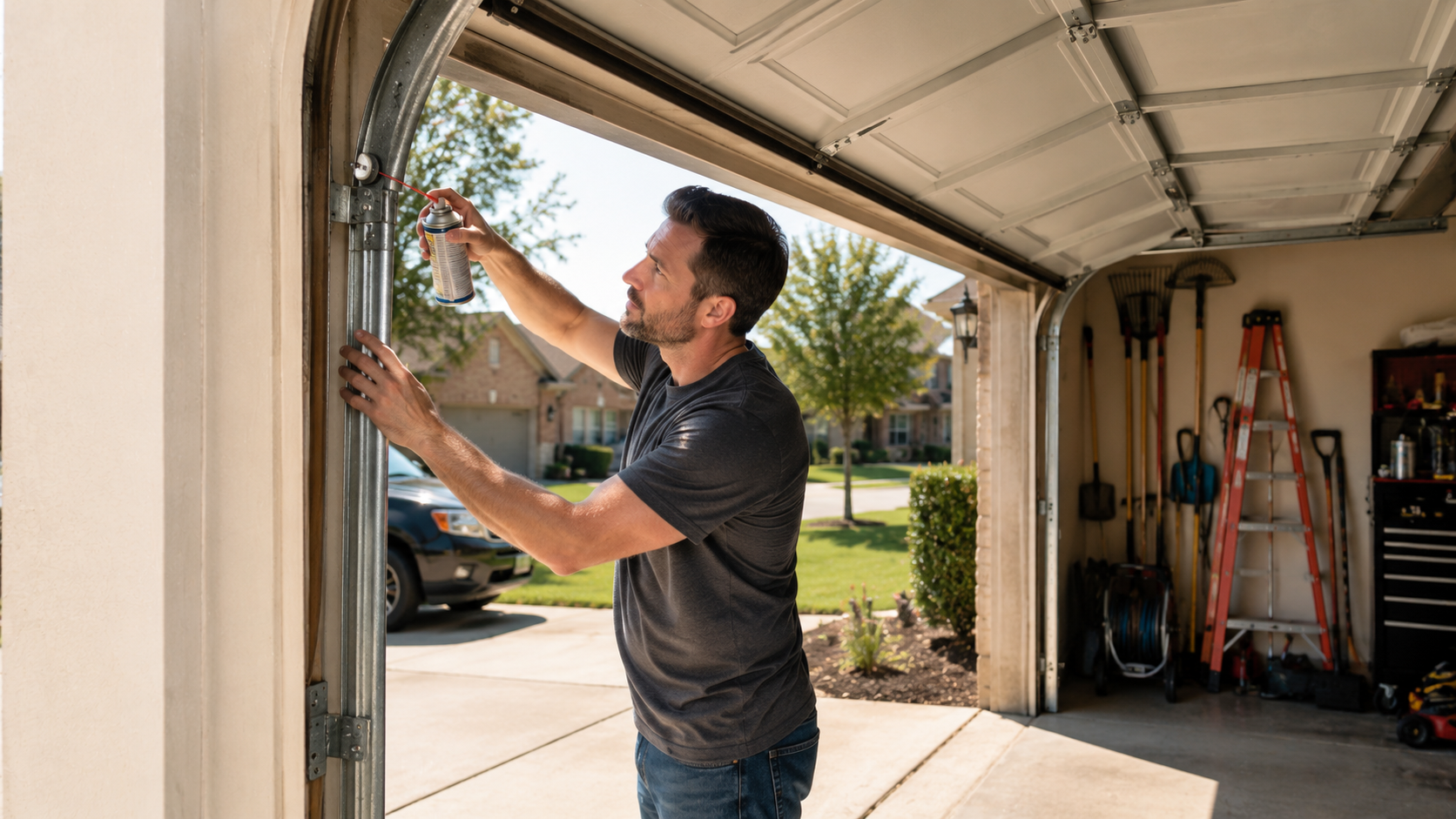
- Lubricating springs
- Inspecting for wear and tear
- Tightening loose hardware
Even then, you should avoid direct spring replacement unless you are trained.
Cost vs Risk: Is It Worth It?
One of the main reasons people attempt DIY garage door spring repair is to save money.
Average Costs
- Professional spring replacement: moderate cost
- DIY repair: lower upfront cost
However, consider the hidden costs:
- Medical bills from injuries
- Damage to your garage door system
- Additional repair costs if something goes wrong
When you compare these factors, the garage spring replacement cost of hiring a professional often becomes the safer and smarter choice.
Safety Tips If You Still Attempt DIY Repair
If you still decide to proceed, follow these essential garage door spring repair safety tips:
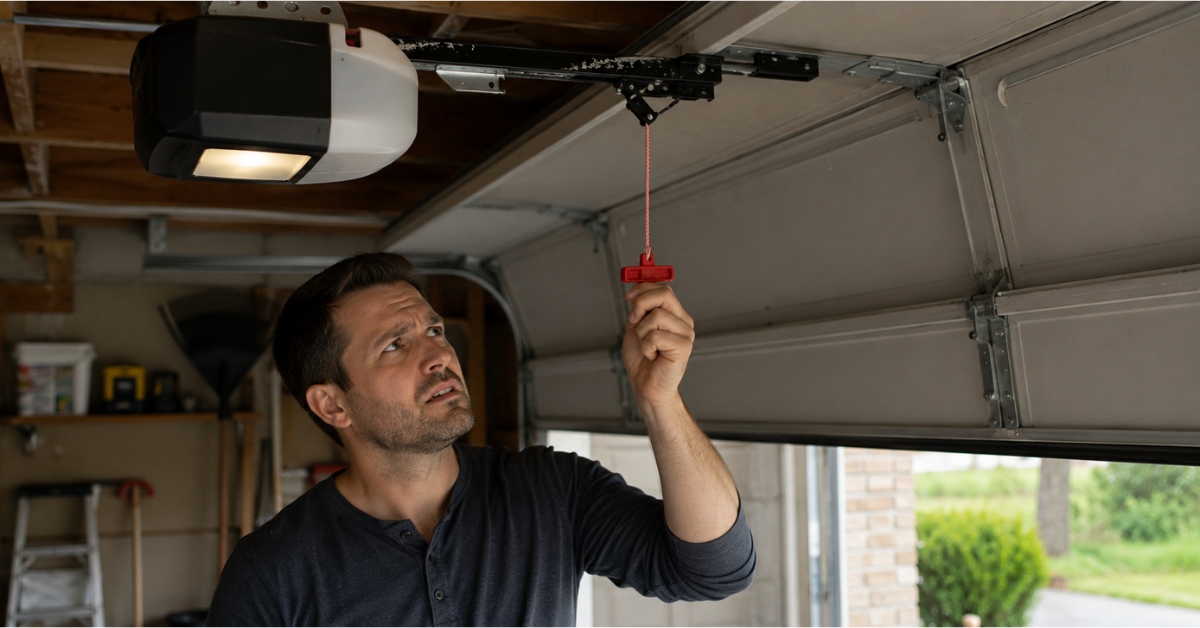
- Always disconnect the garage door opener
- Use proper winding bars (never substitutes)
- Wear safety gloves and eye protection
- Work slowly and avoid rushing
- Keep others away from the area
Even with these precautions, the risks remain significant.
Why Professionals Are the Better Choice
Hiring a professional technician offers several advantages:
- Expertise and Experience: Professionals understand how to handle high-tension springs safely.
- Proper Tools: They use specialized equipment designed for this exact job.
- Time Efficiency: What may take you hours (or days) can be completed quickly.
- Warranty and Reliability: Most professionals provide guarantees on their work.
Ultimately, choosing a professional reduces both risk and stress.
Conclusion:
So, is DIY garage door spring repair safe or too risky? For most homeowners, the answer is clear: it is too risky.
While the idea of saving money is appealing, the potential dangers far outweigh the benefits. Garage door springs operate under high tension, and even a small mistake can lead to serious injury or costly damage.
Instead, focus on regular maintenance and leave complex repairs to trained professionals. This approach ensures your garage door remains safe, functional, and reliable.
FAQs
Q1. Can I replace a garage door spring myself?
A: Technically, yes. However, it is not recommended unless you have proper training and tools due to the high risk involved.
Q2. How dangerous is garage door spring repair?
A: It can be very dangerous. Springs are under extreme tension and can cause serious injuries if mishandled.
Q3. What is the cost of professional garage spring replacement?
A: The cost varies but is generally affordable compared to the risks and potential damage of DIY repair.
Q4. How do I know if my garage door spring is broken?
A: Common signs include a loud snapping sound, difficulty lifting the door, or the door not opening at all.
Q5. Are torsion springs more dangerous than extension springs?
A: Yes, torsion springs are typically more dangerous due to the higher tension they hold.
You might also like
Fix N Go Blog