How Long Do Garage Doors Last in Texas Weather?
Texas does not go easy on anything built outside — and your garage door is no exception. Between triple-digit summers, Gulf Coast humidity, sudden hailstorms, and temperature swings that can drop 40 degrees overnight, the climate here puts mechanical and material stress on garage doors that homeowners in milder states simply never experience. So how long do garage doors actually last in Texas weather? The honest answer depends on what your door is made of, how well it is maintained, and which part of Texas you call home.
The National Average Means Nothing in Texas
Manufacturers and home improvement guides love to cite the same number: garage doors last 15 to 30 years. That range assumes temperate conditions, average humidity, and moderate seasonal variation. Texas delivers none of those things.
In practice, Texas homeowners frequently see significant component wear — springs, seals, panels, and finishes — well before the national average suggests they should. That is not a quality problem. It is a climate problem. Understanding what Texas weather specifically does to each part of your door is the first step toward getting the most life out of it.
What Texas Heat Does to Your Garage Door
Summer in Texas is not just hot — it is sustained, relentless, and punishing to materials that expand and contract with temperature. Daytime temperatures routinely exceed 100°F for weeks at a stretch, and a south or west-facing garage door absorbs direct sun exposure that pushes surface temperatures even higher.
Metal Components Expand and Fatigue
Steel and aluminum expand in heat. Every summer cycle puts mechanical stress on your door's tracks, springs, hinges, and panels. Over years, this repeated expansion and contraction fatigues metal components faster than standard wear ratings account for. Springs rated for 10,000 cycles in a testing environment may reach the end of their functional life noticeably earlier under Texas thermal stress.
Lubrication Burns Off Faster
Standard garage door lubricants thin out and evaporate faster in extreme heat. A door that gets lubricated in spring may be running dry — and generating friction — by August. That friction accelerates wear on rollers, hinges, and tracks throughout the hottest months of the year.
Opener Motors Run Hotter
Garage interiors in Texas summers regularly hit 120–130°F. Opener motors generate their own heat during operation and rely on ambient air to cool down between cycles. In a superheated garage, that cooling never happens efficiently. Opener motors in Texas simply work harder and wear faster than identical units installed in cooler climates.
Humidity, Coastal Air, and What They Do to Materials
South Texas and the Gulf Coast corridor — Houston, Corpus Christi, Beaumont — sit in some of the most persistently humid air in the country. That moisture attacks garage door materials in ways that heat alone does not.
Steel doors rust from the inside out when moisture penetrates scratches, chips, or unsealed edges. Wooden garage doors absorb humidity and expand — sometimes enough to bind against the frame or warp panels out of alignment. Even fiberglass doors, which resist moisture better than steel or wood, can degrade at seals and joints under prolonged coastal humidity exposure.
If you live within 50 miles of the Gulf Coast, expect to fight corrosion and weatherstripping degradation as a routine maintenance reality — not an occasional inconvenience.
Hail, Wind, and Storm Damage — The Texas Wild Card
No discussion of Texas garage door lifespan is complete without addressing severe weather. The state sits in one of the most active hail corridors in North America. A single hailstorm can dent steel panels, crack wooden sections, shatter windows, and compromise the structural integrity of the entire door in under ten minutes.
High winds — particularly in West Texas and along the Gulf Coast — create uplift pressure and lateral forces that stress hinges, brackets, and the door's overall frame. Doors not rated for high-wind conditions can buckle or detach from their tracks entirely in a severe storm.
This is why wind-rated garage doors are not a luxury upgrade in Texas. They are a practical investment that protects both the door and the home's structural envelope during the storms that hit here every single year.
Material Lifespan Comparison for Texas Conditions
Different door materials hold up differently under Texas-specific stress. Here is a realistic breakdown.
Steel doors are the most common choice in Texas and handle heat reasonably well when properly painted and sealed. However, they dent in hail and rust when coatings are compromised. Expect 15–20 years with proper maintenance in most Texas climates, shorter near the coast.
Wood doors offer beautiful aesthetics but demand the most maintenance in Texas conditions. Heat warps them, humidity swells them, and UV exposure fades and cracks their finish. Without regular sealing and painting, wood doors in Texas can show serious deterioration within 5–8 years.
Aluminum doors resist rust better than steel and work well in coastal environments. They dent more easily than steel in hail events and are not the strongest choice in high-wind zones. Lifespan in Texas: 15–20 years with maintenance.
Fiberglass and composite doors offer the best resistance to humidity and salt air, making them ideal for Gulf Coast homeowners. They do not rust, resist warping, and hold their finish longer than wood. In Texas coastal conditions, a quality fiberglass door realistically outlasts steel or wood by several years.
The Components That Fail First in Texas
Even a well-built door is only as reliable as its weakest component. In Texas conditions, these parts typically show wear first.
Weatherstripping and bottom seals crack, harden, and shrink under UV exposure and heat cycling. Most Texas homeowners need to replace these every 2–3 years to maintain a proper seal — far more frequently than the national average suggests.
Springs feel the combined effect of thermal fatigue and heavy use. In Texas where garages double as workshops, storage rooms, and pass-throughs, door cycles add up faster than average. Plan for spring inspection every 3–4 years and replacement at the first sign of tension loss.
Rollers degrade faster when lubrication burns off in summer heat. Nylon rollers typically last 5–7 years nationally — expect closer to 4–5 in high-heat Texas environments without consistent lubrication maintenance.
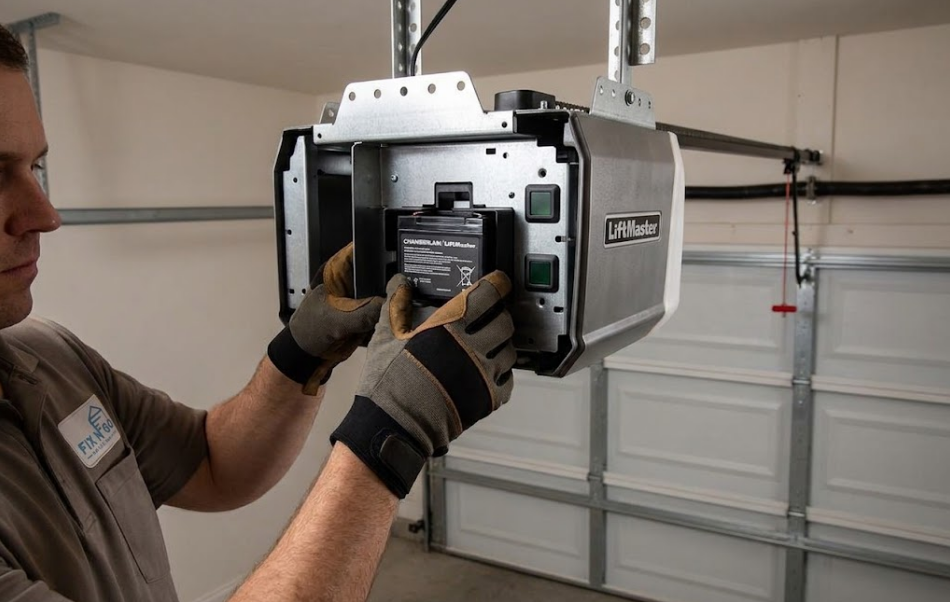
Opener motors work harder in superheated garages. A motor that might last 12–15 years in a temperate climate often shows performance decline at 8–10 years in Texas conditions.
How Fix-N-Go TX Helps Texas Homeowners Get More Life From Their Doors
Texas weather is not going anywhere — but the wear it causes is manageable with the right maintenance and repair approach. At Fix-N-Go TX, the technicians understand exactly what the local climate does to every component of a garage door system. From replacing weatherstripping and lubricating heat-stressed components to spring replacement, panel repair after hail damage, and full opener upgrades for overworked motors, Fix-N-Go TX provides the Texas-specific care that extends your door's functional life well beyond what neglect and climate alone would allow. Regular tune-ups — especially before and after summer — catch the wear patterns that Texas weather accelerates before they become full failures. Visit fixngotx.net to schedule your inspection or repair and keep your garage door working through whatever the Texas sky throws at it next.
Practical Steps to Extend Your Garage Door's Life in Texas
You cannot control the weather. You can control how well you maintain against it.
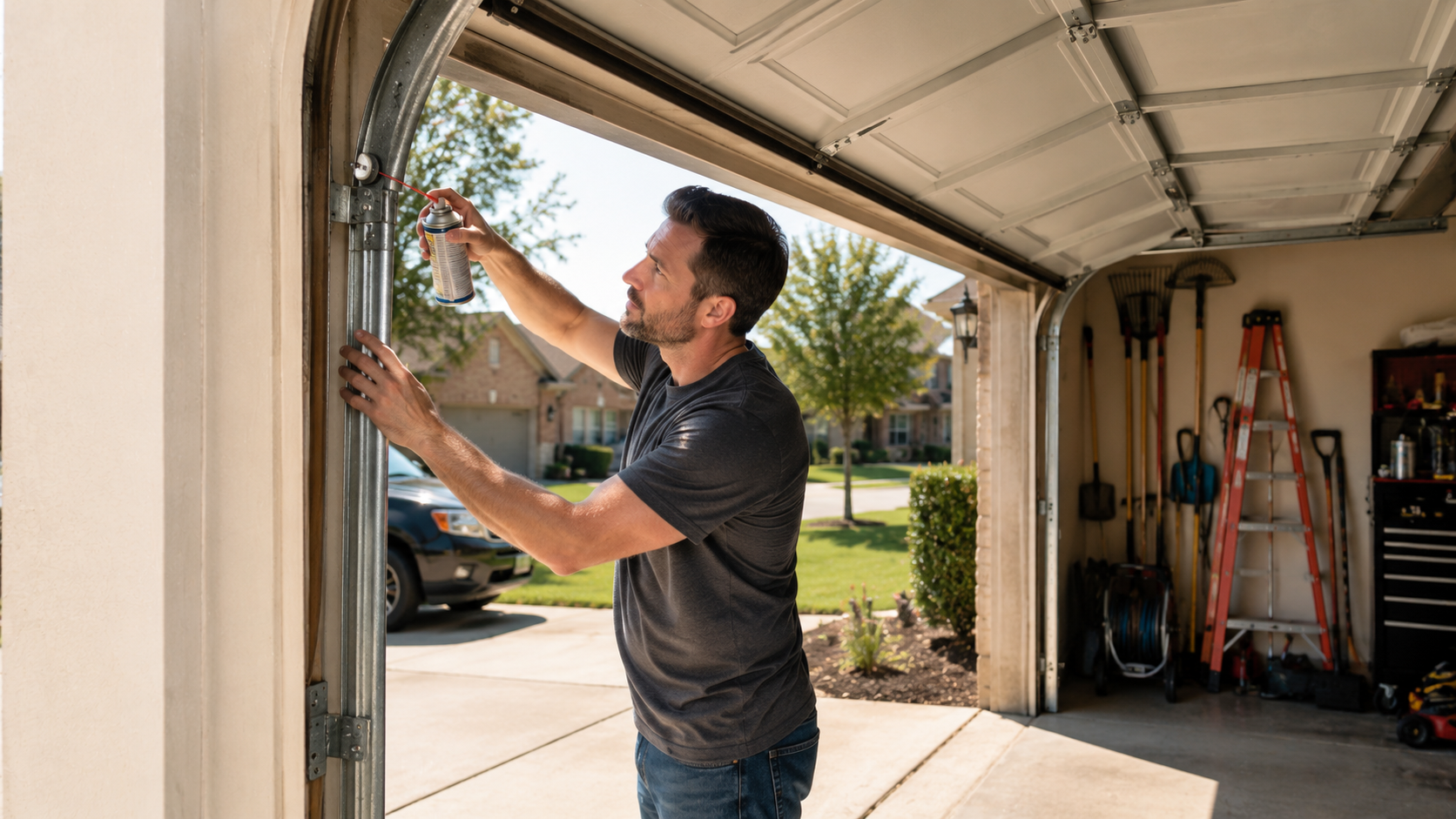
Lubricate every moving part every four months — not six. Texas heat burns through lubricant faster than standard maintenance schedules account for. Silicone spray on rollers, hinges, springs, and tracks three times per year keeps friction low through every season.
Inspect and replace weatherstripping annually. Hold a flashlight along the door edges at night. If you see light, your seal is compromised. Cracked or hardened weatherstripping lets in heat, humidity, and pests — replace it before it fails completely.
Repaint or reseal your door every 3–5 years. UV exposure and heat degrade protective coatings on steel and wood doors. A fresh coat of exterior paint or sealant is the cheapest way to prevent rust and warping from taking hold.
Schedule a professional tune-up before summer. Spring — before peak heat arrives — is the ideal time for a technician to check spring tension, test the opener motor, align tracks, and replace any components showing early wear. Catching problems in April costs far less than emergency repairs in August.
Frequently Asked Questions
Q: What is the biggest threat to garage doors in Texas specifically?
A: Sustained extreme heat is the primary accelerator of wear — it fatigues springs, burns off lubrication, and overworks opener motors faster than any other single climate factor in Texas.
Q: Do I need a wind-rated garage door in Texas?
A: If you live in a coastal area, tornado-prone region, or anywhere that sees regular severe weather, a wind-rated door is a practical necessity — not an optional upgrade.
Q: How often should I service my garage door in Texas?
A: Every six months at minimum — ideally in spring before summer heat peaks and in fall before winter temperature swings. Texas conditions warrant more frequent maintenance than national guidelines suggest.
Q: Can hail damage be repaired or does the whole door need replacing?
A: Minor dents in steel doors can sometimes be repaired. Significant panel damage, structural compromise, or widespread denting typically makes full panel or door replacement the more cost-effective solution.
Q: Which garage door material holds up best in Texas coastal humidity?
A: Fiberglass and composite doors resist moisture, salt air, and rust better than steel or wood — making them the strongest long-term investment for Gulf Coast homeowners.
Conclusion
Garage doors in Texas face a combination of heat, humidity, hail, and wind that no national average accounts for. Steel doors rust, wood doors warp, springs fatigue faster, lubricant burns off sooner, and opener motors work harder than they would anywhere with a gentler climate. The homeowners who get the most life from their garage doors in Texas are the ones who maintain more frequently, inspect more proactively, and choose materials matched to their specific region. When wear catches up — and in Texas, it will — Fix-N-Go TX is the team that knows this climate and knows these doors. Visit fixngotx.net to book a tune-up, repair, or full system inspection today.
You might also like
Fix N Go Blog