Why Garage Door Springs Break and How to Prevent It?
Garage door springs do a lot of heavy lifting—literally. Every time you open or close your garage door, these springs work behind the scenes to balance the weight and ensure smooth operation. However, like any mechanical component, they don’t last forever.
Many homeowners are caught off guard when a spring suddenly breaks. The door may stop working, become unsafe, or even slam shut unexpectedly. This raises an important question: why garage door springs break, and more importantly, how can you prevent it?
In this guide, we’ll explain the most common causes of spring failure and share practical tips to extend their lifespan and avoid costly repairs.
What Do Garage Door Springs Actually Do?
Before understanding why garage door springs break, it helps to know their role.
Garage door springs counterbalance the weight of the door, making it easy to open and close. Without them, your opener would struggle, and lifting the door manually would be extremely difficult.
There are two main types:
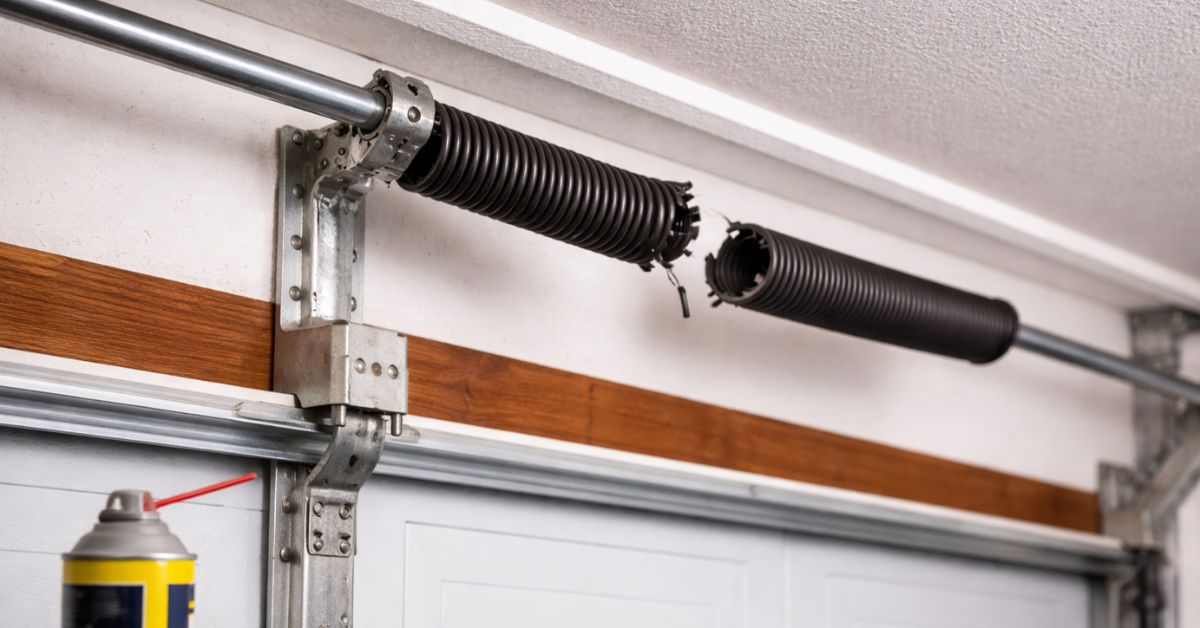
- Torsion springs (mounted above the door)
- Extension springs (located along the sides)
Both types are under high tension, which is why they eventually wear out.
DIY Garage Door Spring Repair: Is It Safe or Too Risky?
Why Garage Door Springs Break: Common Causes
1. Normal Wear and Tear
The most common reason garage door spring failure occurs is simple wear and tear. Springs are designed for a limited number of cycles. One cycle equals one full open and close. Most standard springs last around 10,000 cycles. If you use your garage door multiple times a day, those cycles add up quickly. Over time, the metal weakens and eventually breaks.
2. Rust and Corrosion
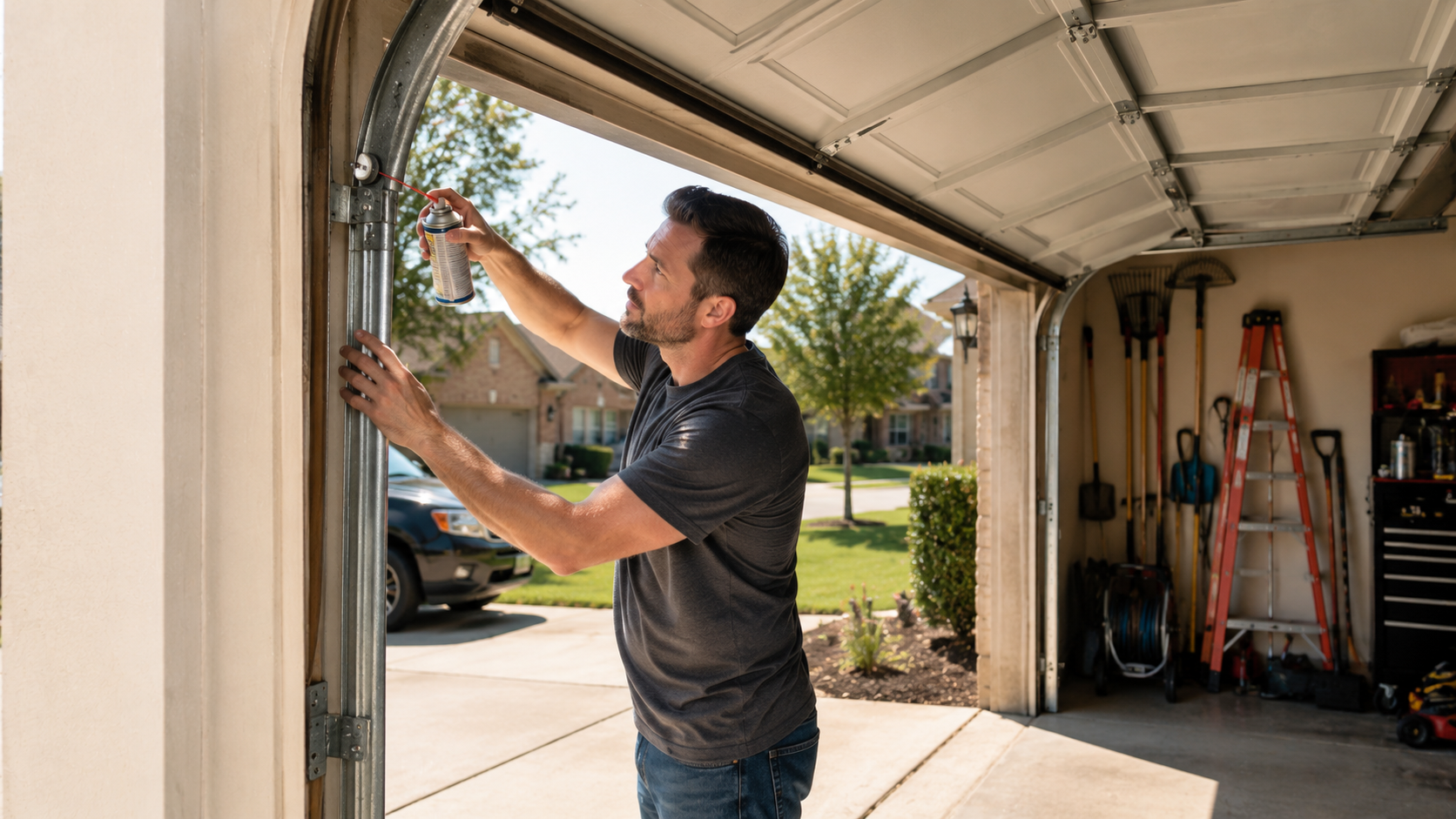
Rust is another major factor in why garage door springs break. When rust forms on the spring, it increases friction and reduces flexibility. This puts extra stress on the metal, making it more likely to snap. Regular lubrication can help prevent rust and extend the life of your springs.
3. Poor Maintenance
Lack of maintenance is one of the easiest problems to avoid. If you ignore your garage door system, small issues can turn into major failures. Proper garage door spring maintenance helps identify wear early and prevents sudden breakdowns.
4. Extreme Temperature Changes
Temperature fluctuations can weaken springs over time. Cold weather makes the metal contract, increasing tension. On the other hand, heat can expand the metal and reduce its strength. These constant changes contribute to garage door spring failure causes, especially in areas with extreme weather.
5. Improper Installation
Incorrect installation can shorten the lifespan of your springs. If the springs are not properly sized or installed, they may wear unevenly or fail prematurely. This is why professional installation is always recommended.
6. Using the Wrong Spring Type
Not all springs are the same. Using a spring that is not designed for your garage door’s weight can lead to faster wear and unexpected failure. This often results in the need for early broken garage door spring repair.
Warning Signs Before Springs Break
Springs rarely fail without warning. If you pay attention, you can spot early signs.
- The door feels heavier than usual
- The door opens unevenly
- You hear squeaking or grinding noises
- The opener struggles to lift the door
Recognizing these signs early can help you take action before a complete failure occurs.
How to Prevent Garage Door Spring Damage
Now that you understand why garage door springs break, let’s focus on prevention.
1. Regular Lubrication
Lubricating your springs reduces friction and prevents rust. Use a high-quality garage door lubricant every few months to keep the springs in good condition.
2. Schedule Routine Inspections
Regular inspections help identify issues before they become serious. A professional technician can check for wear, balance, and proper tension. This is one of the best ways to prevent garage door spring damage.
3. Replace Springs in Pairs
If one spring breaks, the other is likely close to failure. Replacing both springs at the same time ensures balance and reduces future problems.
4. Limit Excessive Use
While you can’t avoid using your garage door, being mindful of unnecessary use can extend the life of your springs.
5. Upgrade to High-Cycle Springs
If you use your garage door frequently, consider upgrading to high-cycle springs. These springs last longer and provide better value over time.
Top Signs Your Garage Door Spring Needs Repair Immediately
Why Professional Service Matters
When it comes to spring repair or replacement, professional service is essential. Springs are under high tension and can be dangerous if handled incorrectly. Attempting DIY repairs can lead to serious injuries or further damage. Experienced technicians, like those at Fix N’ Go, have the tools and expertise to handle repairs safely and efficiently. They can also recommend the right type of springs and ensure proper installation.
The Cost of Ignoring the Problem
Ignoring a worn or damaged spring can lead to bigger issues.
A broken spring can:
- Damage your garage door opener
- Cause the door to fall suddenly
- Lead to more expensive repairs
Addressing the issue early is always the better option.
Simple Maintenance Checklist
To keep your garage door springs in good condition, follow these basic steps:
- Lubricate springs regularly
- Inspect for rust or wear
- Test door balance occasionally
- Schedule annual professional maintenance
These small efforts can significantly reduce the risk of sudden failure.
How Long Does Garage Door Spring Repair Take? Full Guide
Conclusion
Understanding why garage door springs break is the first step toward preventing costly and inconvenient repairs. From normal wear and tear to rust and poor maintenance, several factors contribute to spring failure. The good news is that most of these issues can be prevented with simple care and regular inspections. By staying proactive and addressing problems early, you can extend the life of your springs and keep your garage door running smoothly.
If you ever notice warning signs or need expert help, contacting a trusted service like Fix N’ Go ensures safe, reliable, and efficient solutions.
FAQs
Q1. What causes garage door springs to break?
A: The most common causes include wear and tear, rust, poor maintenance, and temperature changes.
Q2. How long do garage door springs last?
A: Most springs last around 7–10 years or about 10,000 cycles, depending on usage.
Q3. Can I prevent garage door spring damage?
A: Yes, regular lubrication, inspections, and proper maintenance can extend their lifespan.
Q4. Should I replace both springs at once?
A: Yes, replacing both ensures balance and reduces the risk of future failure.
Q5. Is it safe to repair springs myself?
A: No, garage door springs are under high tension and should be handled by professionals.
You might also like
Fix N Go Blog